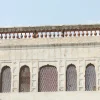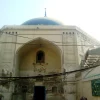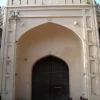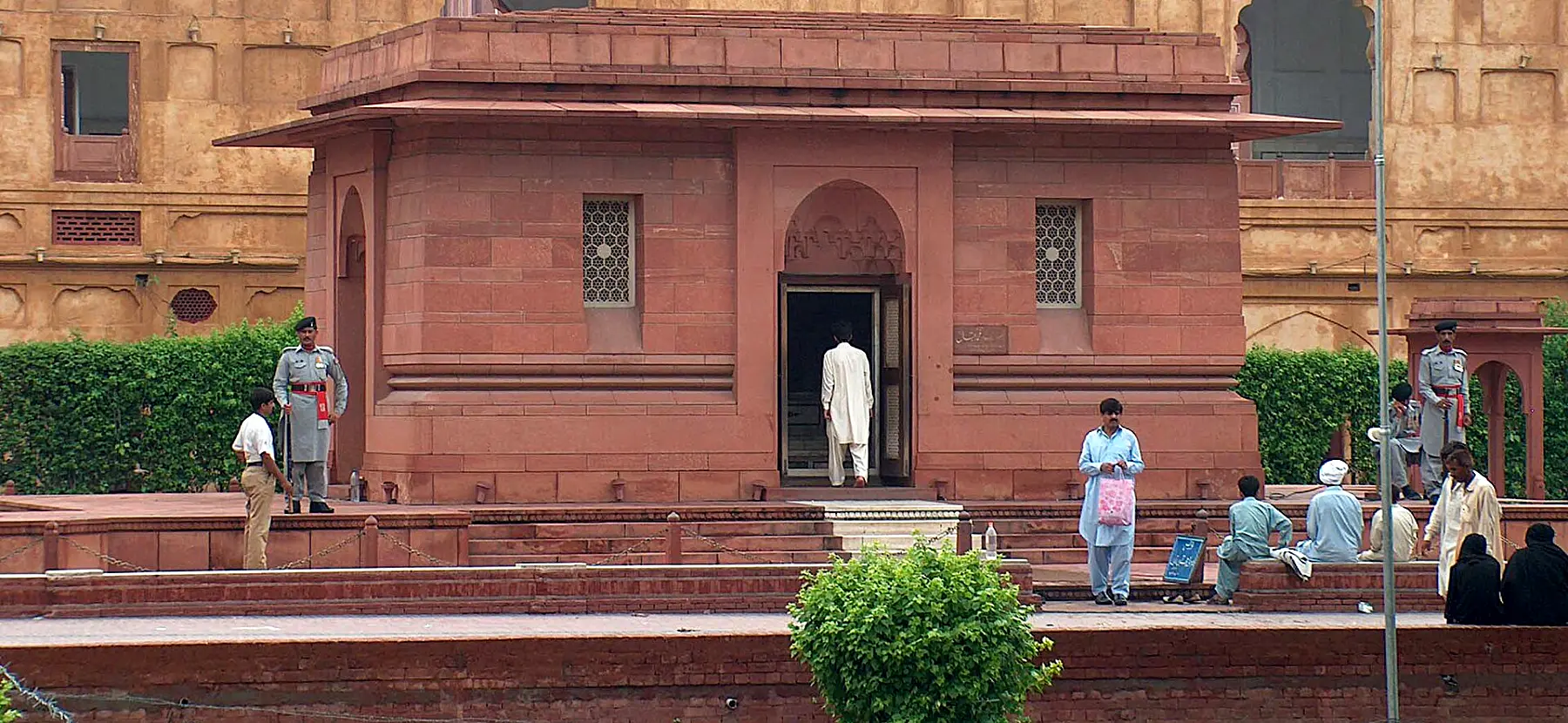
At the foot of the Badshahi Masjid steps, beside Hazuri Bagh, stands a small red sandstone building guarded day and night by soldiers in ceremonial uniform. This is the Tomb of Allama Iqbal, the resting place of the poet and thinker who first dreamed of a separate homeland for the Muslims of South Asia. It is small and simple, but for many Pakistanis it is one of the most meaningful places in Lahore.
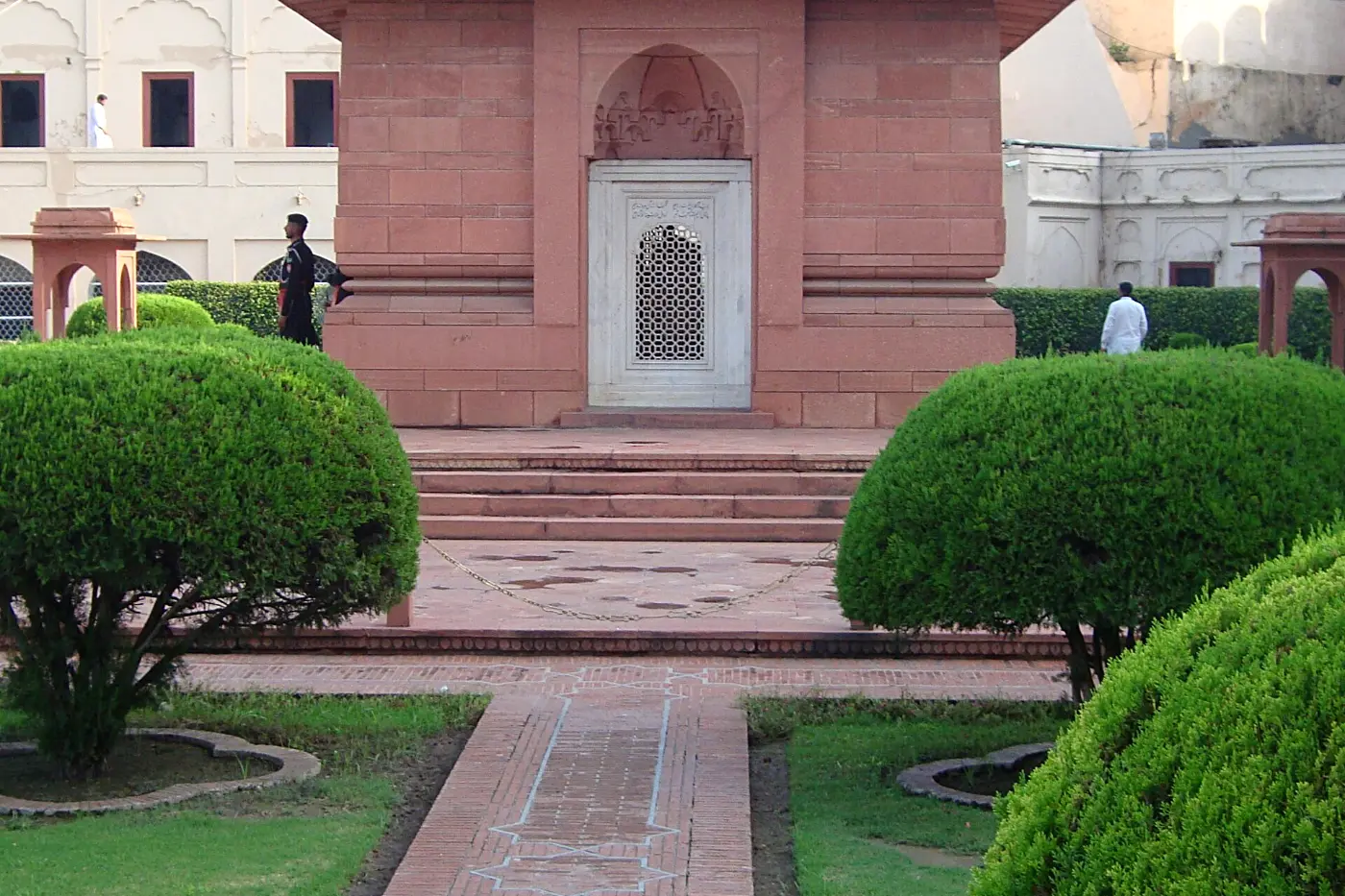
The tomb seen from the garden path. Photo Credit: Ibnazhar, CC BY-SA 3.0.
Quick facts
- Location: Hazuri Bagh, beside the Badshahi Masjid steps, Walled City
- Timings: Daily, daytime
- Ticket: Free
- Time needed: 20 to 30 minutes
- Best time: October to March; 9 November for the guard ceremony
- Map: Open in Google Maps
Last checked: November 2026. Full details in Visitor Information.
History of the Tomb
Allama Muhammad Iqbal was born in Sialkot on 9 November 1877 and died in Lahore on 21 April 1938. He was buried beside the Badshahi Masjid, and admirers soon began raising funds for a fitting tomb.
The design came from Nawab Zain Yar Jang, the chief architect of Hyderabad Deccan. Work took about thirteen years, partly because of the upheaval of 1947, and the tomb was completed in 1951 at a cost of around one hundred thousand rupees. It later appeared on Pakistan’s old one-rupee note.
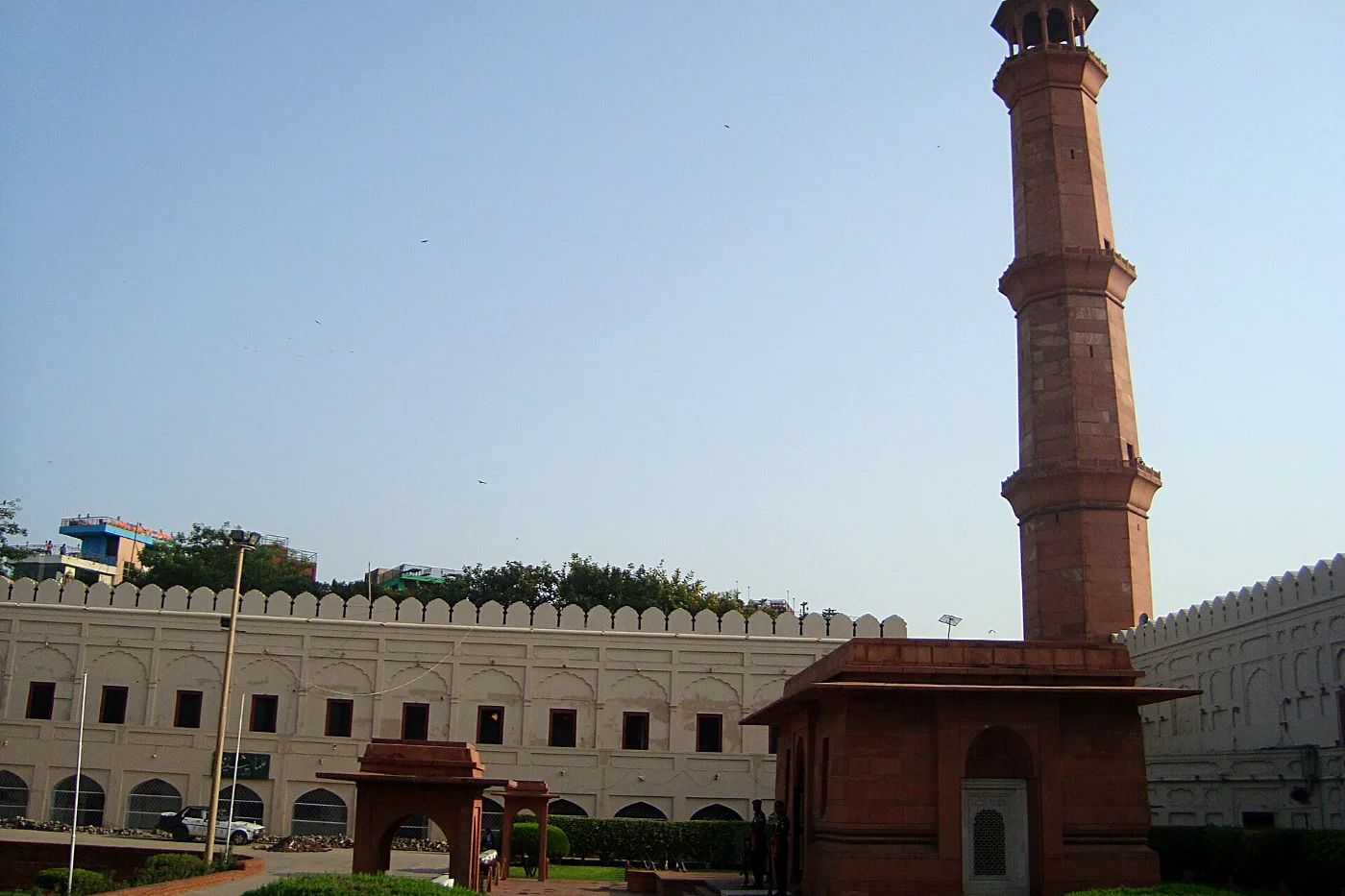
The tomb with a Badshahi Masjid minaret behind. Photo Credit: Ibnazhar, CC BY-SA 3.0.
What to See
Mughal Style, Modern Simplicity
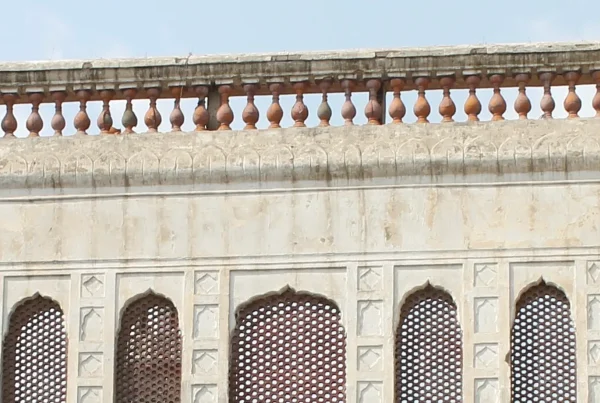
The tomb mixes Mughal and Afghan styles. Its outer walls are red sandstone, carved with delicate jali screens and floral panels, so it blends with the Badshahi Masjid gateway behind it. Inside, the single chamber is lined with white marble.
Inside the Tomb of Allama Iqbal
The marble walls are carved with verses from Iqbal’s own Persian poetry, and a lamp hangs from the carved ceiling above the grave. The room is small, so visitors usually pause for a quiet moment, offer Fateha and move on.
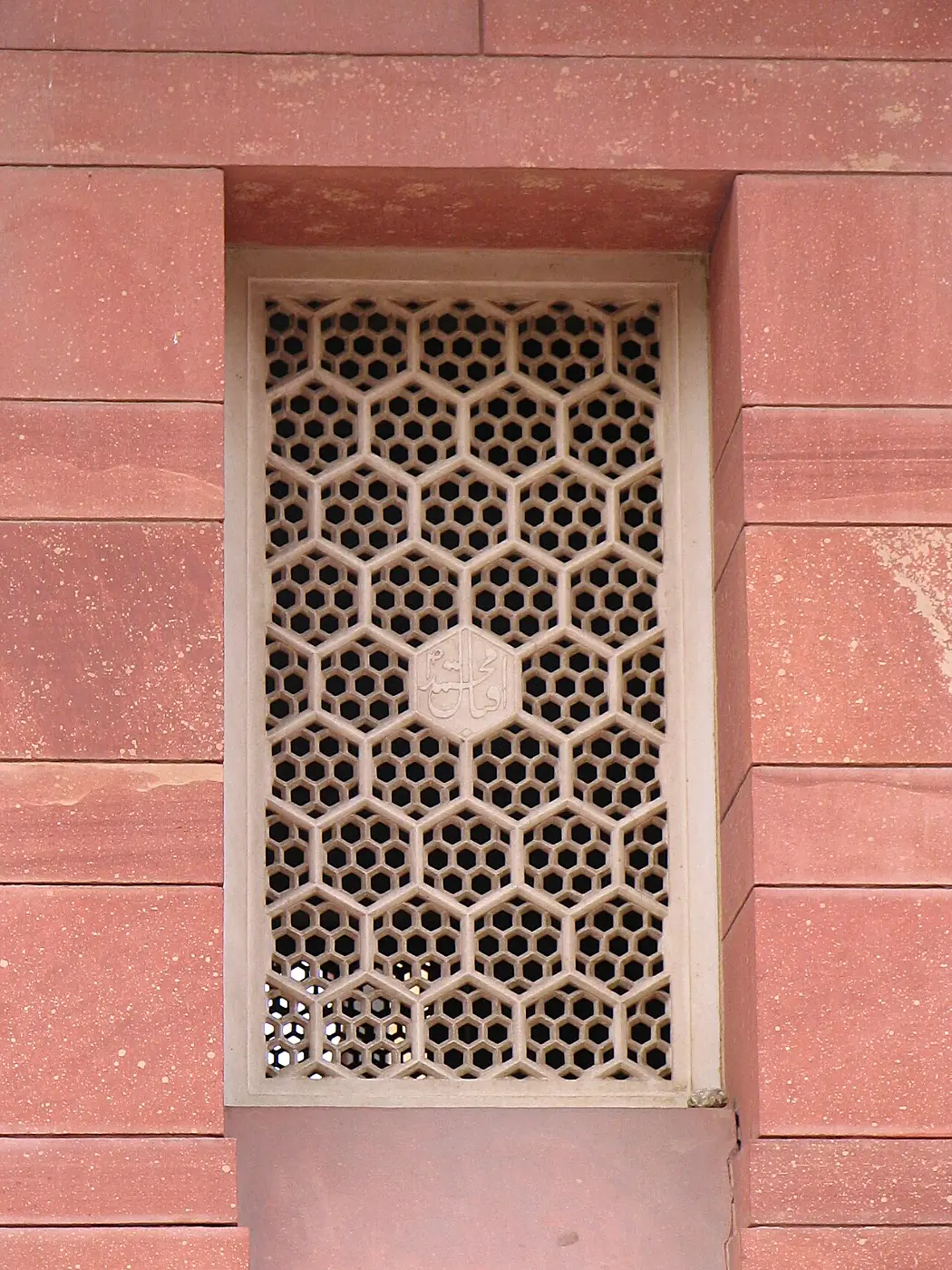
A carved stone jali window. Photo Credit: Unknown photographer.
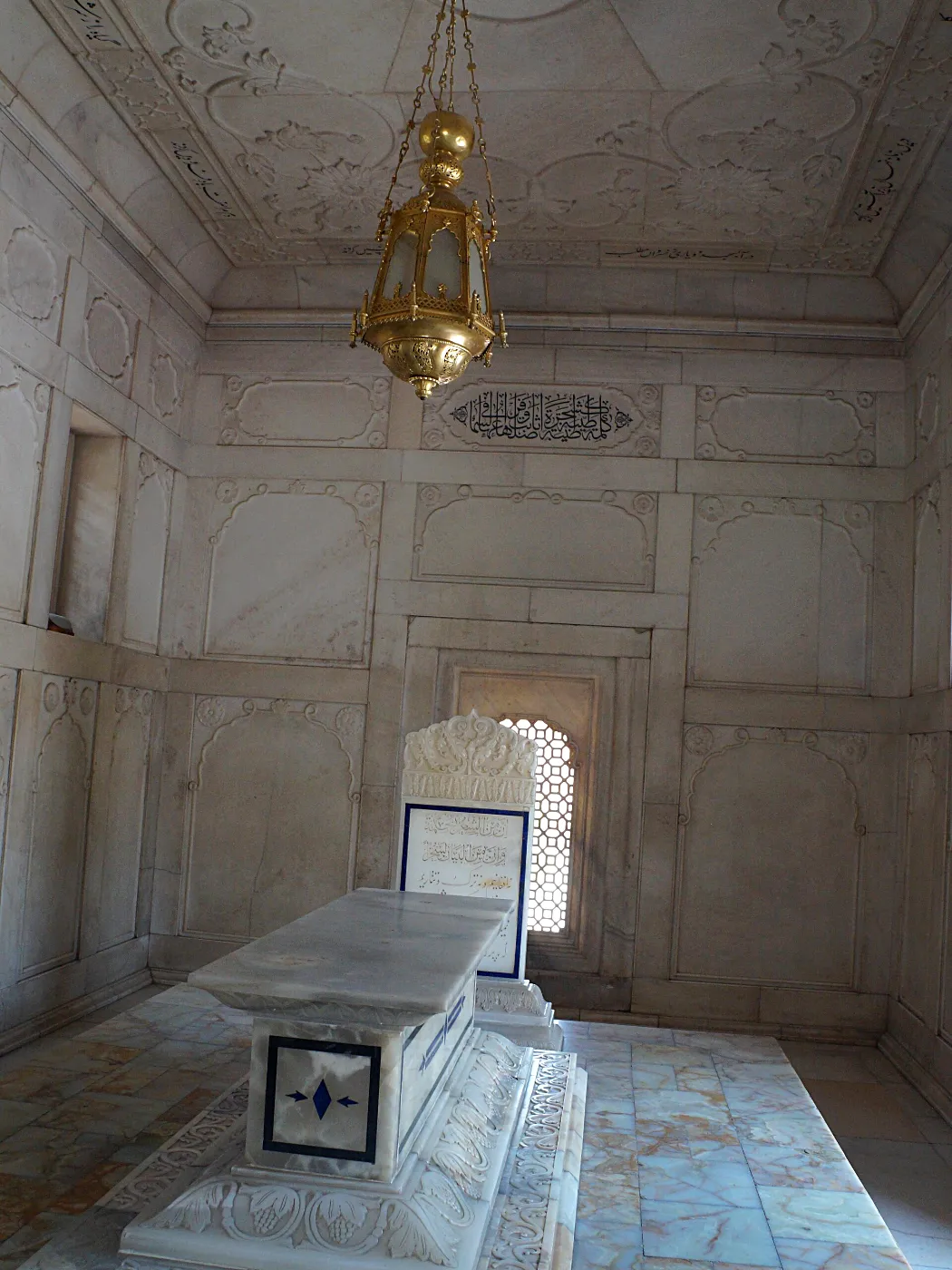
The marble chamber. Photo Credit: Marium adil, CC BY-SA 3.0.
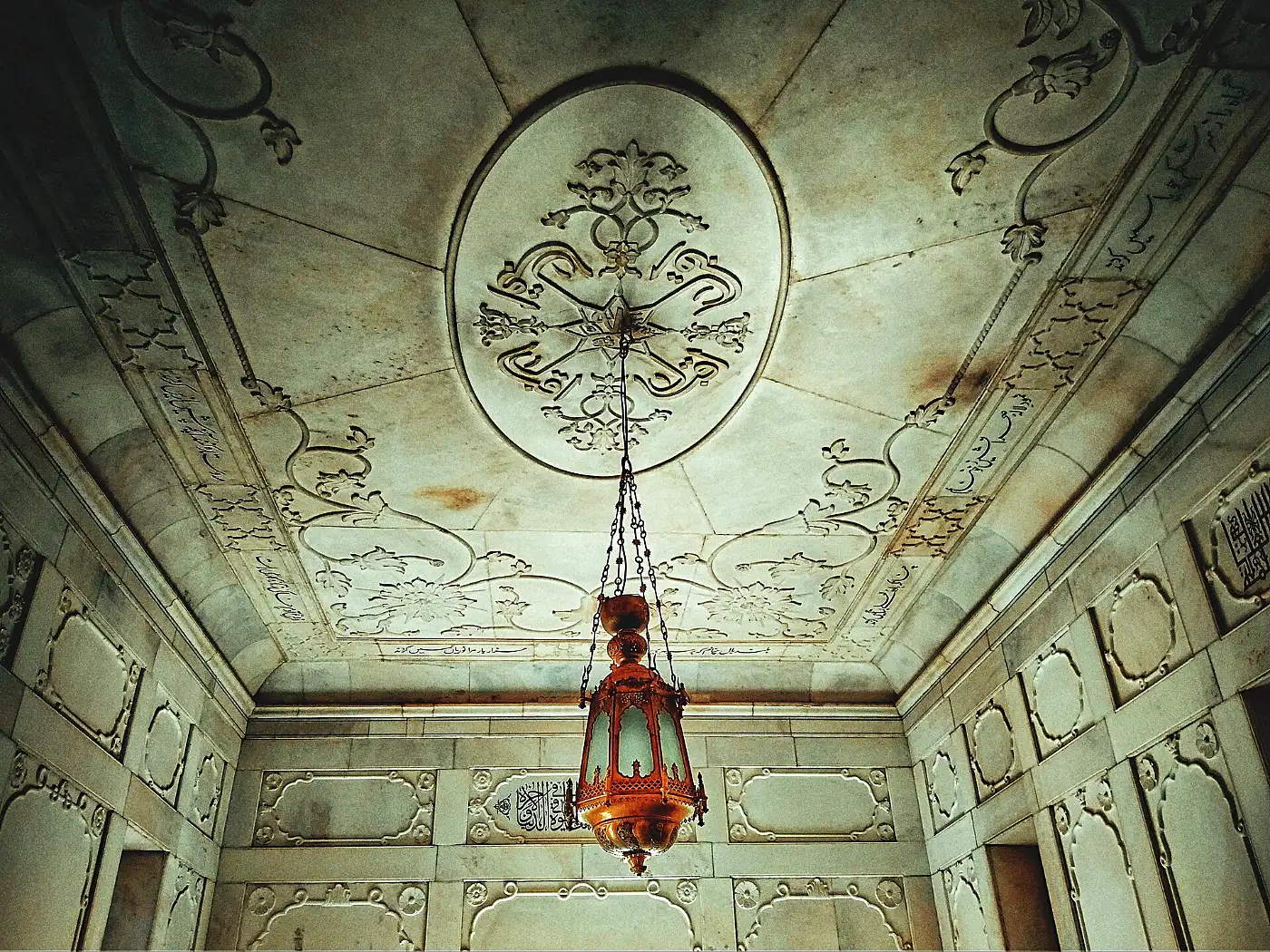
The carved ceiling and lamp. Photo Credit: Huzaifa Saleh Qureshi, CC BY-SA 4.0.
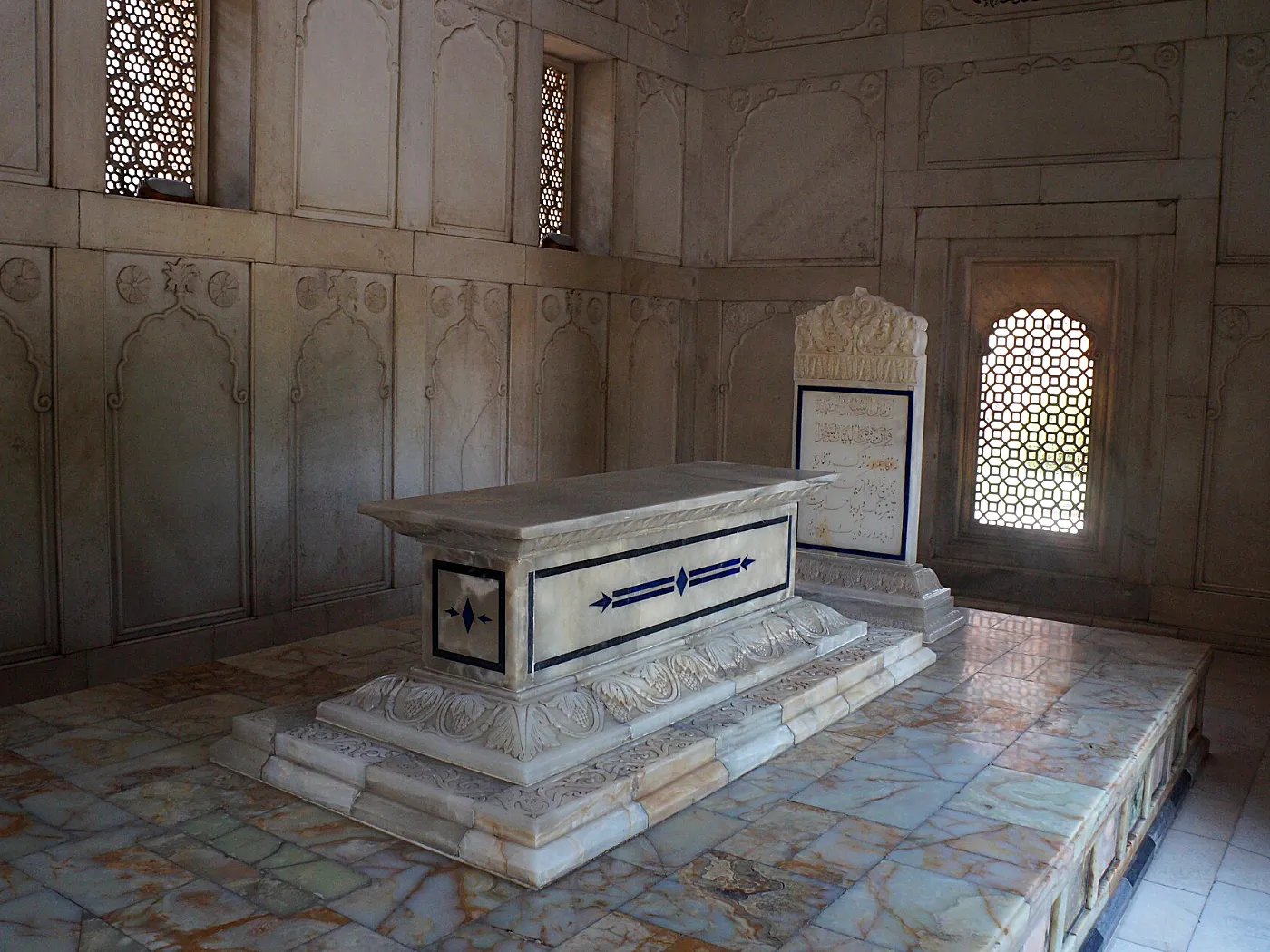
The grave of Allama Iqbal. Photo Credit: Marium adil, CC BY-SA 3.0.
The Guard of Honour
Soldiers from the armed forces stand guard at the tomb in turns. On national occasions, especially Iqbal’s birthday on 9 November and Pakistan Day on 23 March, a formal change-of-guard ceremony is held, often watched by crowds. In November 2025, for example, the Pakistan Navy took over the guard from the Pakistan Rangers.
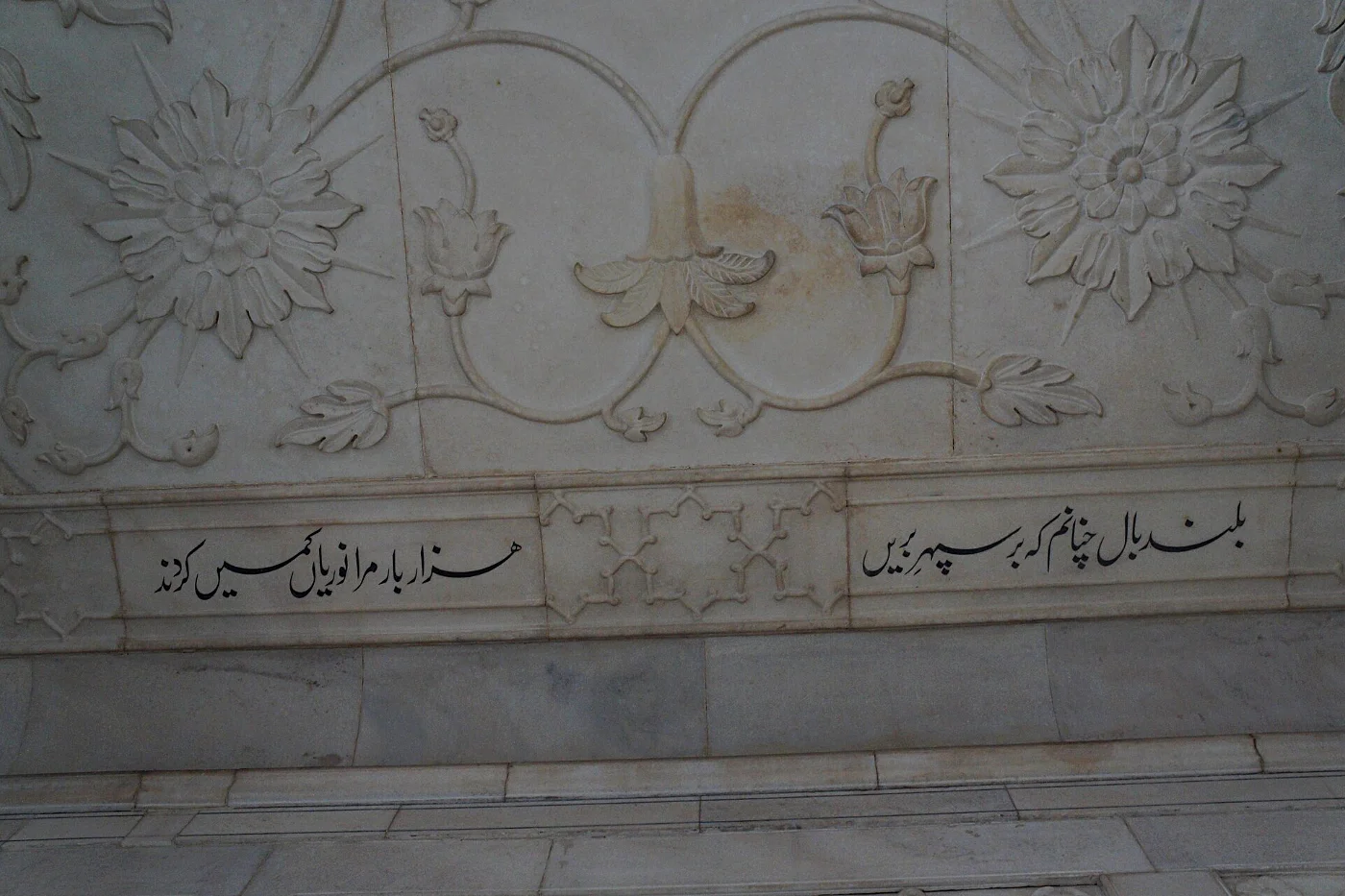
Inscribed marble walls inside. Photo Credit: Marium adil, CC BY-SA 3.0.
Things to Do
- Pay your respects: Offer Fateha quietly inside the chamber.
- Watch the guard: On 9 November and 23 March, come early for the change-of-guard ceremony.
- Read his poetry: Look for the Persian verses carved on the walls, or carry a copy of Bang-e-Dra.
- Combine with: The Badshahi Masjid right behind, Hazuri Bagh and the Lahore Fort.
- Evening: The tomb and the mosque minarets look lovely when lit up after dark.
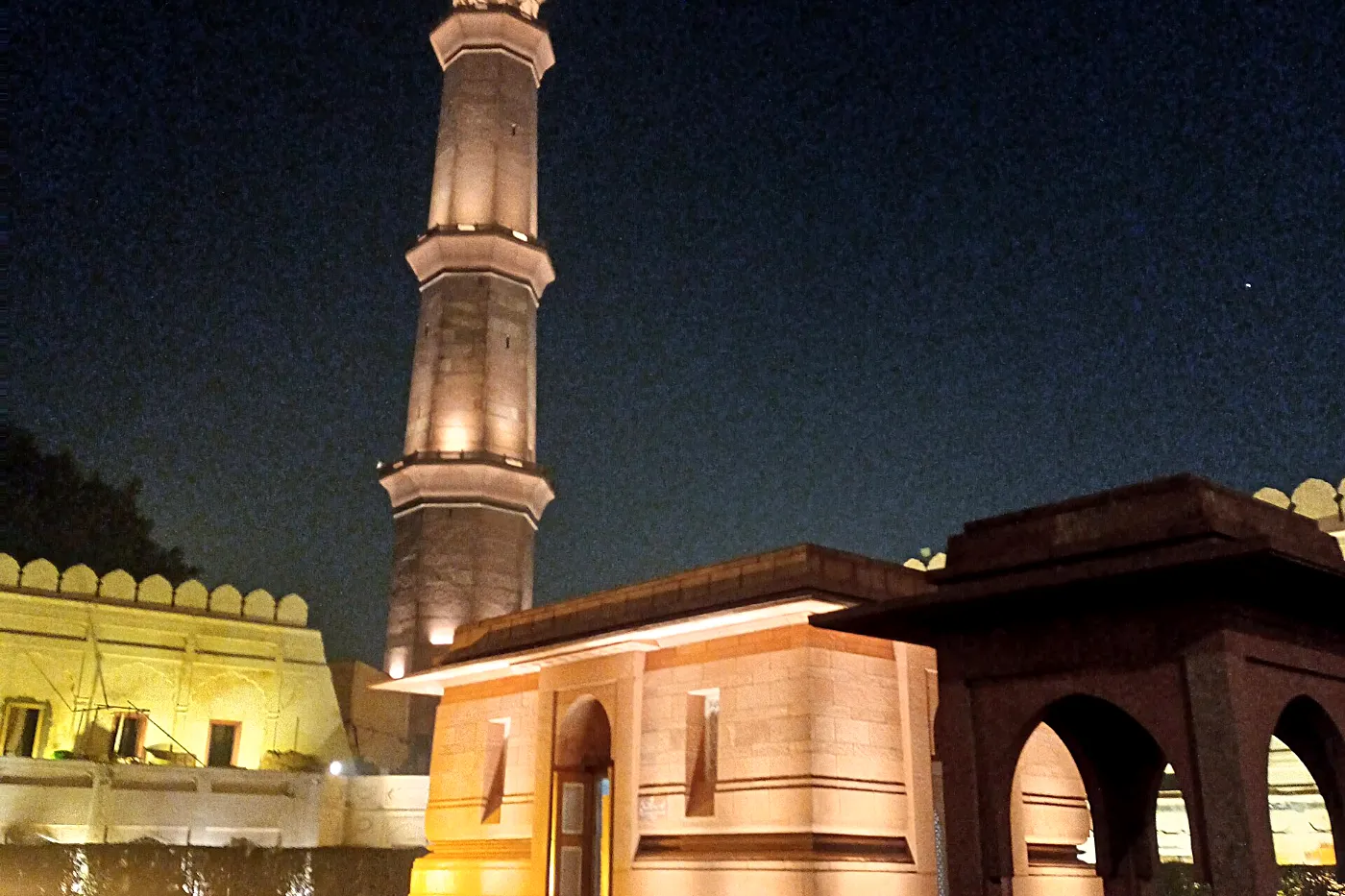
The tomb lit up in the evening. Photo Credit: AlidPedian, CC BY 4.0.
Food Nearby
Fort Road Food Street is a two-minute walk away. Its rooftop restaurants serve karahi, tikka, nihari and naan with views of the Badshahi Masjid, while small shops in the Walled City lanes sell halwa puri, lassi and chai. Small eateries cost around PKR 500 to 1,500 per person; rooftop restaurants cost more.
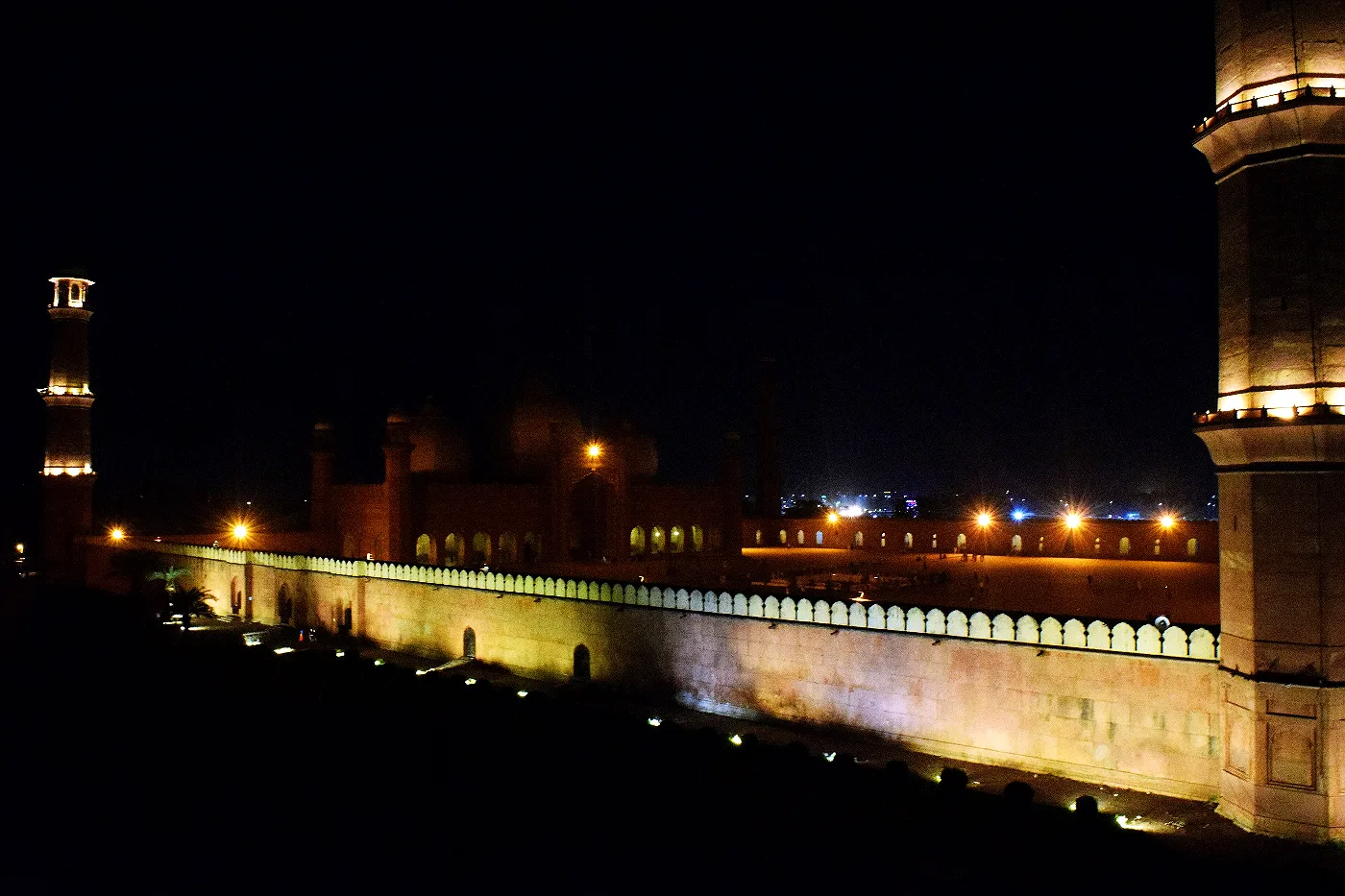
The Badshahi Masjid from Fort Road Food Street. Photo Credit: Khadijareyaz, CC BY-SA 4.0.
Visitor Information
Visiting the Tomb of Allama Iqbal
- Location: Hazuri Bagh, beside the steps of the Badshahi Masjid, Walled City, Lahore.
- Timings: Open daily during the day; it may close early on special occasions.
- Entry fee: Free.
- Dress and shoes: Dress modestly and remove your shoes before entering the chamber.
- Photography: Usually allowed outside; ask the guards before taking photos inside.
- Best time: October to March, in the morning or late afternoon.
- Time needed: 20 to 30 minutes, or half a day with the mosque and fort.
- Special days: 9 November (Iqbal Day), 21 April and 23 March are busy, with ceremonies and tight security.
- Accessibility: The tomb is on flat ground, with a step at the entrance.
Last checked: November 2026. Timings and prices can change, especially in Ramadan and on public holidays.
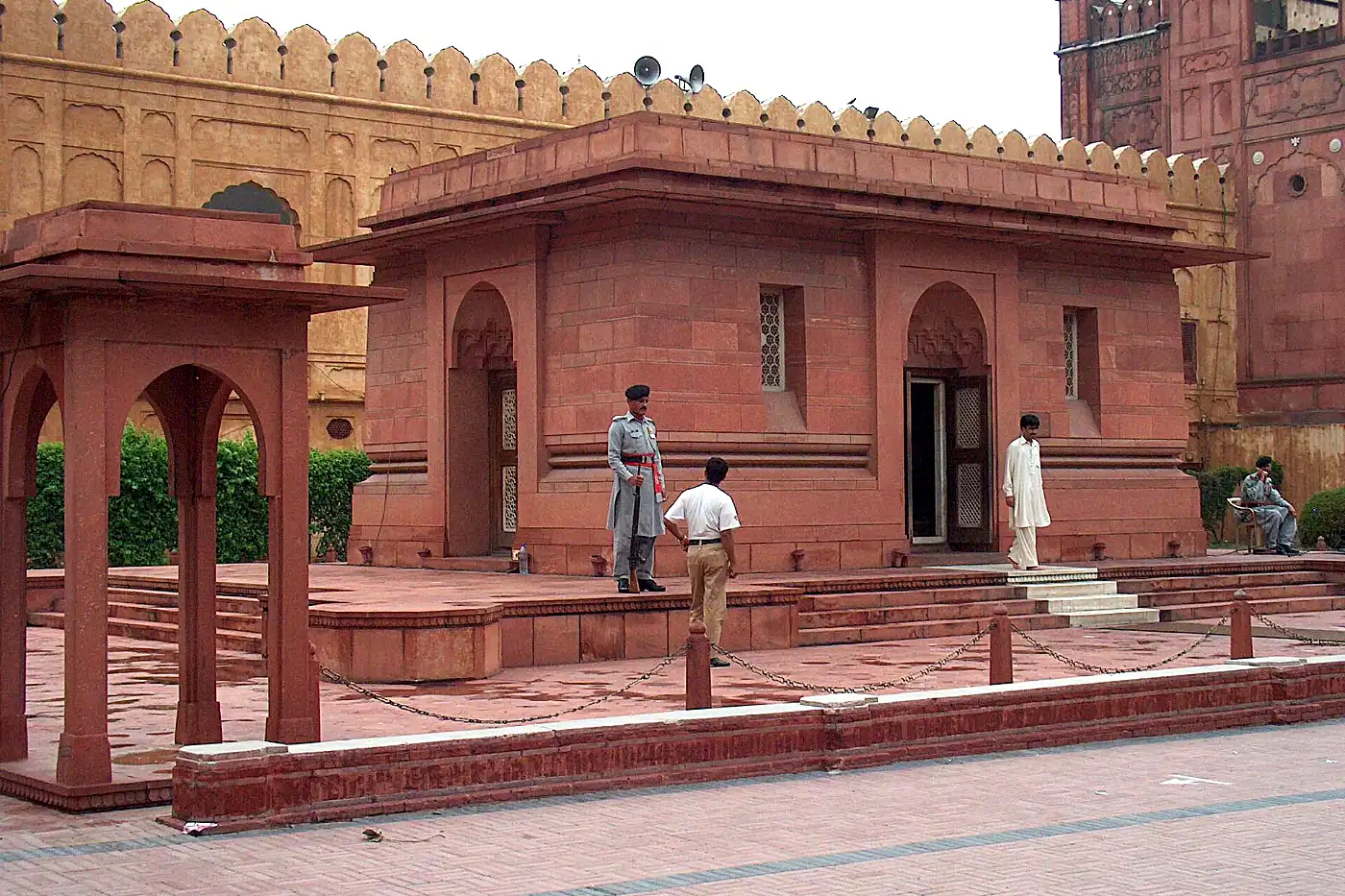
The red sandstone walls of the tomb. Photo Credit: Ali Imran, CC BY-SA 3.0.
How to Get There
The tomb is next to the Badshahi Masjid, at the northern edge of the Walled City. Take the Metro Bus to Azadi Chowk and walk about 10 to 15 minutes through Greater Iqbal Park, or ask a rickshaw, Careem or inDrive for the Badshahi Masjid on Fort Road. From Liberty or Gulberg the ride takes about 30 to 40 minutes.
Places to Visit Nearby
- Badshahi Masjid: the grand Mughal mosque right behind the tomb.
- Hazuri Bagh: the marble baradari garden in front.
- Lahore Fort: across Hazuri Bagh.
- Minar-e-Pakistan: the national monument in Greater Iqbal Park.
- Tomb of Hafeez Jalandhari: the anthem writer’s tomb in the same park.
Planning more days in the city? See our things to do in Lahore guide.
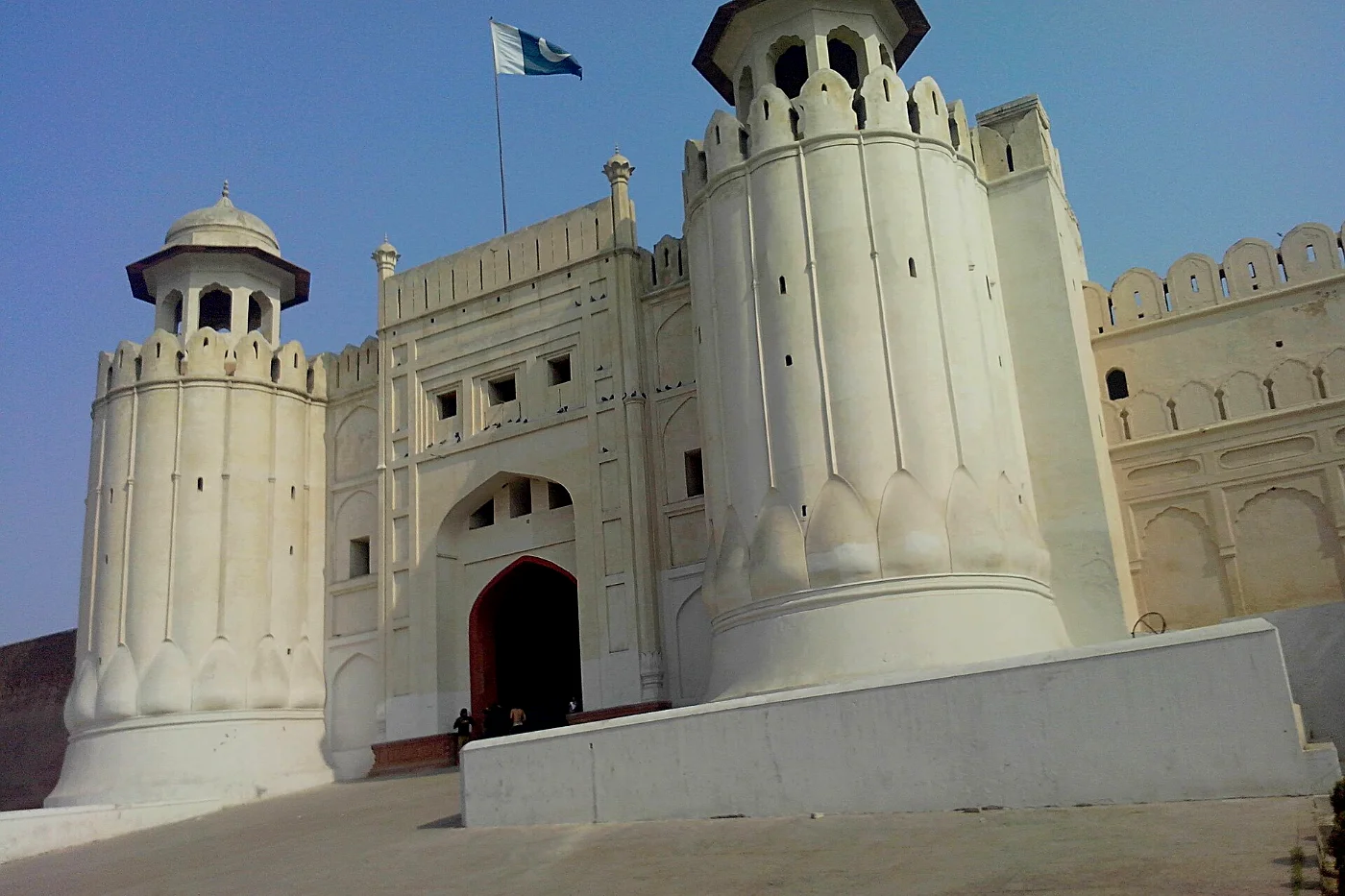
The Alamgiri Gate of Lahore Fort. Photo Credit: AhsanAli1994, CC BY-SA 4.0.
Frequently Asked Questions
Where is the Tomb of Allama Iqbal?
It is in Hazuri Bagh, beside the steps of the Badshahi Masjid in Lahore’s Walled City.
Is there an entry fee?
No, entry is free.
Who designed the Tomb of Allama Iqbal?
Nawab Zain Yar Jang, the chief architect of Hyderabad Deccan. It was completed in 1951.
When is the change of guard ceremony?
It is held on national occasions, most famously on Iqbal Day (9 November) and Pakistan Day (23 March).
Conclusion
The Tomb of Allama Iqbal takes only a few minutes to see, but it is worth the stop. Pause inside, read a line of his poetry on the marble, and then step out into the grand setting of the Badshahi Masjid and the Lahore Fort, the city he loved and where his dream first took shape.
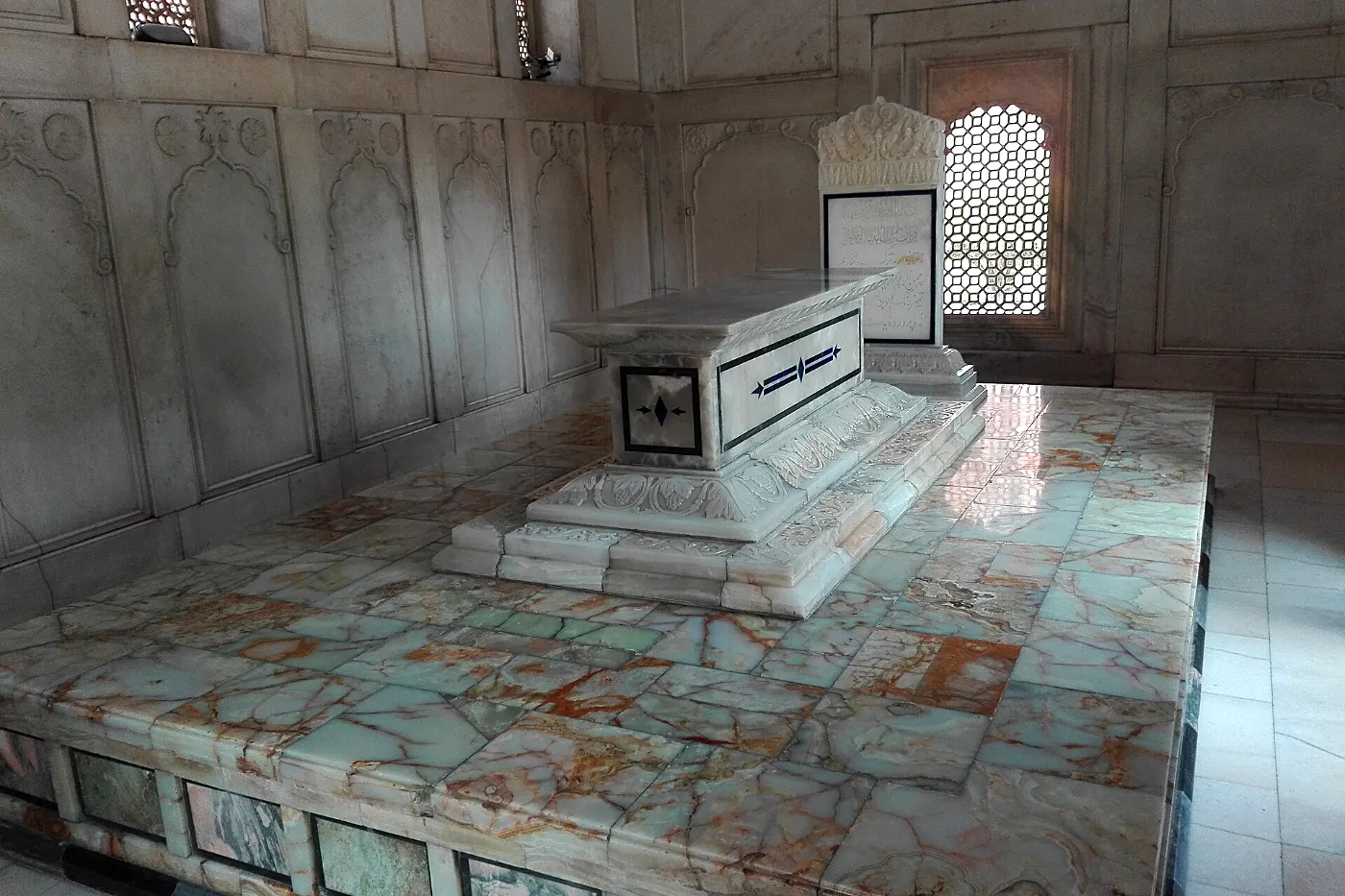
The marble interior of the tomb. Photo Credit: Hamzamahmood96, CC BY-SA 4.0.
Cover photo: Ali Imran, CC BY-SA 3.0.