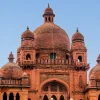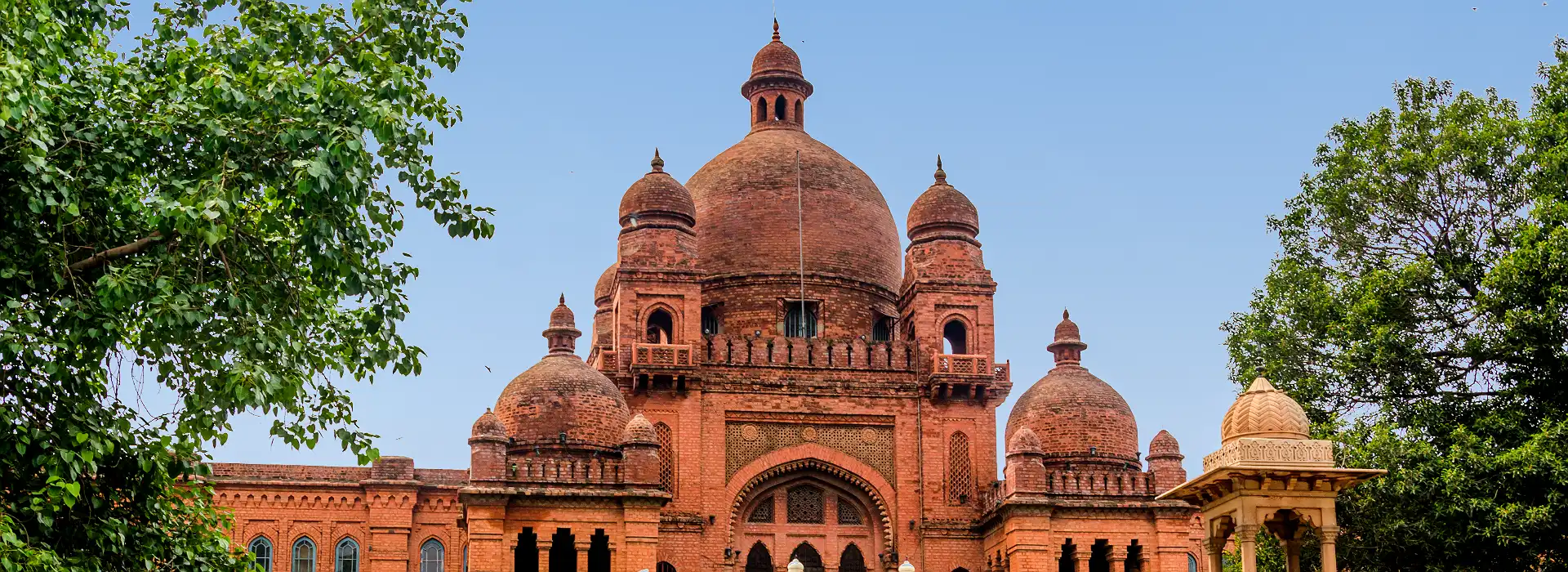
Walk down Mall Road and you simply cannot miss it. A big red-brick building, covered in domes, arches and little towers, sits right there, and an old bronze cannon stands in front of it. This is the Lahore Museum. In fact, Lahoris have called it Ajaib Ghar (the Wonder House) for more than a century.
The Lahore Museum is also the largest museum in Pakistan and one of the oldest in South Asia. Inside, you can travel from the Indus Valley to the Mughal court in a single afternoon. On top of that, it is home to the Fasting Buddha, one of the finest pieces of Gandhara art in the world. So, in this guide, we will first look at the museum’s history and its building. After that, we will walk you through the galleries and share everything you need to plan a visit.
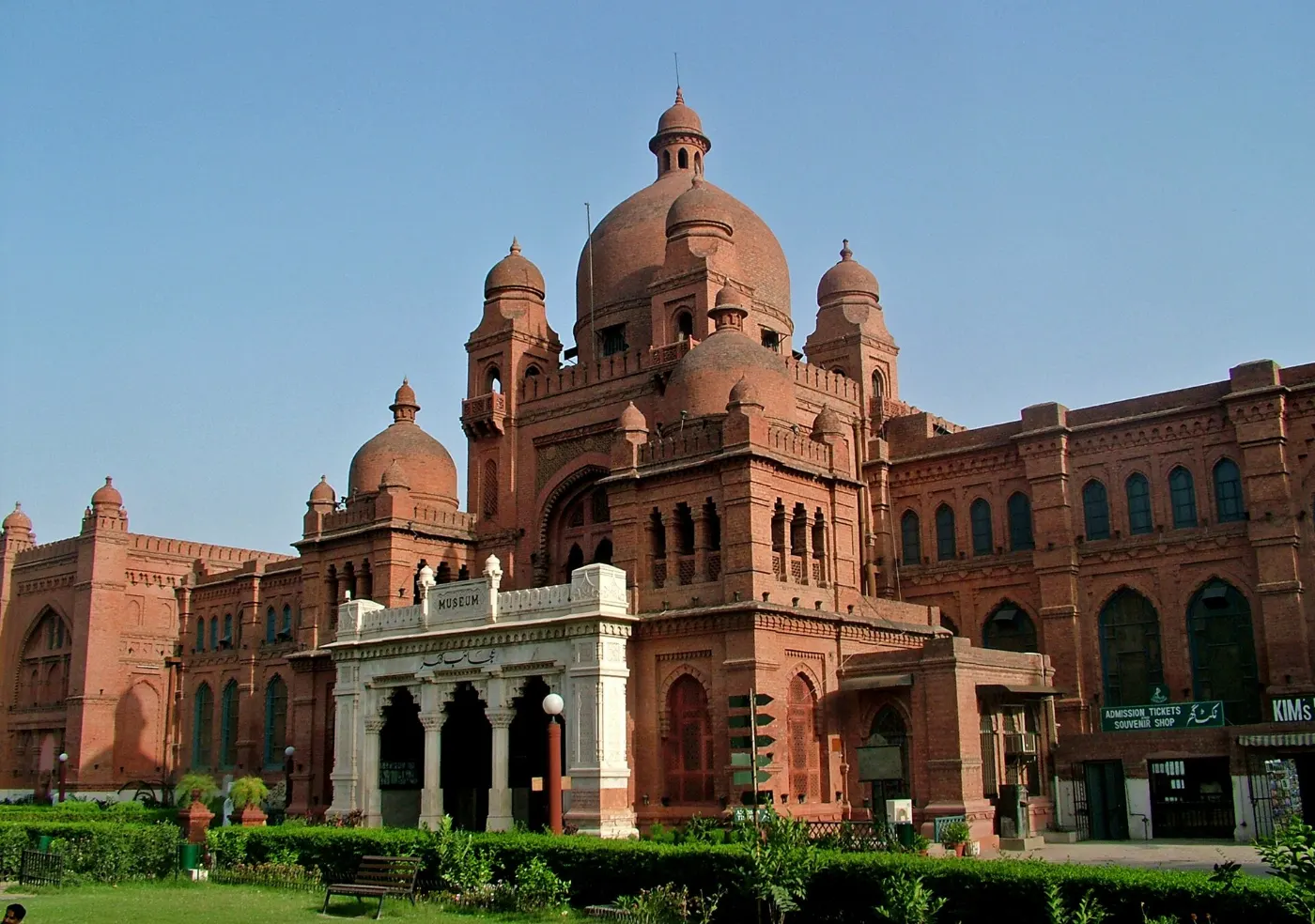
Photo Credit: Guilhem Vellut, CC BY 2.0, via Wikimedia Commons
History of the Lahore Museum
The museum’s story actually begins in 1865. That year, its collection first went on show in a hall built for the Punjab Exhibition of 1864. Today, that same hall still stands across the road as Tollinton Market.
The present building came later. It was built to mark Queen Victoria’s Golden Jubilee, and a public fund paid for it. Prince Albert Victor then laid the foundation stone on 3 February 1890. Finally, in 1894, the building was ready and the whole collection moved in. For a while, it was even called the Jubilee Museum.
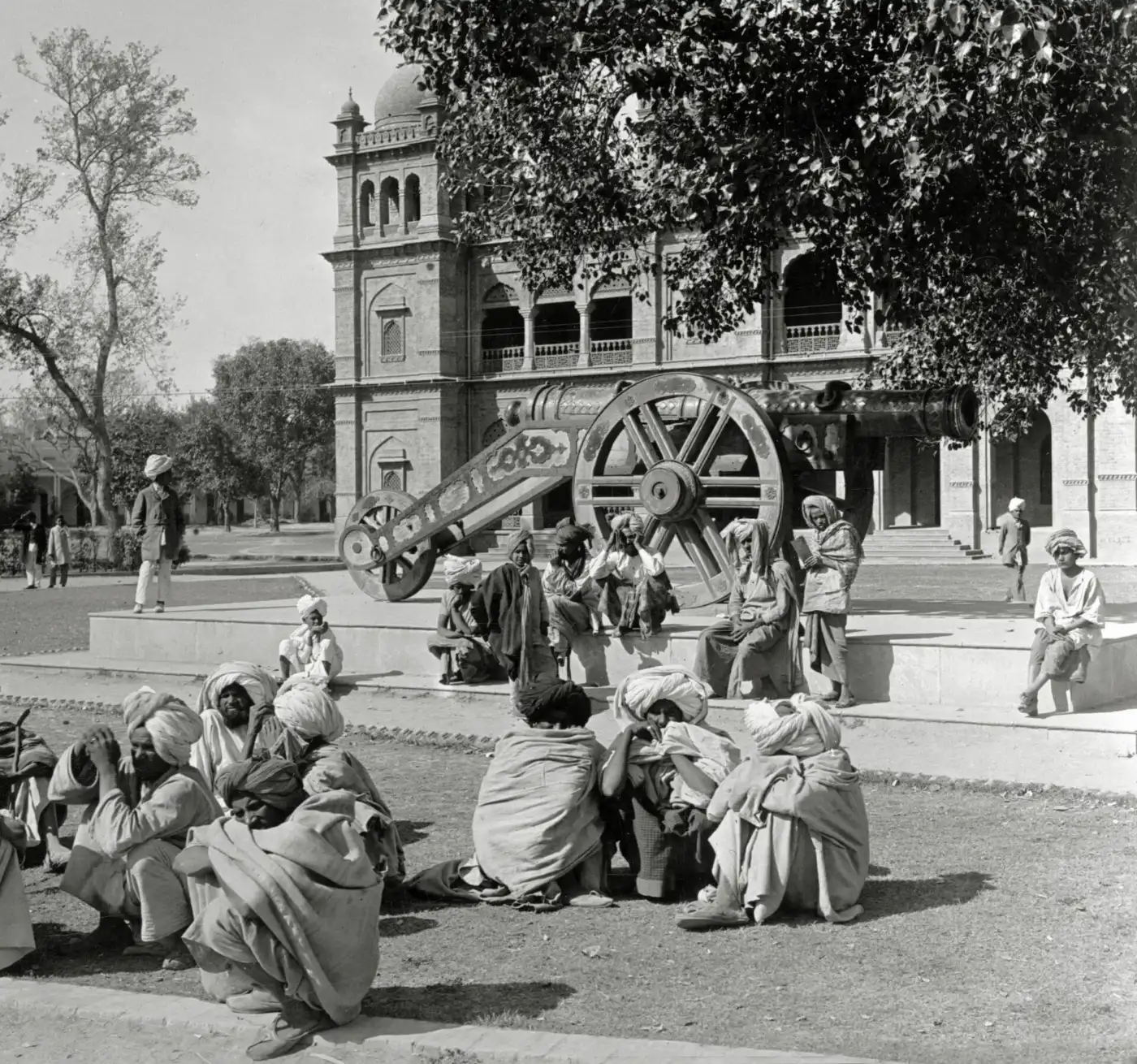
Image: Unknown photographer, late 19th century, public domain, via Wikimedia Commons
Kipling and the Wonder House
One of the early curators was John Lockwood Kipling, the father of the writer Rudyard Kipling. That is why the opening scene of Rudyard’s famous novel Kim takes place right here. In it, young Kim sits on the Zamzama Gun outside the “Wonder House”.
Then, in 1948, after Partition, the collection was divided between Pakistan and India. As a result, Lahore kept about 60 percent of it, while the rest went to a new museum in Chandigarh. Even so, the Lahore Museum still holds around 58,000 objects today. However, only part of the collection is on display at any one time.
The Building
Before you step inside, first take a minute to look at the building itself. Bhai Ram Singh, one of the best-known architects of his time, designed it together with John Lockwood Kipling. Meanwhile, Sir Ganga Ram, the engineer behind many of Lahore’s finest old buildings, supervised the construction.
The style is called Indo-Saracenic. In simple words, it mixes Mughal domes and arches with British planning and red brick. Also, look up as you walk through the entrance, because the ceiling is beautifully decorated. In addition, the main hall once displayed a huge mural by the artist Sadequain, which has been under restoration.
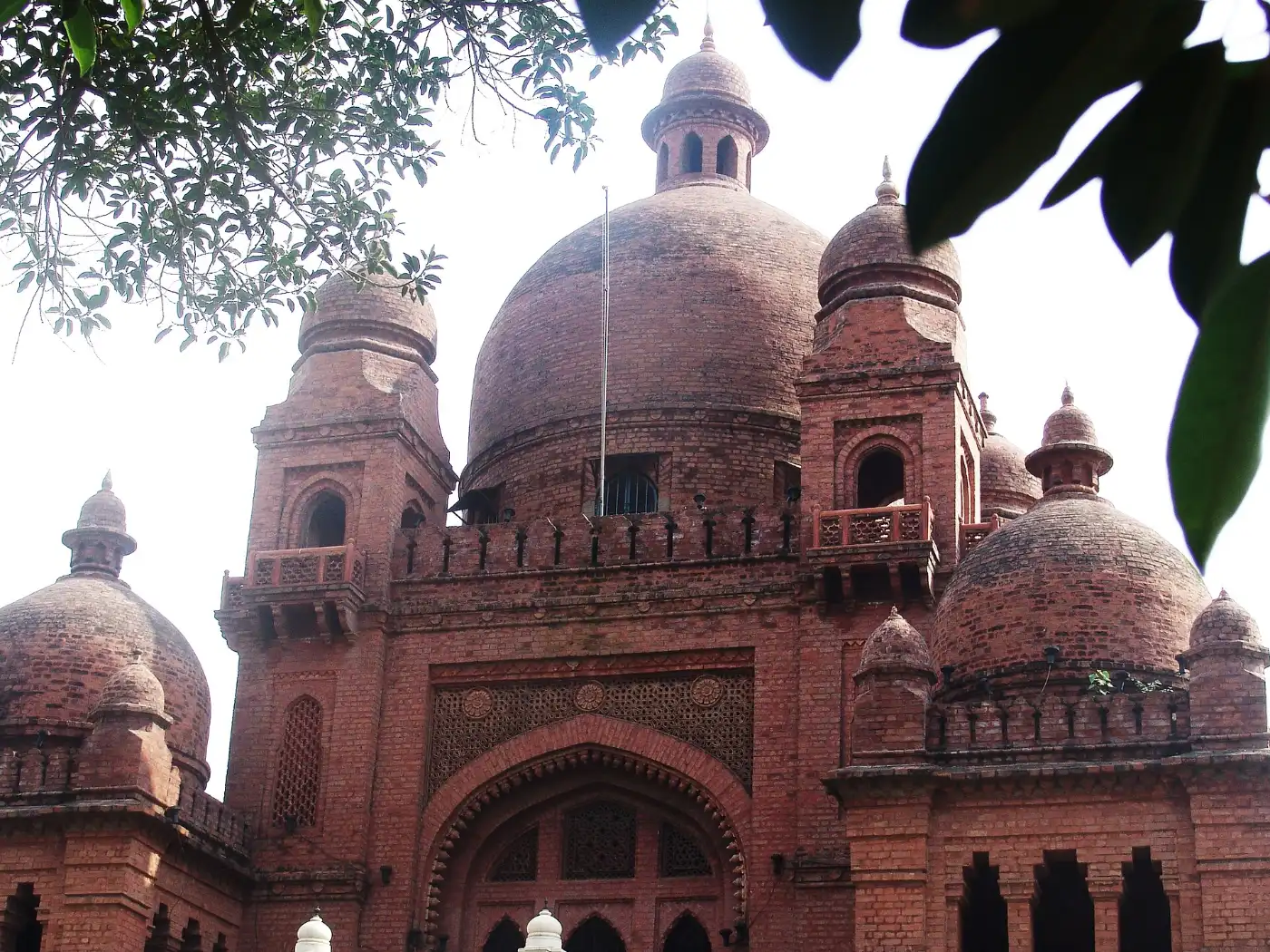
Photo Credit: MaraimSM, CC BY-SA 3.0, via Wikimedia Commons
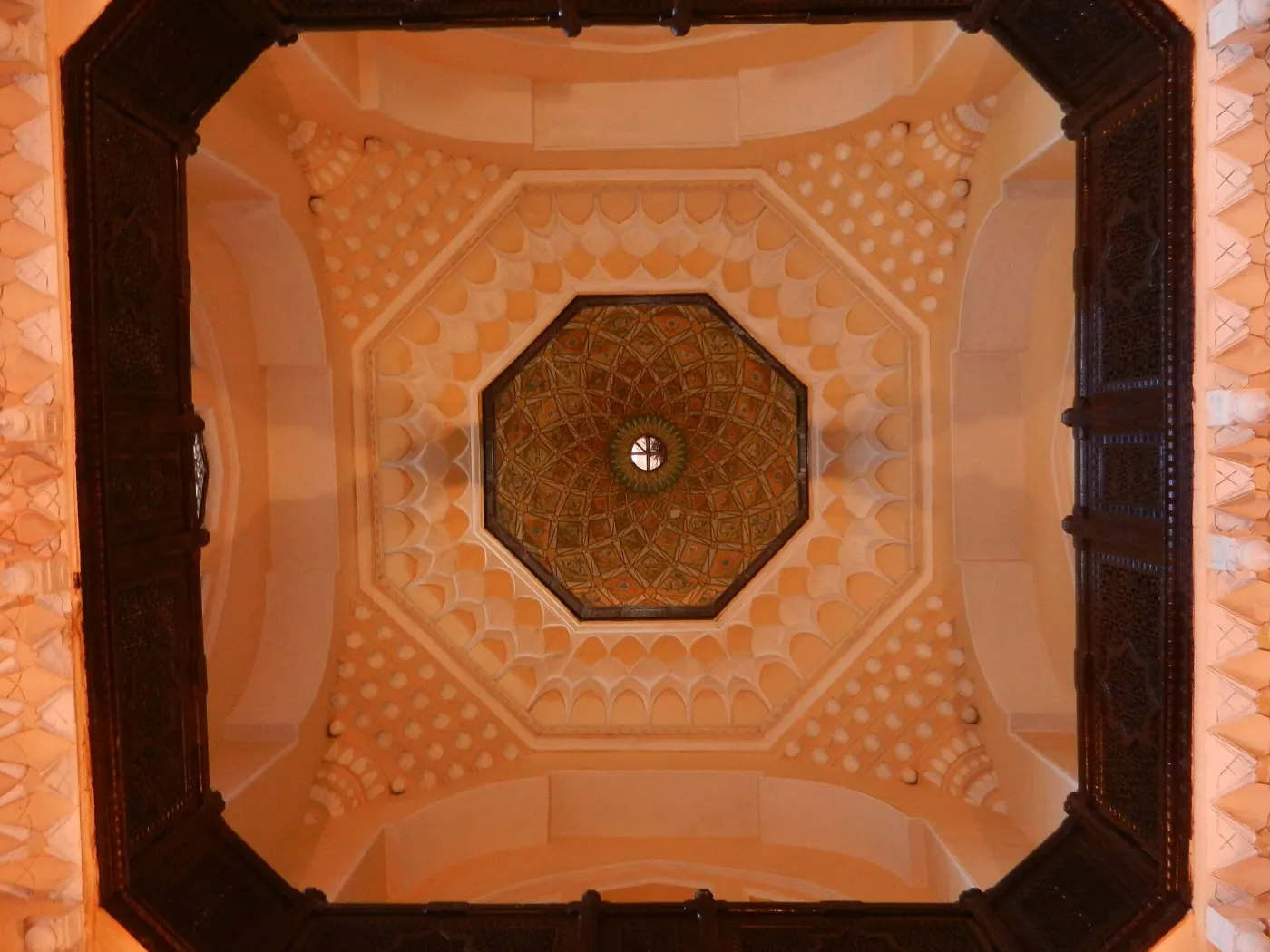
Photo Credit: Muhammad Bin Naveed, CC BY-SA 3.0, via Wikimedia Commons
What to See Inside
Highlights of the Lahore Museum
If you only have time for one object, then make it the Fasting Buddha. This Gandhara sculpture shows the Buddha after years of fasting. In fact, he is so thin that every rib and vein shows. It is almost 2,000 years old, and yet it still stops visitors in their tracks.
The Gandhara Gallery around it is the heart of the museum. Here, you will find Buddhas, bodhisattvas and carved stone panels. Together, they tell stories from the Buddha’s life, and they were made in the region that is now northern Pakistan.
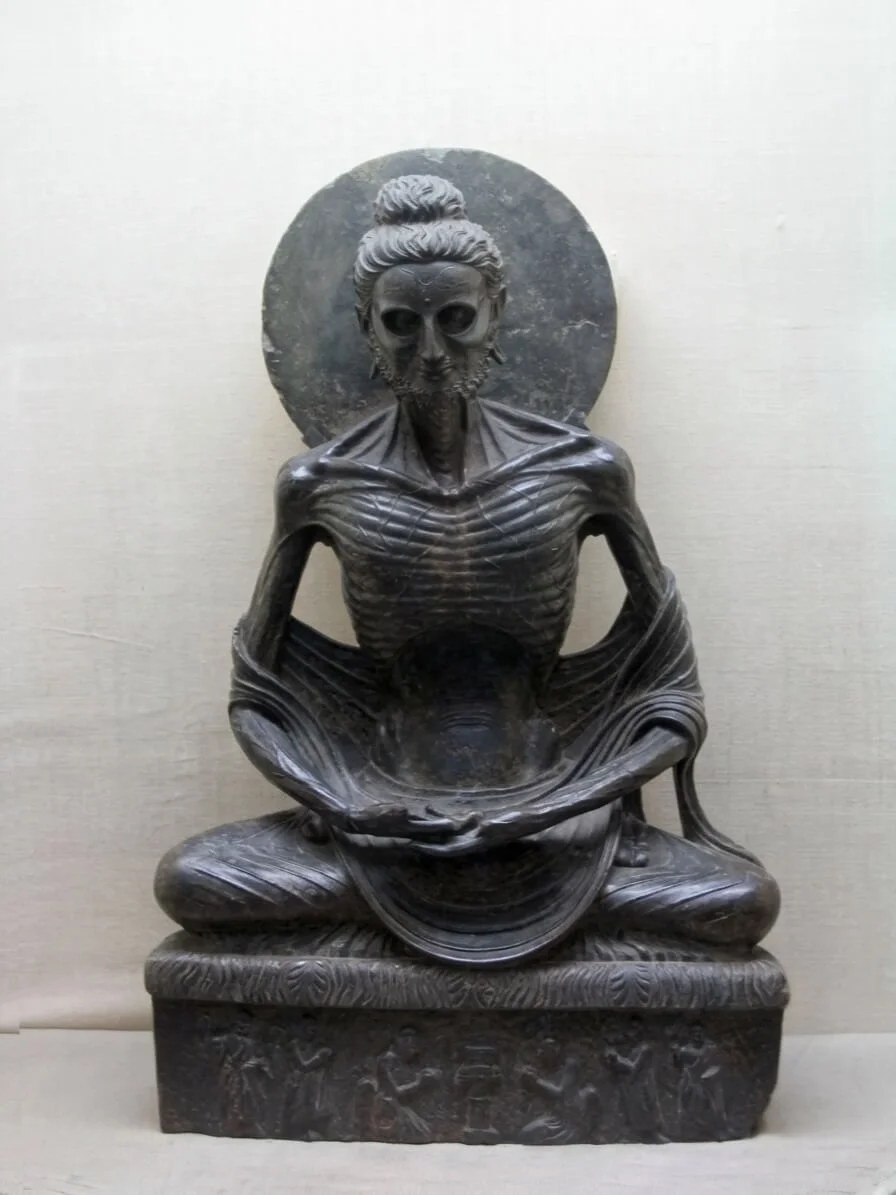
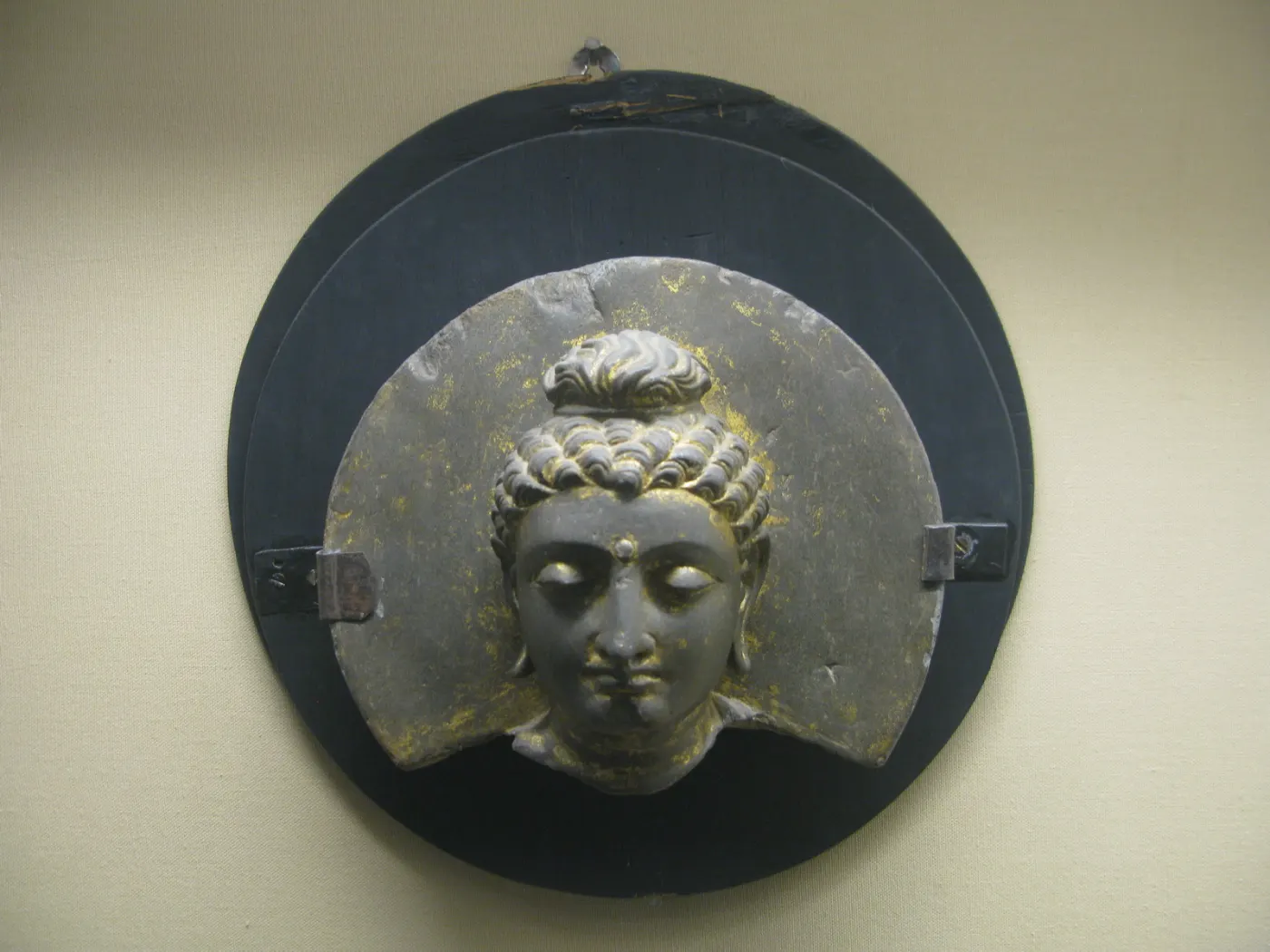
Photo Credit: Syed Muhammad Naqvi, CC BY-SA 3.0, via Wikimedia Commons
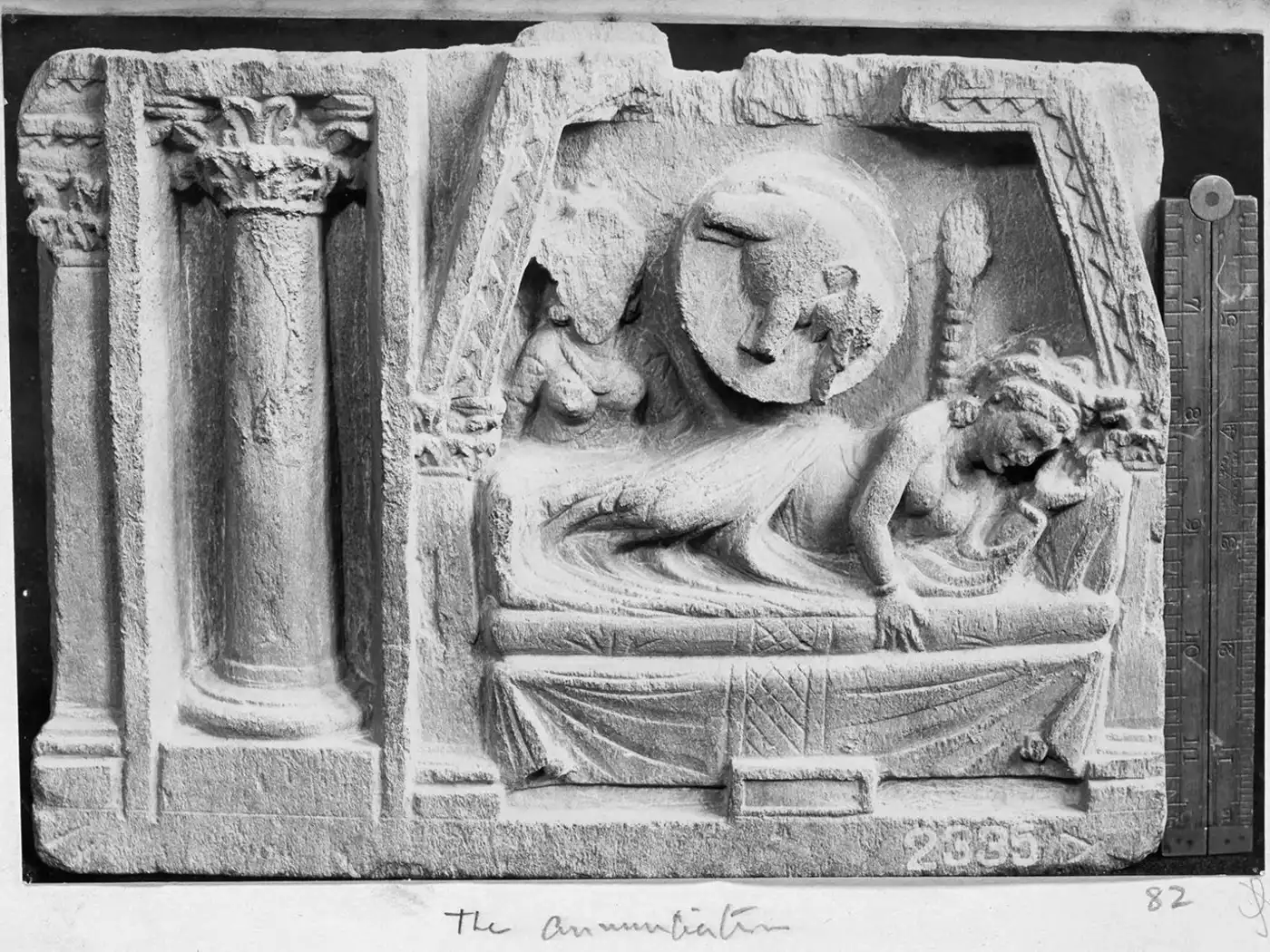
Image: Gertrude Bell, 1903, public domain, via Wikimedia Commons
Other Galleries Worth Your Time
Beyond Gandhara, the museum also has something for every kind of visitor. For example:
- Indus Valley: pottery, seals and small terracotta figures from Harappa and other ancient sites.
- Islamic Gallery: calligraphy, Qurans, tiles and objects from the Muslim period.
- Miniature paintings: Mughal and Pahari paintings, full of tiny details.
- Sikh Gallery: paintings, weapons and objects from the Sikh period in Punjab.
- Ethnological Gallery: traditional dress, jewellery, musical instruments and crafts.
- Coins: one of the best coin collections in the country, from Indo-Greek kings to the Mughals.
- Pakistan Movement Gallery: photos and documents from the creation of Pakistan.
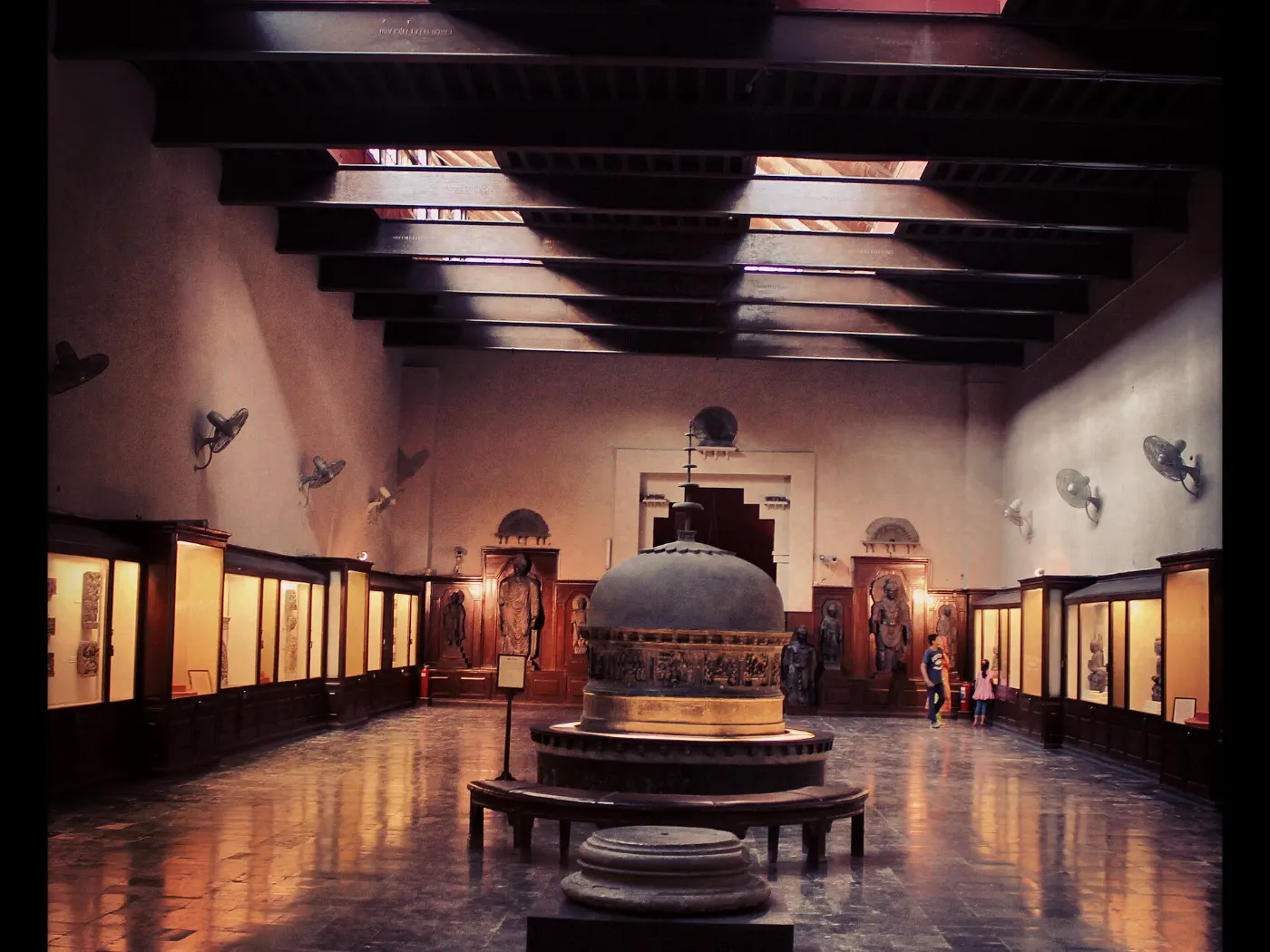
Photo Credit: Kkashaff, CC BY-SA 4.0, via Wikimedia Commons
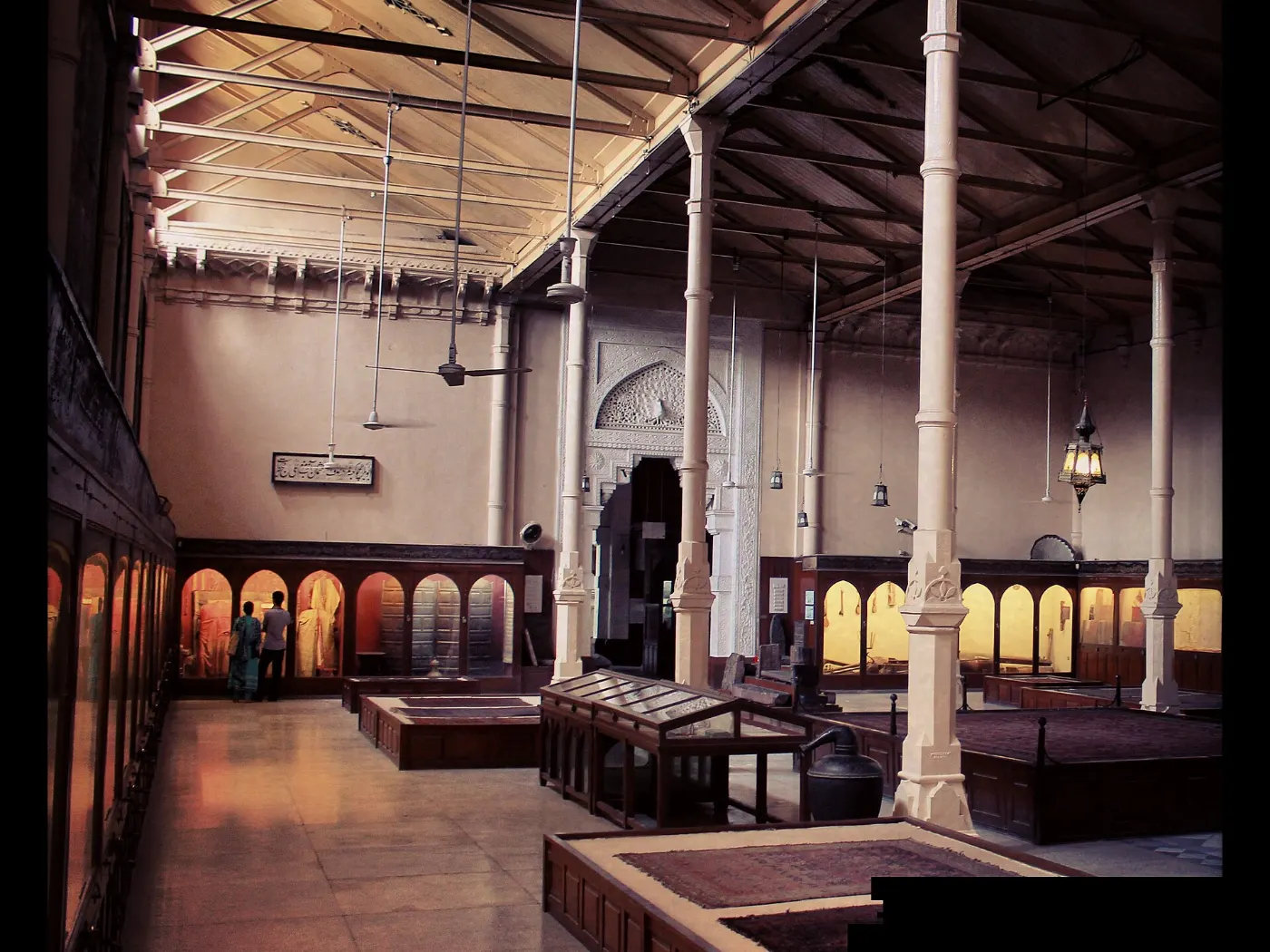
Photo Credit: Kkashaff, CC BY-SA 4.0, via Wikimedia Commons
Small Treasures
Also, do not rush past the smaller cases. Some of the oldest objects in the museum are tiny. For instance, this terracotta figurine from the Indus Valley was made more than 4,000 years ago.
The galleries spread over long, high-ceilinged halls with lots of natural light. So, pick two or three galleries that interest you most, and then save the rest for another visit.
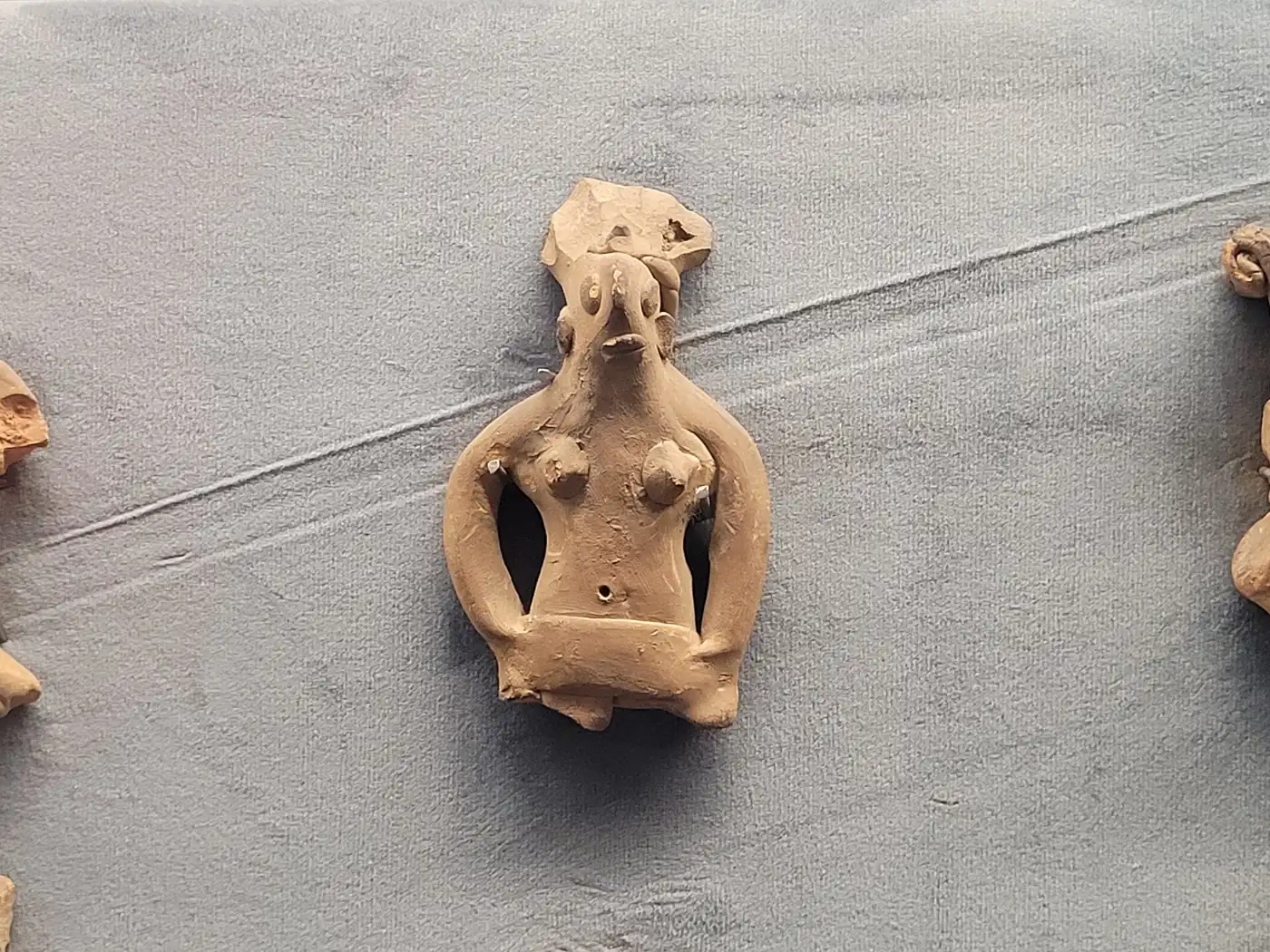
Photo Credit: Mamaedka, CC BY-SA 4.0, via Wikimedia Commons
The Buddhist Gallery
Next, walk into the Buddhist Gallery. Here, a big round stupa takes centre stage, and carved panels line the walls around it. The stupa is covered in small scenes, so take a slow walk all the way around it. Also, look for the rows of Buddha heads and small statues in the glass cases nearby.
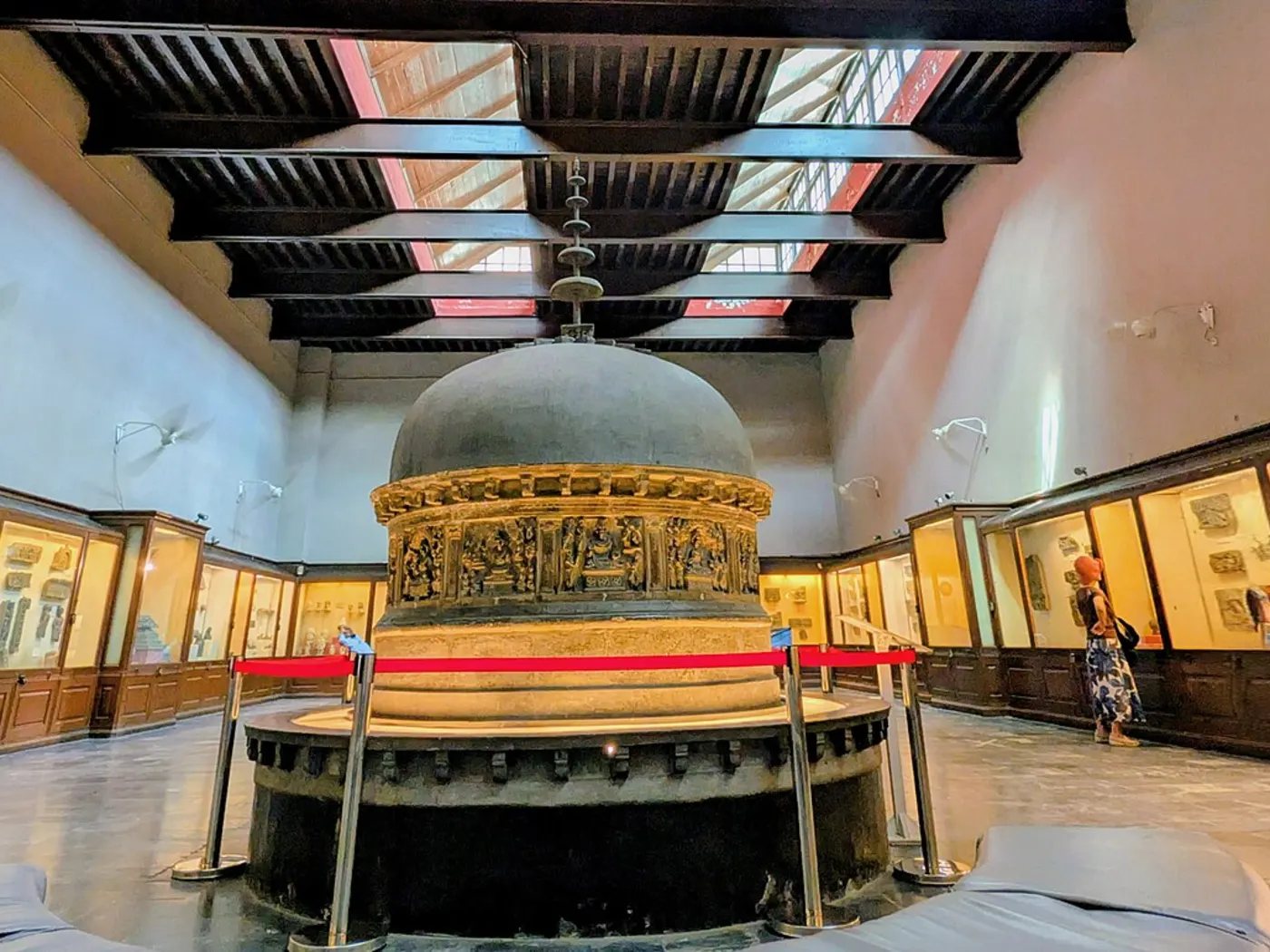
Photo Credit: Muhammad Umair Mirza, CC BY-SA 4.0, via Wikimedia Commons
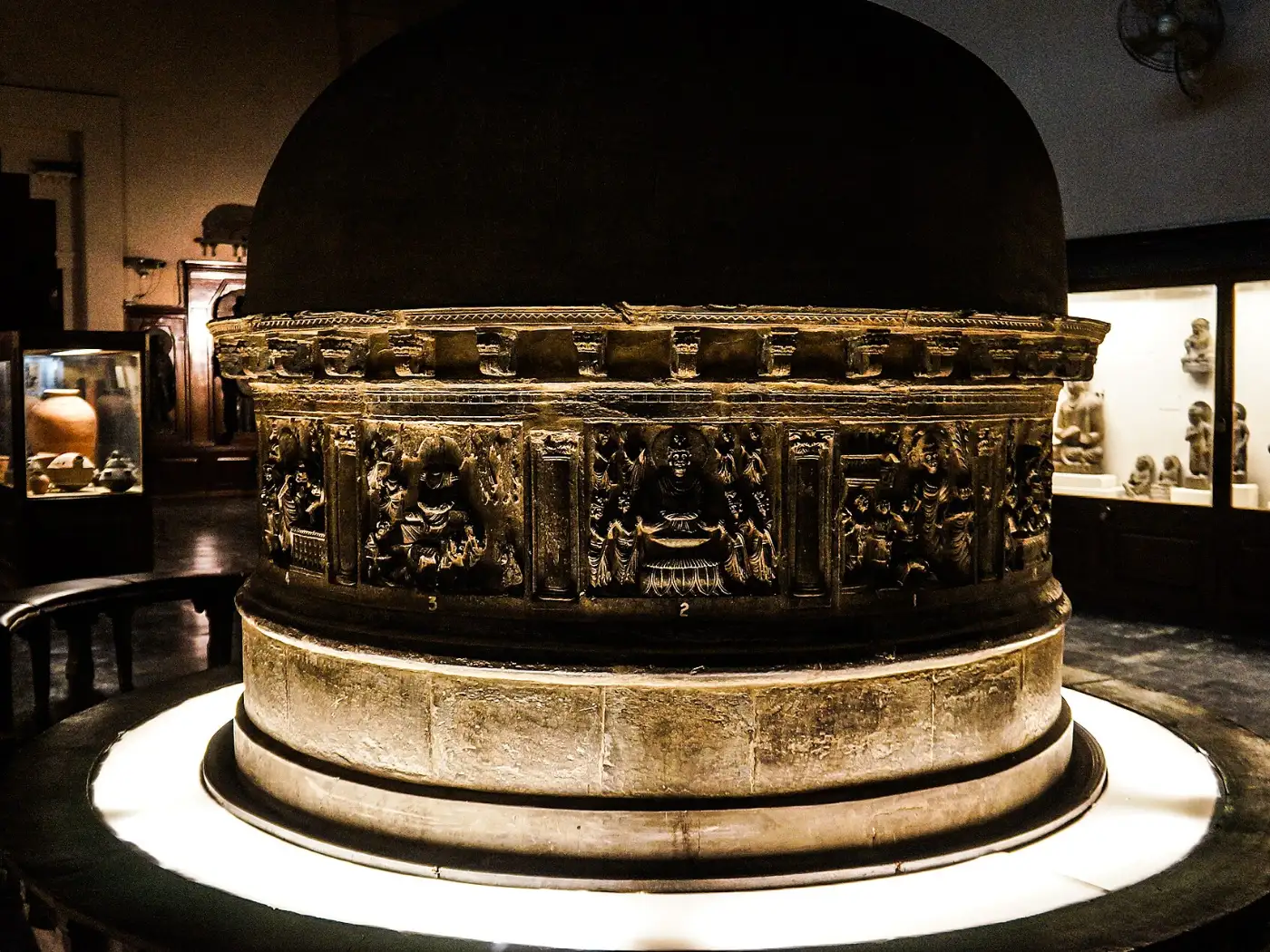
Photo Credit: Asif Nawaz, CC BY-SA 3.0, via Wikimedia Commons
Paintings by Manaku and Nainsukh
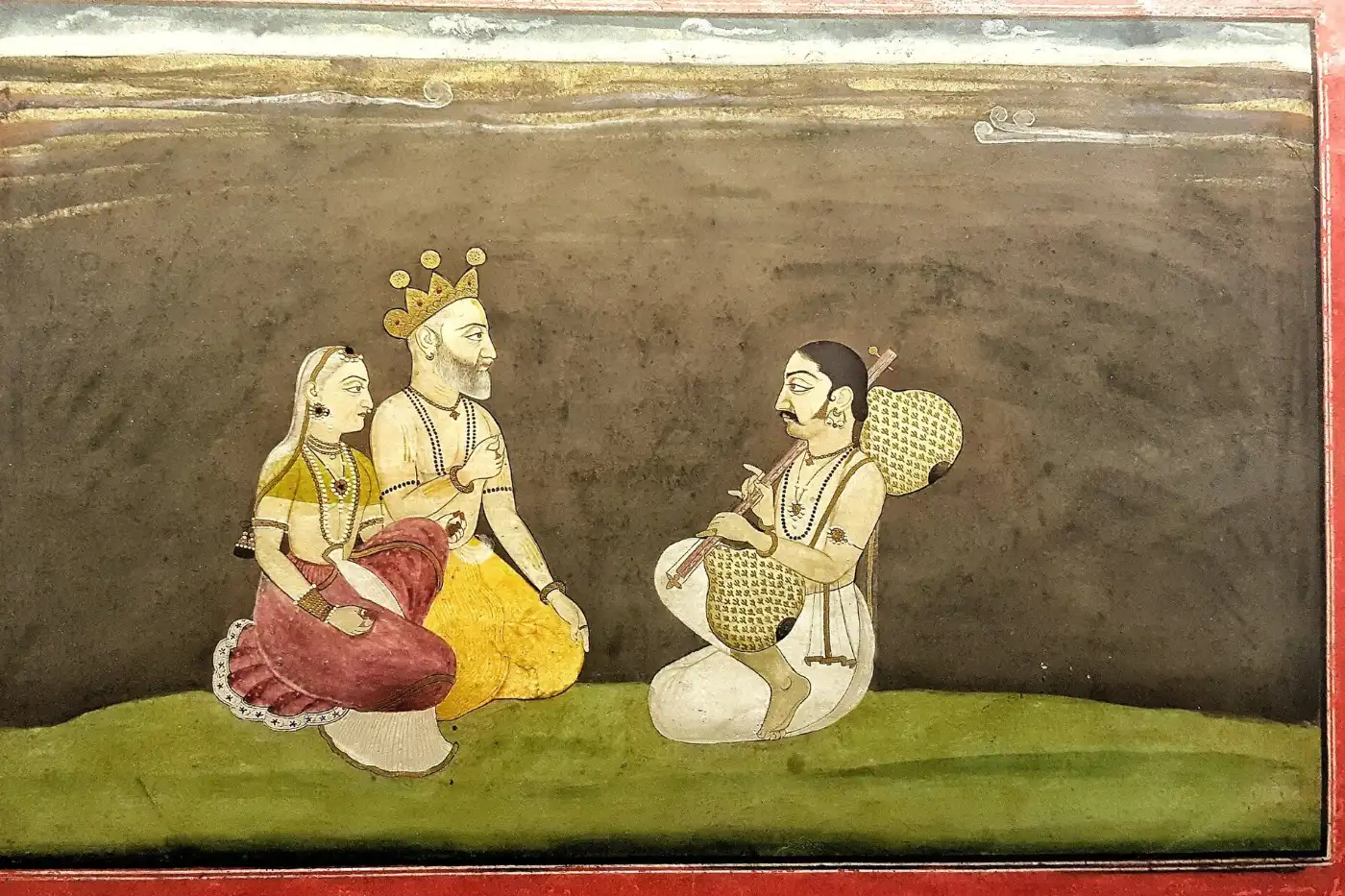
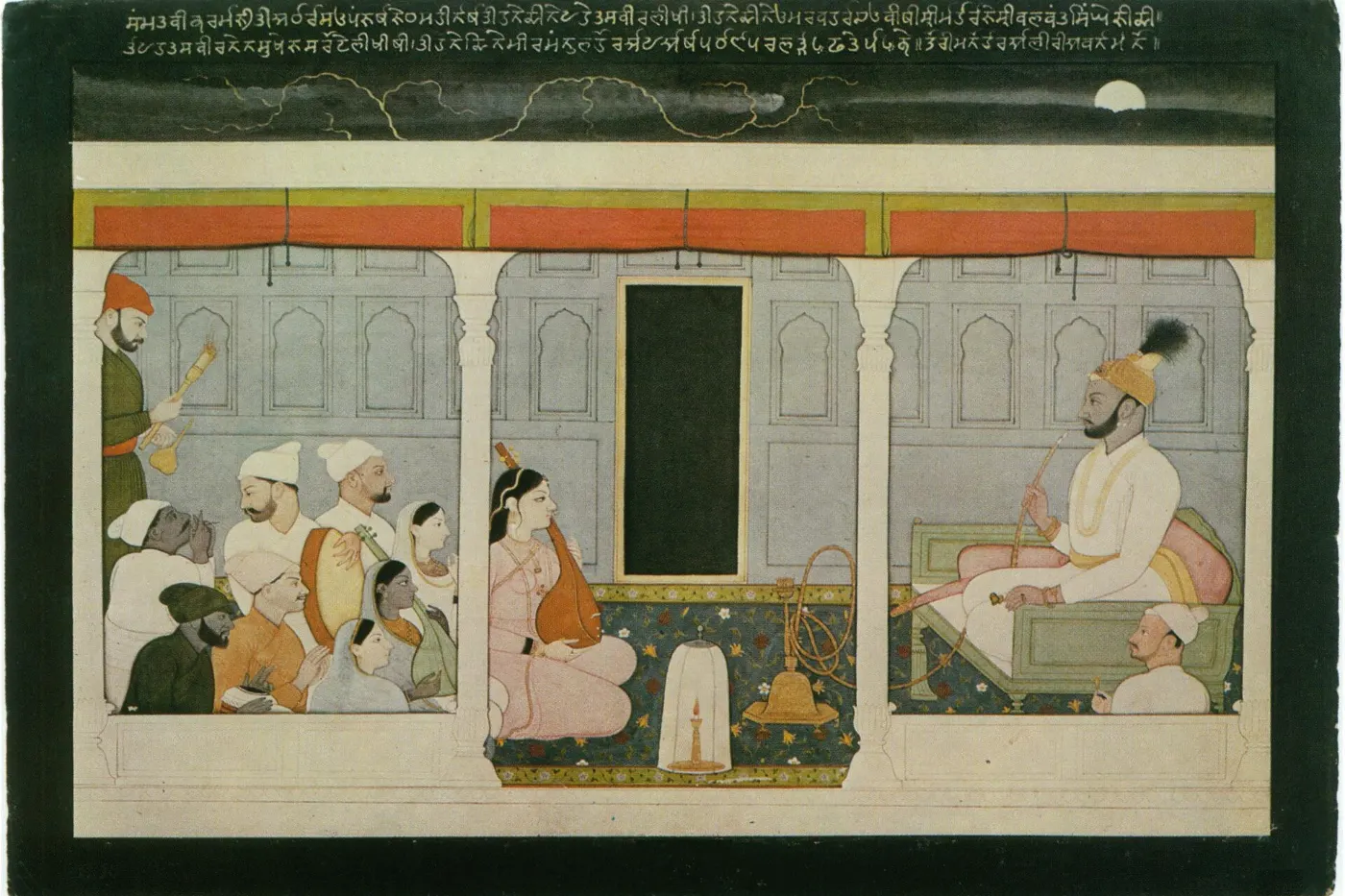
The painting rooms are easy to miss. However, they hold some of the finest work in the museum. For example, look for the Pahari paintings by Manaku and Nainsukh, two brothers from Guler who were among the greatest hill painters of the 18th century.
One painting by Manaku shows the poet Jayadeva with his parents. Meanwhile, Nainsukh’s painting shows Raja Balwant Singh quietly listening to music at night. Stand close, because the tiny faces and patterns are full of detail.
Pieces of Lahore’s Own Past
Some objects connect straight back to places you can still visit in the city. For instance, the museum keeps a fragment of a painted wooden door from Shalimar Gardens. In addition, the galleries show brightly painted figures of Hindu deities. Together, they remind you how many faiths and rulers shaped Punjab over the centuries.
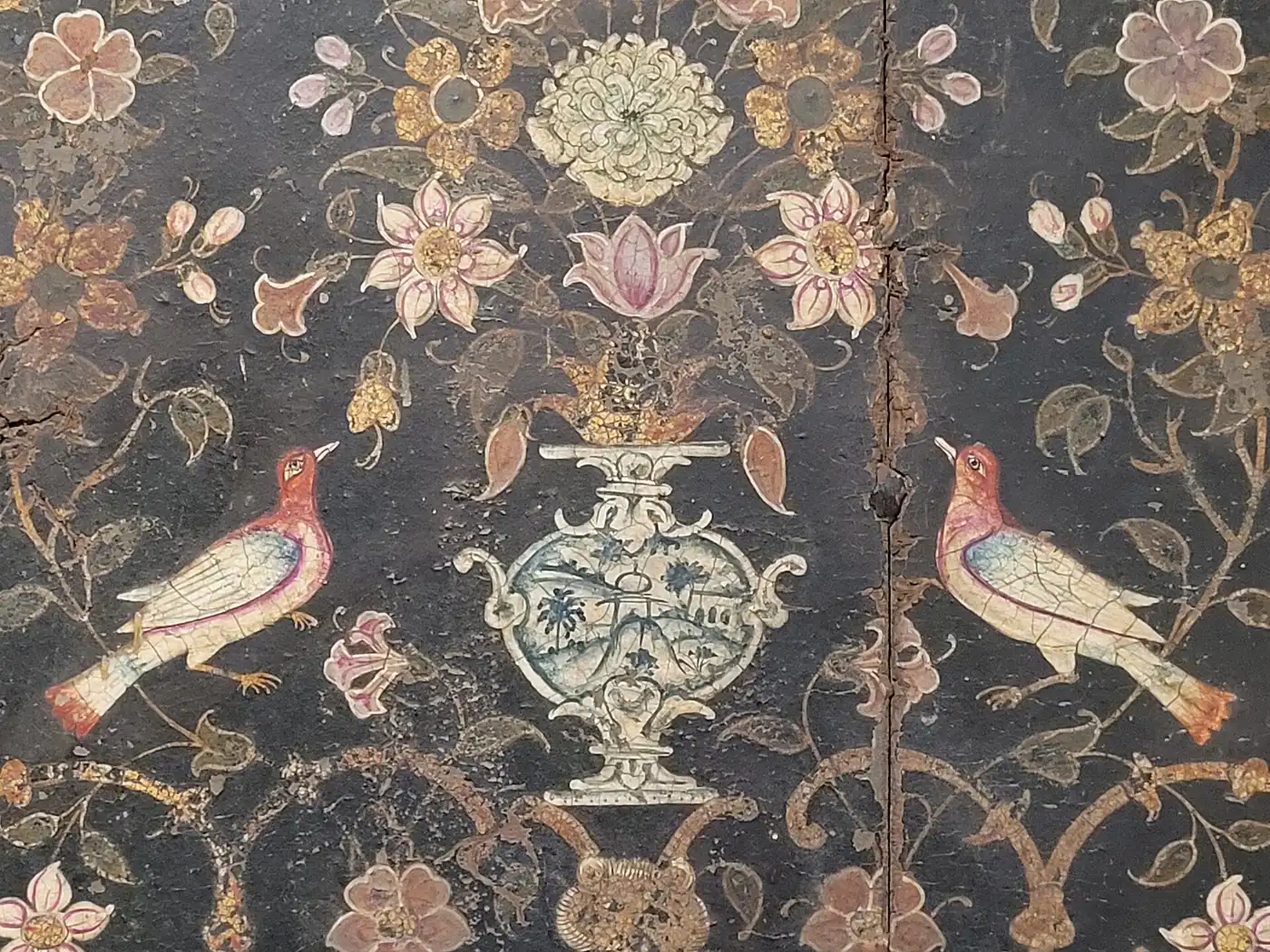
Photo Credit: Mamaedka, CC BY-SA 4.0, via Wikimedia Commons
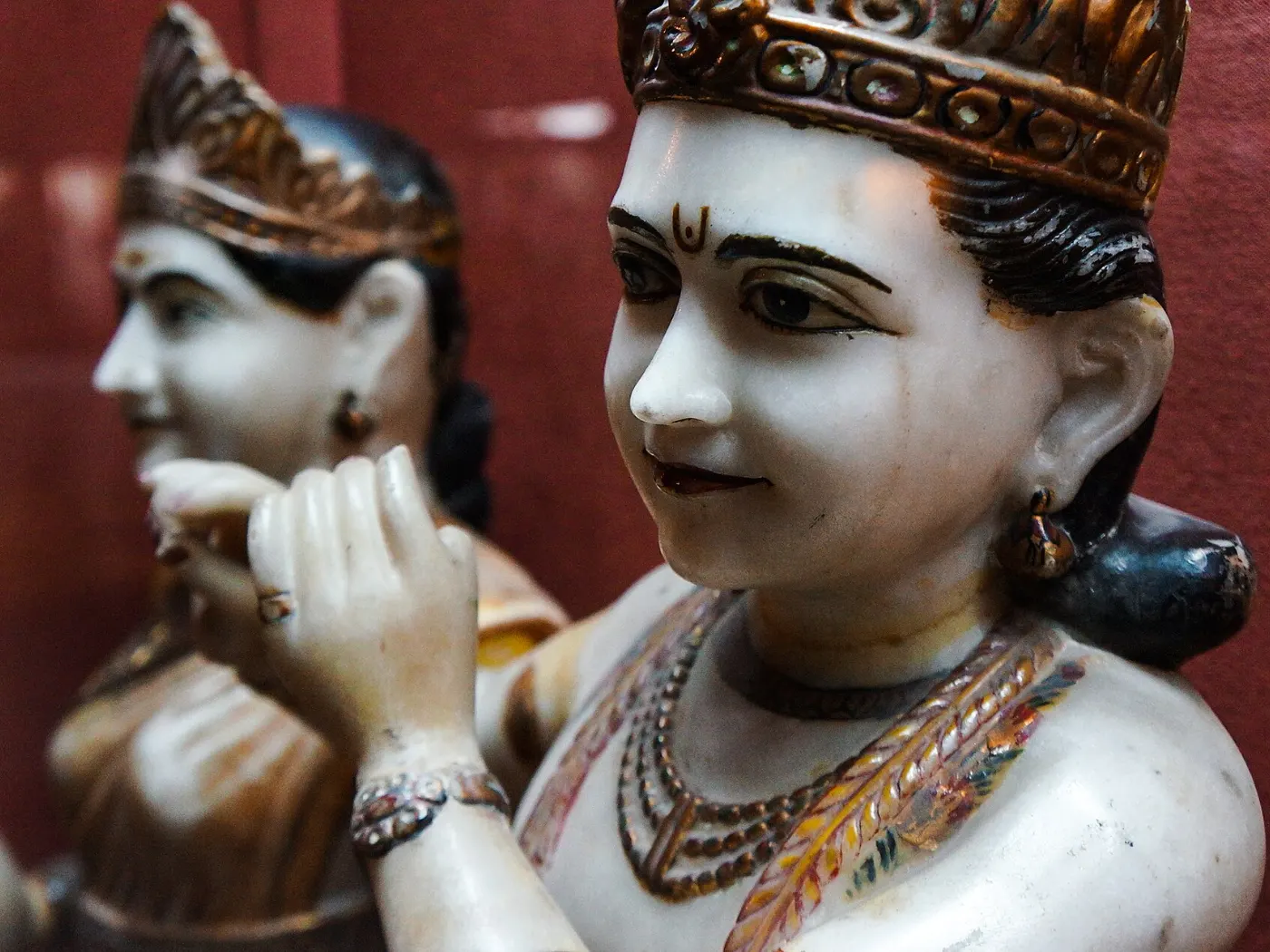
Photo Credit: Asif Nawaz, CC BY-SA 3.0, via Wikimedia Commons
Zamzama Gun: Kim's Gun
Right in front of the museum, in the middle of Mall Road, sits the Zamzama Gun. It is one of the largest cannons ever made in South Asia. It was cast in the 18th century and, after that, it changed hands between several rulers before ending up here.
Thanks to Kipling, it is also known as Kim’s Gun. So, stand next to it for a photo. Then look back at the museum’s front. At that moment, you are looking at almost exactly the scene from the first page of Kim.
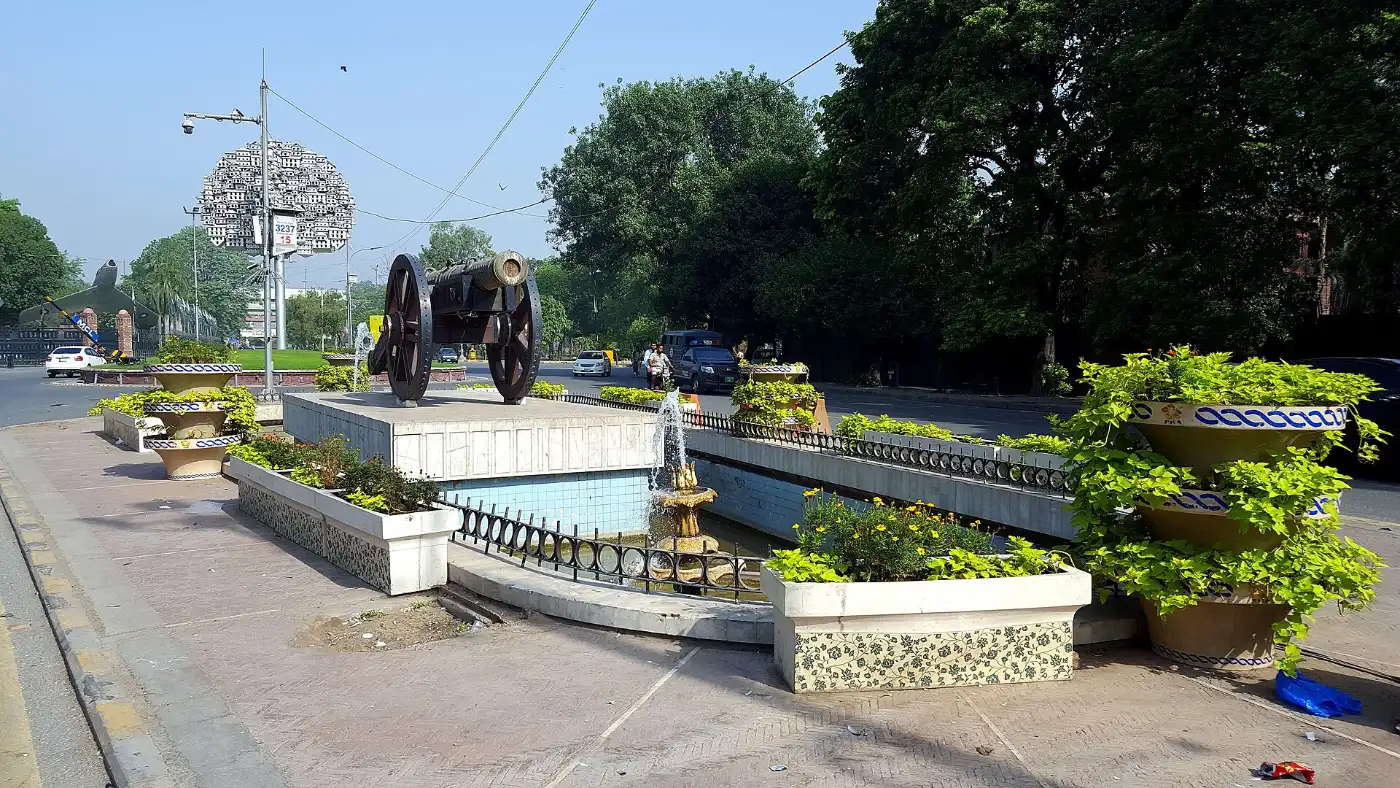
Photo Credit: Shahzaib Damn Cruze, CC BY-SA 4.0, via Wikimedia Commons
Visitor Information
Timings and Tickets
- Location: Shahrah-e-Quaid-e-Azam (Mall Road), opposite Tollinton Market and next to the National College of Arts, Lahore.
- Timings: 9 AM to 4 PM in winter and 9 AM to 5 PM in summer.
- Closed: Every Friday, and also on the first Monday of each month for maintenance.
- Tickets: Buy them at the counter or online through “Book a Ticket” on the museum’s official website. Fees for Pakistanis are low, while foreign visitors pay more, so check the official site for current rates.
- Time needed: At least 2 hours. However, museum lovers can easily spend half a day.
- Contact: +92-42-99211819
Good to Know Before You Go
- Best time: Weekday mornings, before school groups arrive. Also, in summer, the halls are a good escape from the afternoon heat.
- Families and students: Great for children and students, especially the Indus Valley and Gandhara galleries.
- Photography: First ask at the counter before taking photos, and never use flash near the objects.
- Accessibility: If you use a wheelchair or have trouble with steps, ask the staff at the entrance about the easiest route.
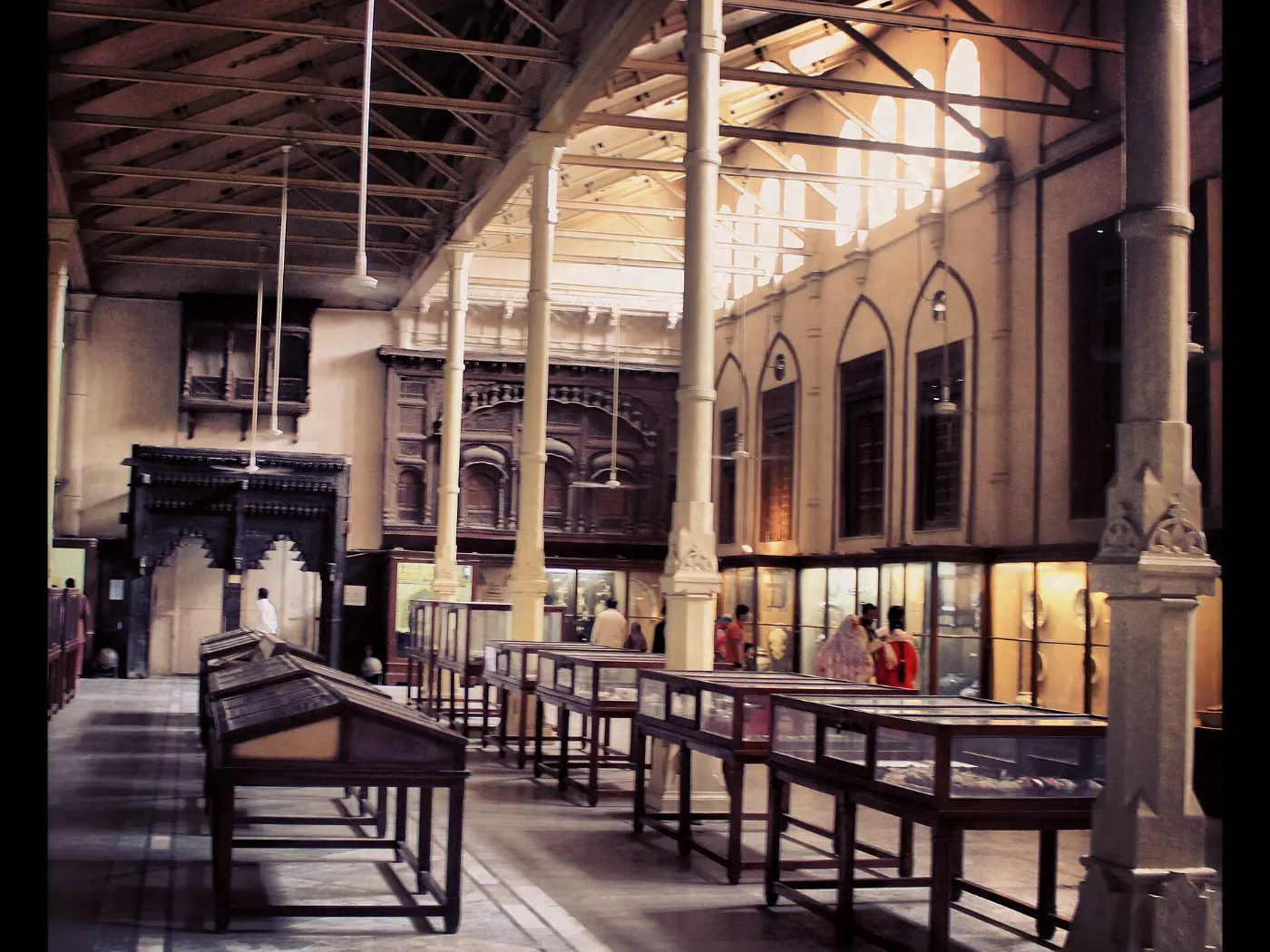
Photo Credit: Kkashaff, CC BY-SA 4.0, via Wikimedia Commons
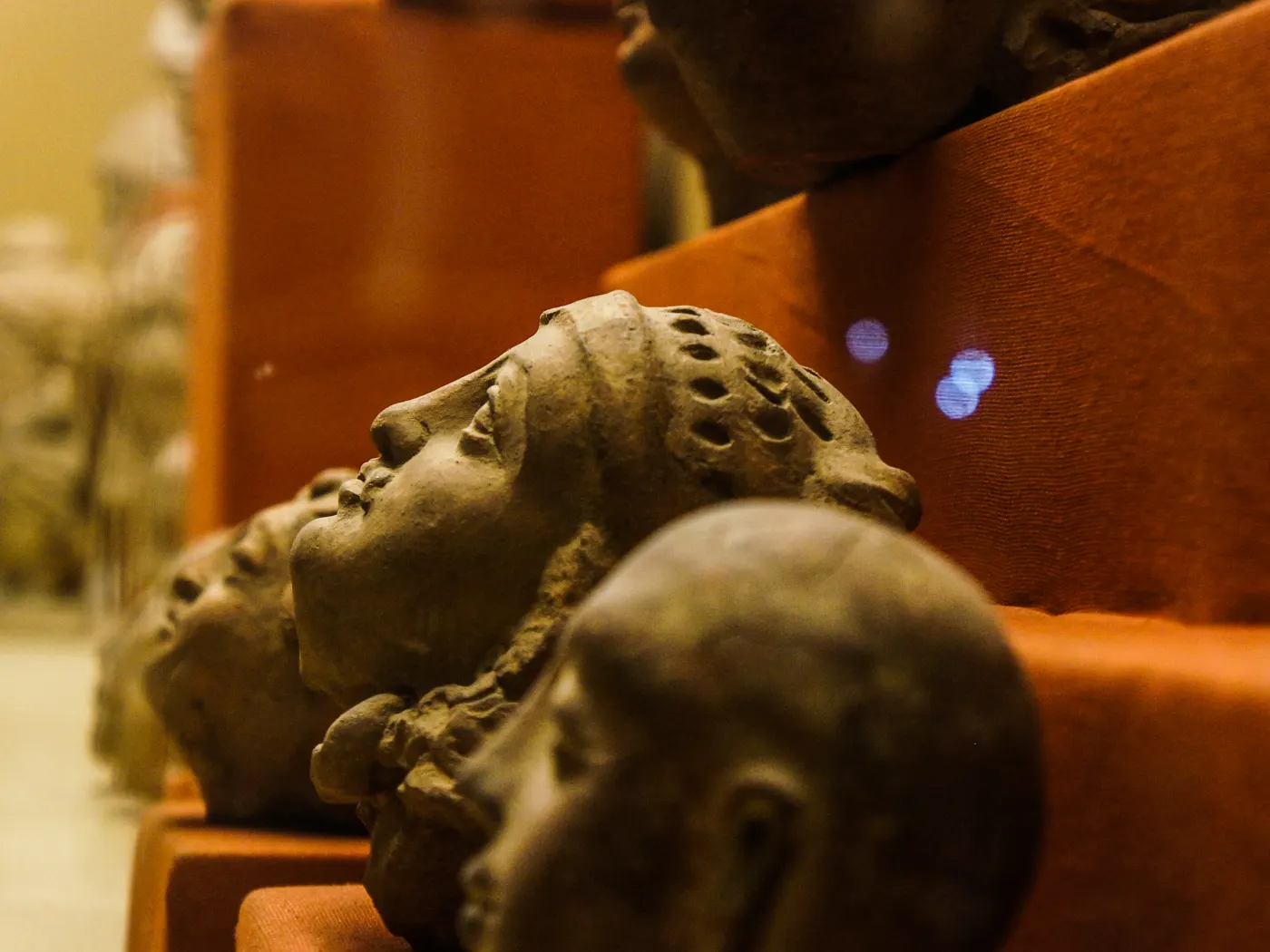
Photo Credit: Asif Nawaz, CC BY-SA 3.0, via Wikimedia Commons
How to Get to Lahore Museum
By Orange Line: Get off at the GPO or Anarkali station. From either one, the museum is then about a 10-minute walk along Mall Road.
By rickshaw, car or ride-hailing: Ask for “Ajaib Ghar, Mall Road” or “Lahore Museum”. However, parking on Mall Road is limited, so a rickshaw or Careem, inDrive or Yango is easier.
Map: Open Lahore Museum in Google Maps for live directions.
Places to See Nearby
Once you are done, there is plenty more to see close by:
- Tollinton Market: Right across the road. In fact, this is where the museum’s collection was first shown back in the 1860s.
- National College of Arts: Next door. It is one of the oldest art schools in South Asia, and it also hosts regular exhibitions.
- Anarkali Bazaar: A short walk away, so it is perfect for shopping and street food after your visit.
- Data Darbar: The famous Sufi shrine, about 10 minutes away by rickshaw.
- Lahore Fort and Badshahi Masjid: A 15-minute ride, so you can easily turn your trip into a full day of history.


Tips for Visitors
- Do not go on Friday: The museum is closed, and many people only find this out at the gate.
- Start with the Fasting Buddha: See the best piece first, while you are still fresh.
- Carry water: After all, you will be on your feet for a couple of hours.
- Read the labels: They often tell great little stories about where each piece came from.
- Keep your voice low: Other visitors are reading and studying, too.
- Pair it with Anarkali: Finally, finish your visit with chaat or a cold drink in Anarkali Bazaar.
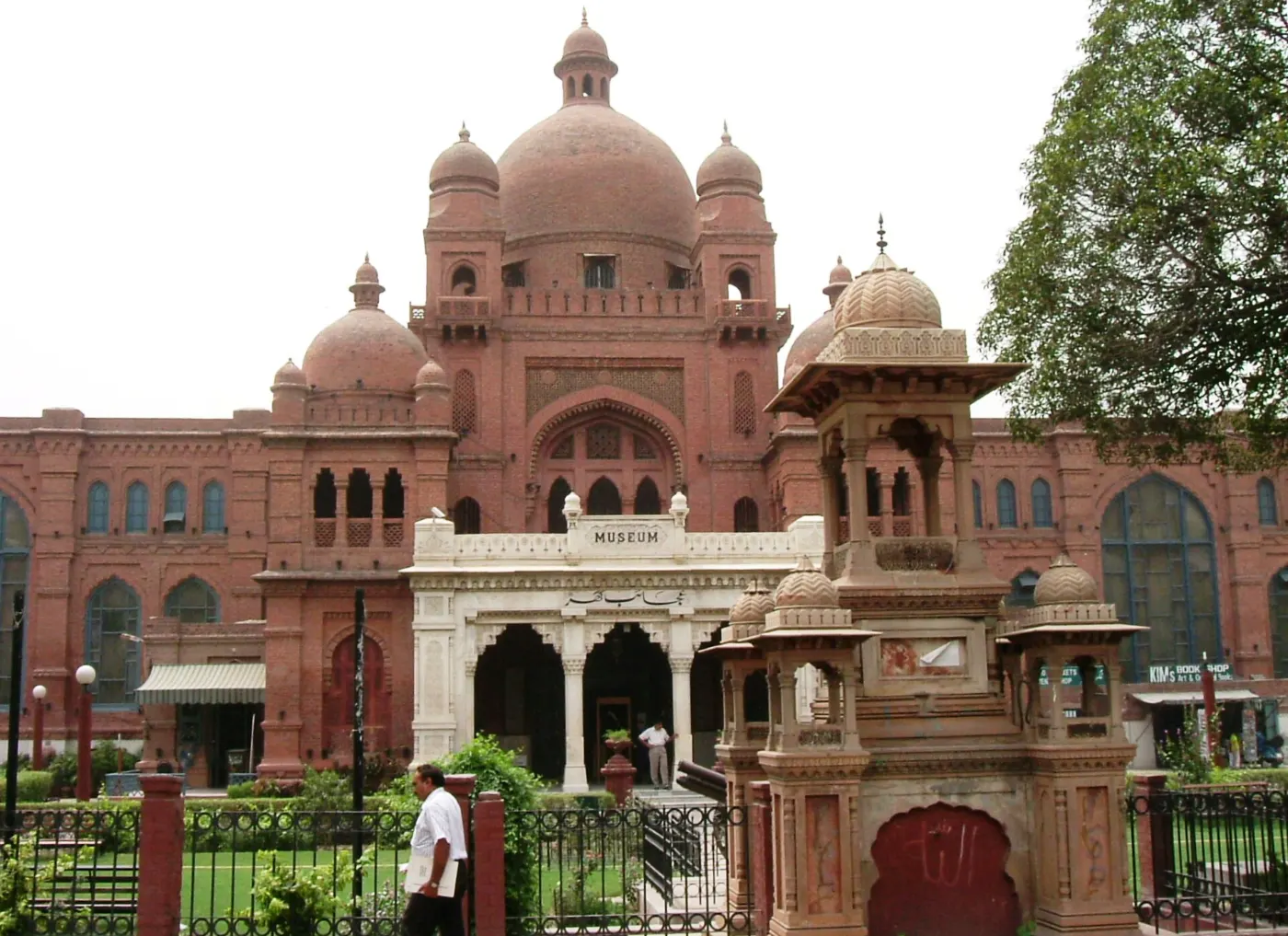
Photo Credit: franek2, CC BY-SA 3.0, via Wikimedia Commons
Frequently Asked Questions
What are the timings of Lahore Museum?
It opens at 9 AM. However, it closes at 4 PM in winter and 5 PM in summer.
Is Lahore Museum open on Friday?
No, Friday is the weekly holiday. Also, it is closed on the first Monday of every month.
What is the most famous object in Lahore Museum?
The Fasting Buddha from Gandhara. In fact, this sculpture is almost 2,000 years old.
Can I book Lahore Museum tickets online?
Yes, you can book through “Book a Ticket” on the official website. Otherwise, you can simply buy at the counter.
How long does it take to see Lahore Museum?
At least 2 hours for the main galleries. However, plan half a day if you want to see everything.
Which Orange Line station is closest to Lahore Museum?
GPO and Anarkali stations are both close. From either one, it is about a 10-minute walk.
Final Word
The Lahore Museum rewards curiosity. One minute you are face to face with a 4,000-year-old figurine, and the next you are looking at Mughal paintings or Sikh armour. So, give it a slow morning. Start with the Fasting Buddha, and then step outside to say hello to Kim’s Gun. In the end, you will leave knowing Lahore, and Pakistan, a lot better than when you walked in.
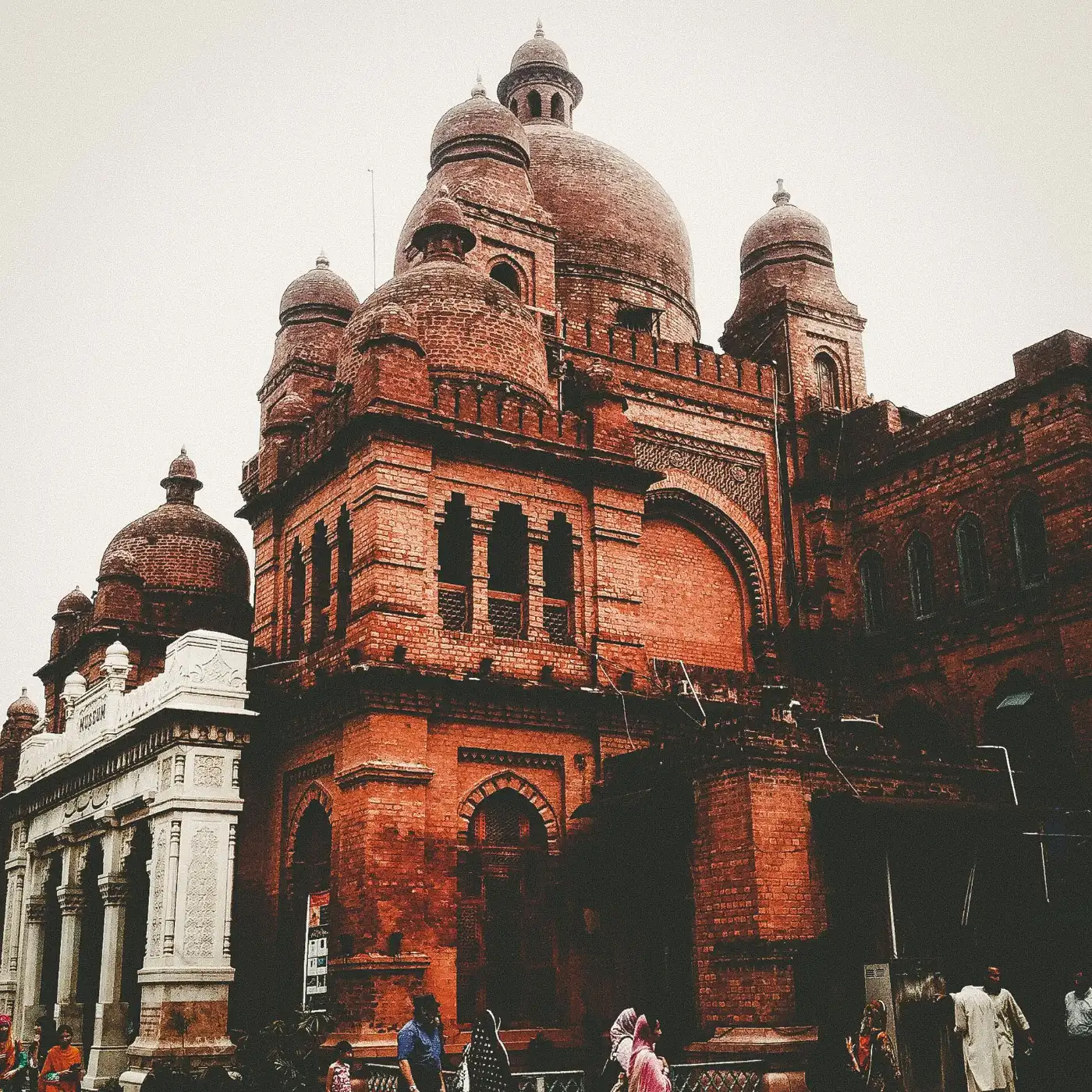
Photo Credit: Ghaaleeb, CC BY-SA 4.0, via Wikimedia Commons
Cover photo: Muhammad Ashar, CC BY-SA 3.0, via Wikimedia Commons (cropped and colour-enhanced)