Ask any Lahori where the heart of the city is, and a lot of them will point you towards Data Darbar. This is the shrine of Hazrat Ali Hujwiri, lovingly known as Data Ganj Bakhsh or simply Data Sahib, a Sufi saint who came to Lahore almost a thousand years ago. Day and night, people come here to pray, to make a wish, to say thank you, or just to sit quietly on the cool marble floor.
Data Darbar in Lahore is the largest Sufi shrine in South Asia, and on a normal day somewhere between 30,000 and 60,000 people walk through its gates. It never closes, entry is free, and nobody asks who you are or where you come from. In this guide we will tell you about the saint, the shrine, the famous langar, Thursday nights and the Urs, and everything you should know before you visit.
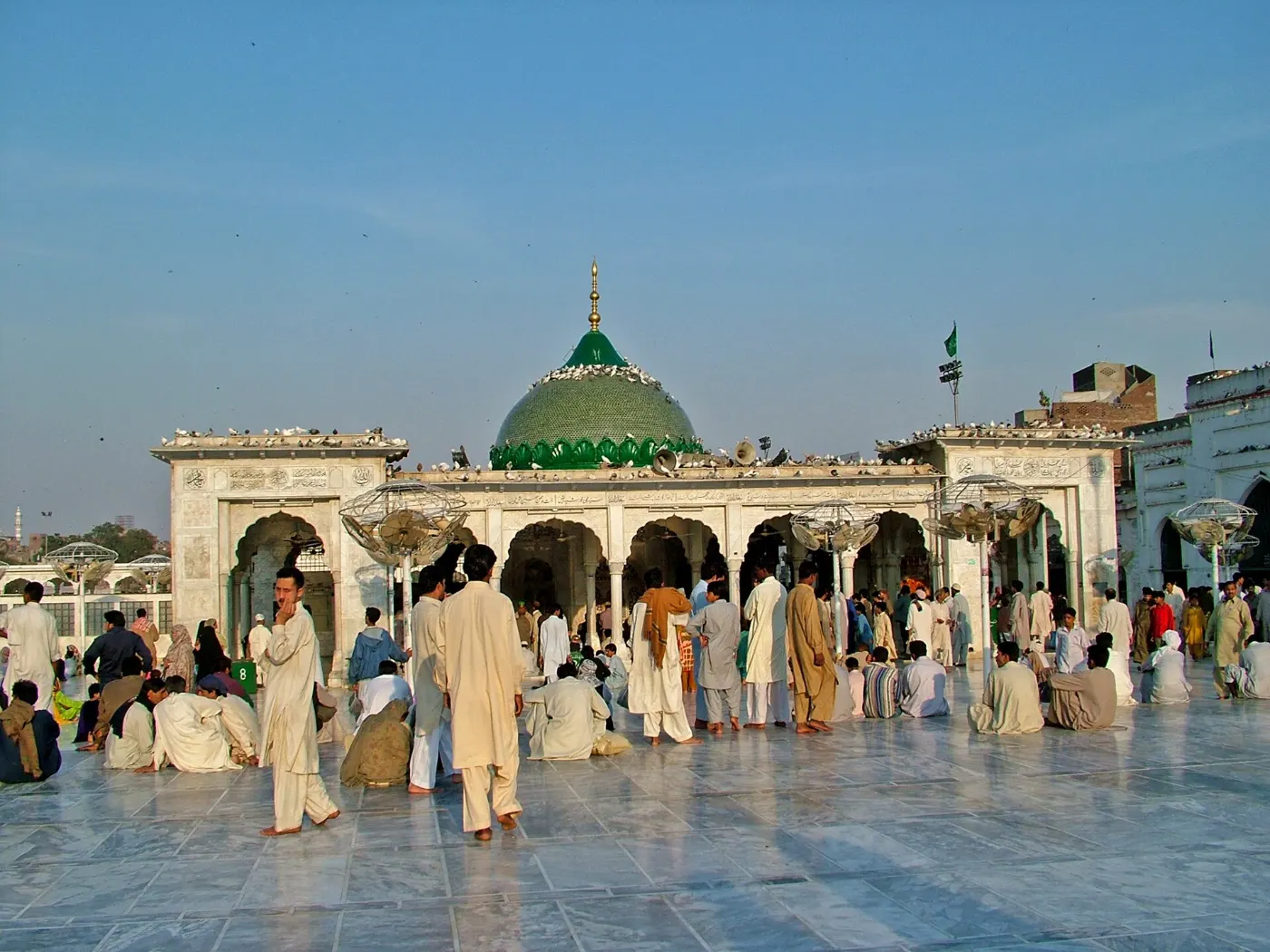
Photo Credit: Guilhem Vellut from Annecy, France, CC BY 2.0, via Wikimedia Commons
History of Data Darbar
Ali Hujwiri was born in Ghazni, in today’s Afghanistan, and arrived in Lahore in the 11th century, when the Ghaznavids ruled this part of the world. He settled just outside the old city, built a small mosque and spent the rest of his life here, teaching and writing.
When he passed away he was buried next to that mosque, and for a long time his resting place was a simple grave. A proper shrine was built over it in the Mughal period, and the complex was expanded again in the 19th century, when his mosque was rebuilt too.
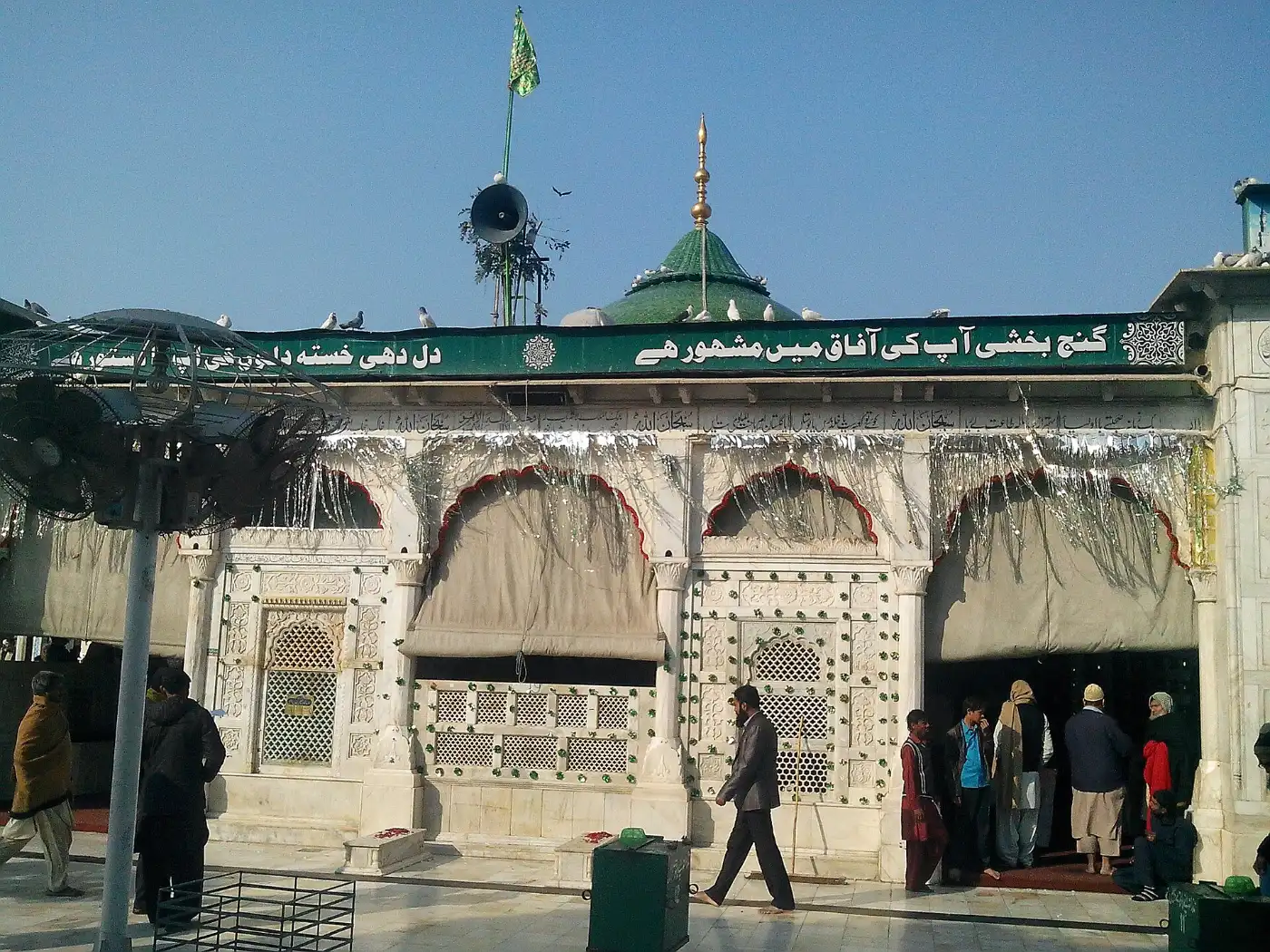
Photo Credit: TANK RAIDER, CC BY-SA 3.0, via Wikimedia Commons
The biggest change came in the 1980s. The shrine had been run by the Punjab Auqaf Department since 1960, and during the Zia era it was rebuilt on a huge scale, with a vast marble courtyard, a new mosque, a library, a madrasa and a new kitchen for the langar. That is when it became the largest Sufi shrine in South Asia. The Punjab government has also been working on better arrangements for visitors, cleanliness, security and parking around the shrine in 2026.
Who Was Data Ganj Bakhsh?
Data Sahib is best remembered for his book Kashf al-Mahjub (Revelation of the Veiled), often described as the oldest book on Sufism written in Persian. It is still read today, and it is surprisingly down to earth. He taught that Sufis must still follow the basics of Islam, and he spoke against drugs and showy practices. That is one reason he is respected by Muslims from very different schools of thought.
The title Ganj Bakhsh means “the one who gives treasure”. According to a well-known tradition, Khwaja Moinuddin Chishti spent time in prayer at this shrine before going on to Ajmer, and while leaving he recited a Persian couplet calling Data Sahib “Ganj Bakhsh”. The name stuck. Over the centuries, people like Baba Farid and Allama Iqbal also came here to pay their respects.
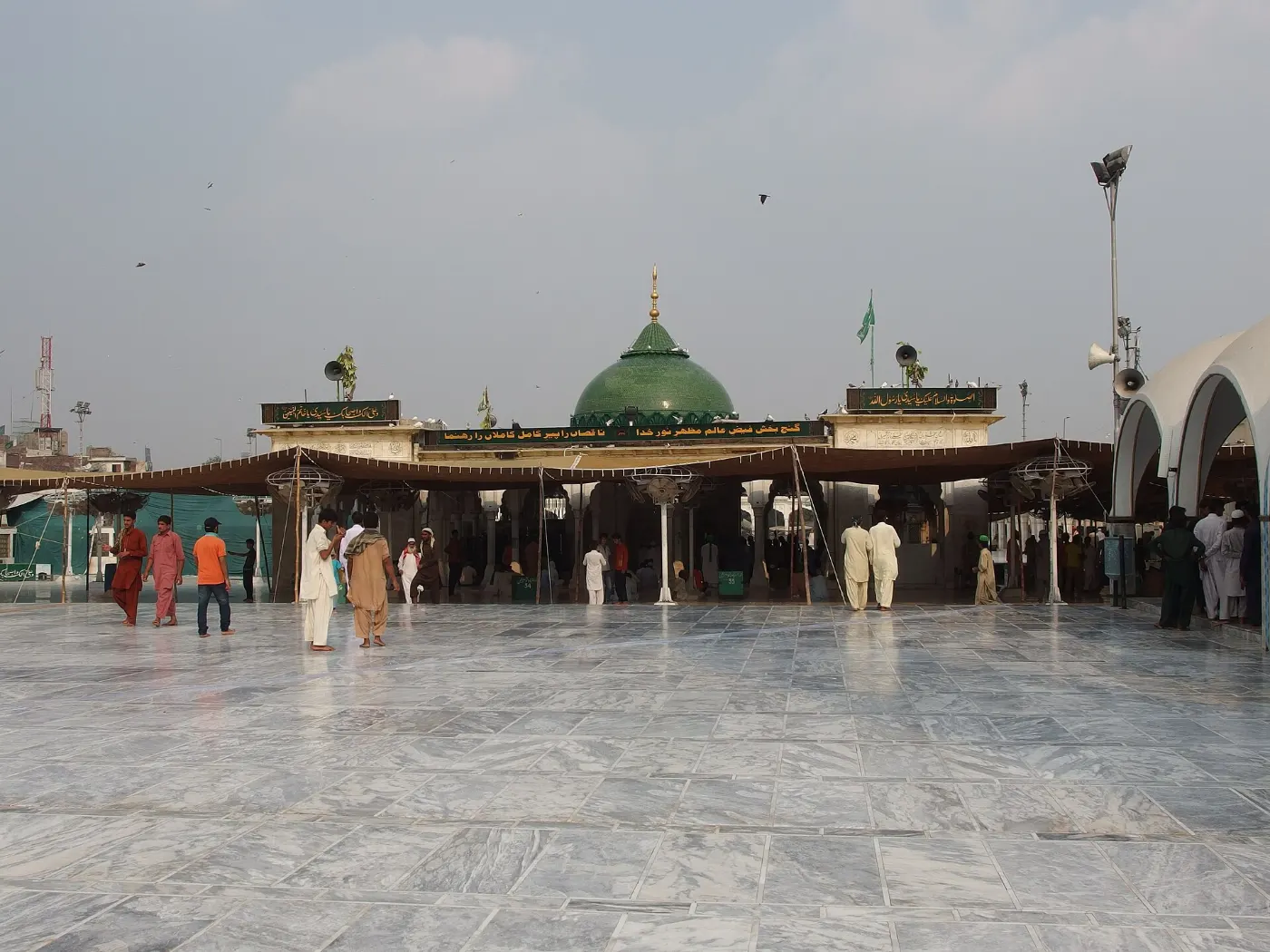
Photo Credit: Guilhem Vellut from Annecy, France, CC BY 2.0, via Wikimedia Commons
The Shrine and the Mosque
The tomb sits under a green dome, wrapped in carved white marble. Marble screens surround the grave, and the inside is decorated with mirror work and fresh flowers. Around it spreads one of the biggest marble courtyards you will see anywhere in Pakistan, where people sit, pray and chat at every hour of the day and night.
Next to the shrine stands the large mosque, rebuilt in the 1980s in a modern style with tall minarets and wide white arches. Thousands pray here together on Fridays. The complex also has a library, a madrasa, offices and a car park, so it works almost like a small town of its own.
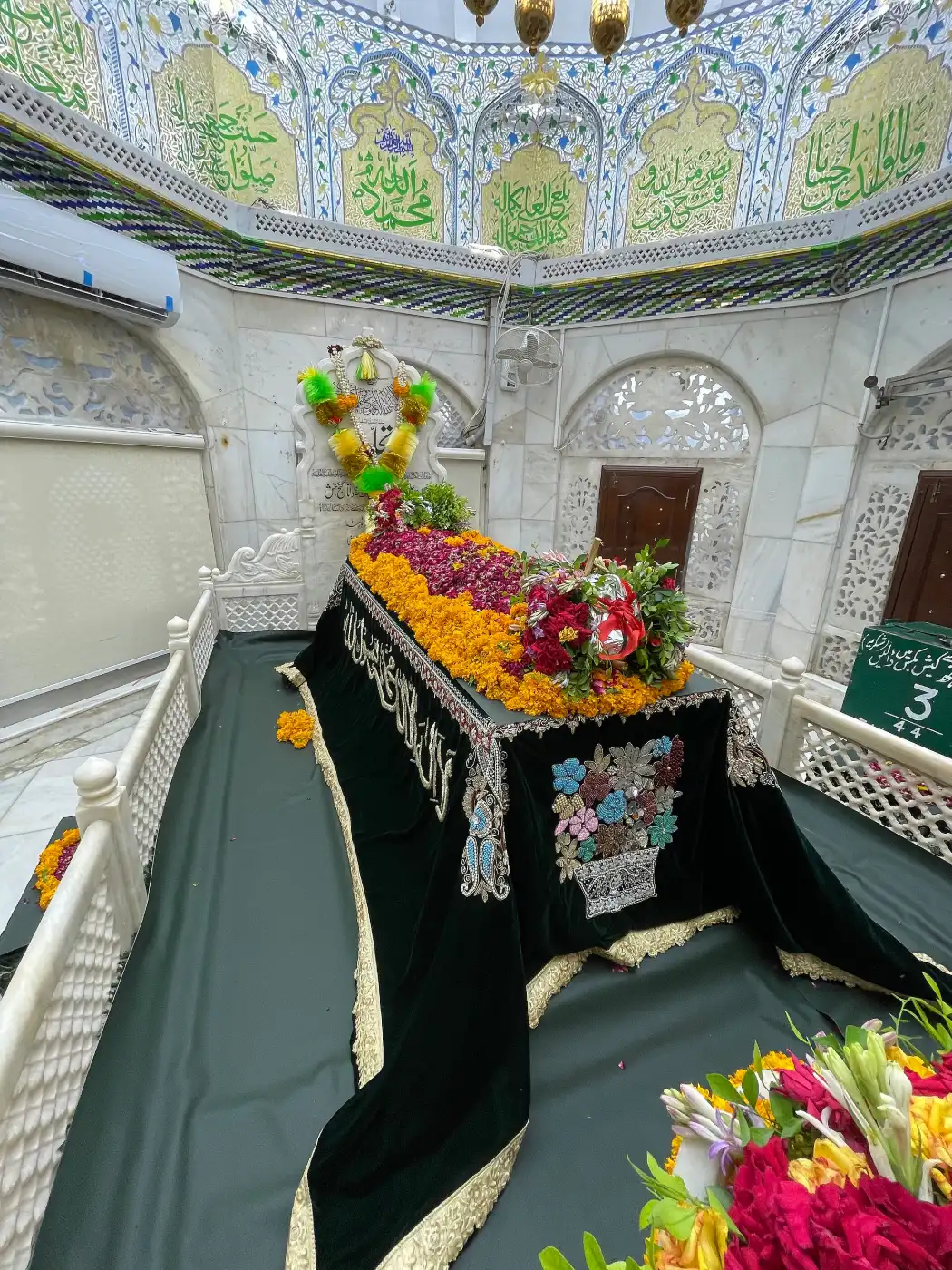
Photo Credit: Shuhid23334, CC0, via Wikimedia Commons
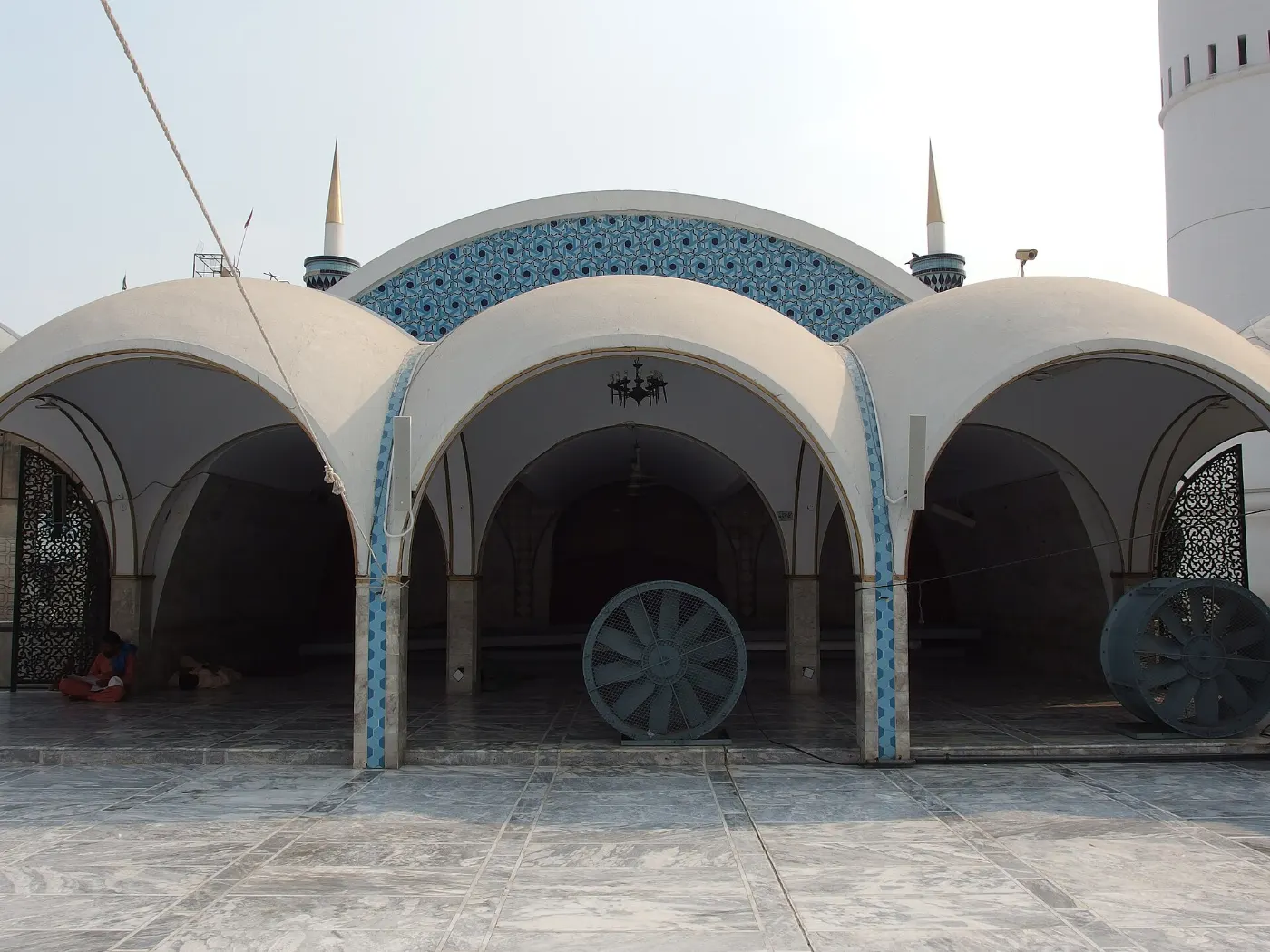
Photo Credit: Guilhem Vellut from Annecy, France, CC BY 2.0, via Wikimedia Commons
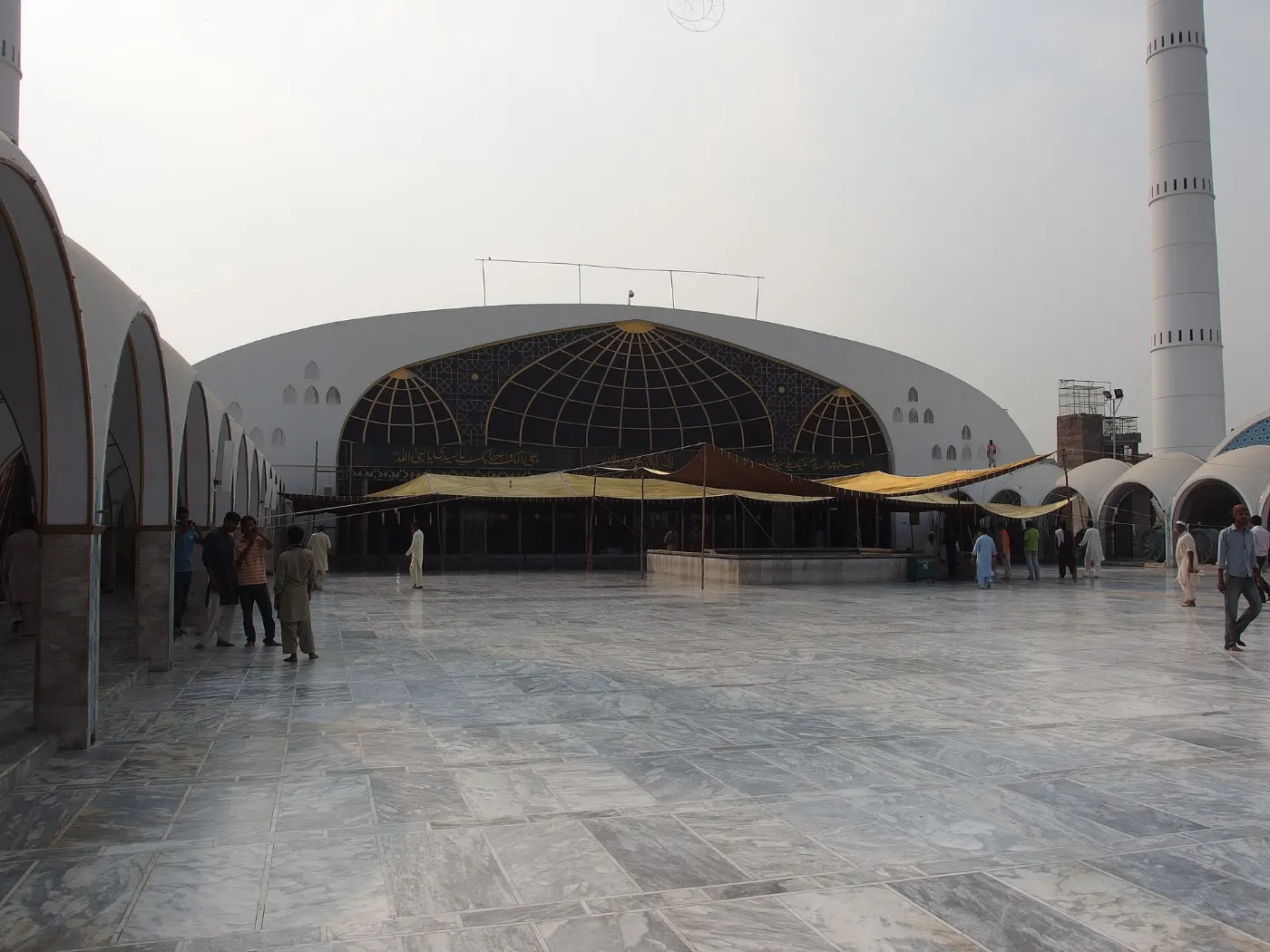
Photo Credit: Guilhem Vellut from Annecy, France, CC BY 2.0, via Wikimedia Commons
The Famous Langar
Nobody leaves Data Darbar hungry. Feeding visitors here is a tradition that goes back around a thousand years, and on busy days up to 50,000 people are served free food. The langar is paid for by ordinary people. Someone whose prayer was answered sends a deg of rice or channay, someone else donates money, and many simply come to help serve.
Rich and poor sit side by side and eat the same food, and that is a big part of what makes this place special. If you want to contribute, give through the shrine’s official counters rather than to people collecting money on the street.
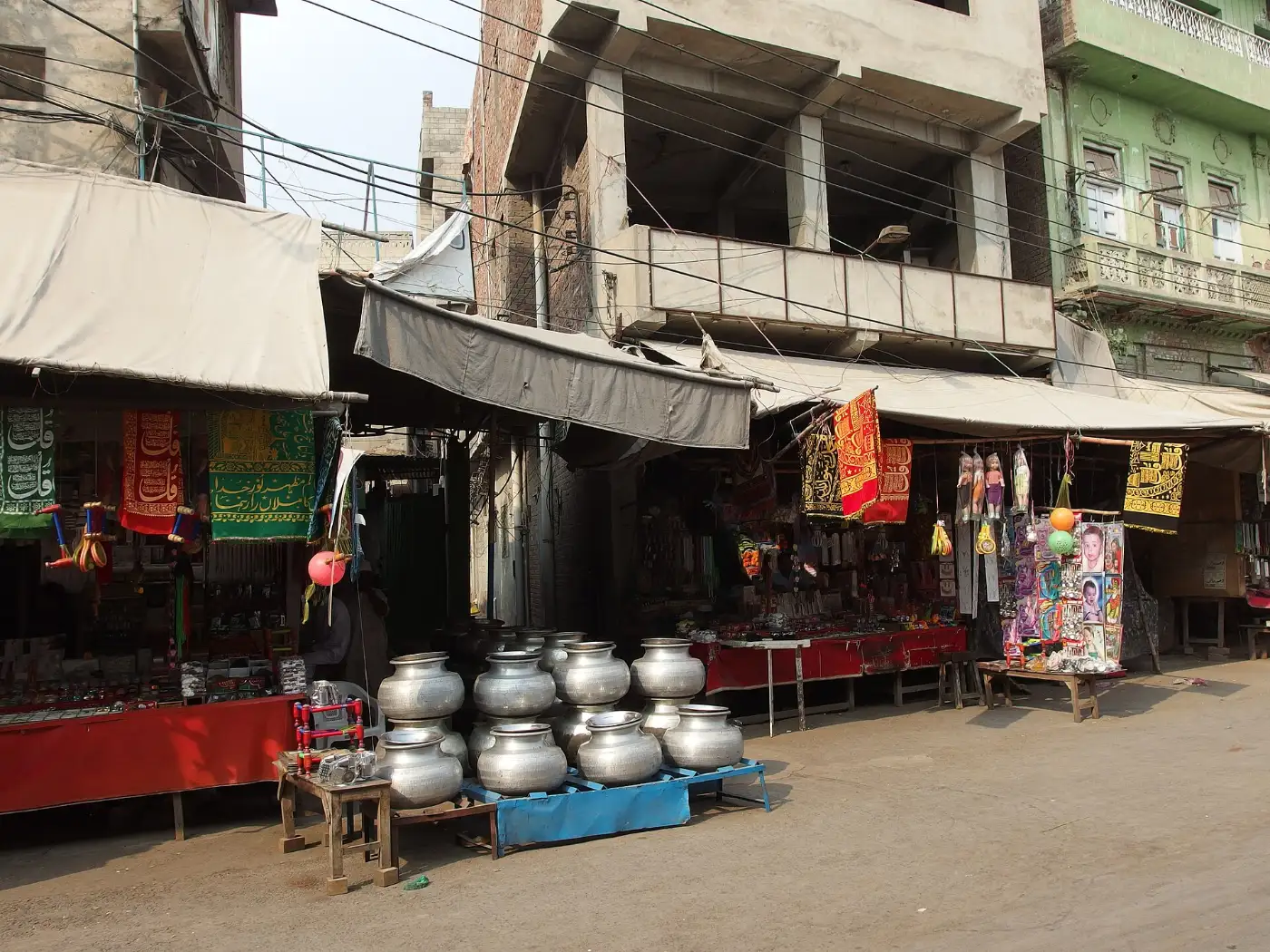
Photo Credit: Guilhem Vellut from Annecy, France, CC BY 2.0, via Wikimedia Commons
Thursday Nights and the Urs
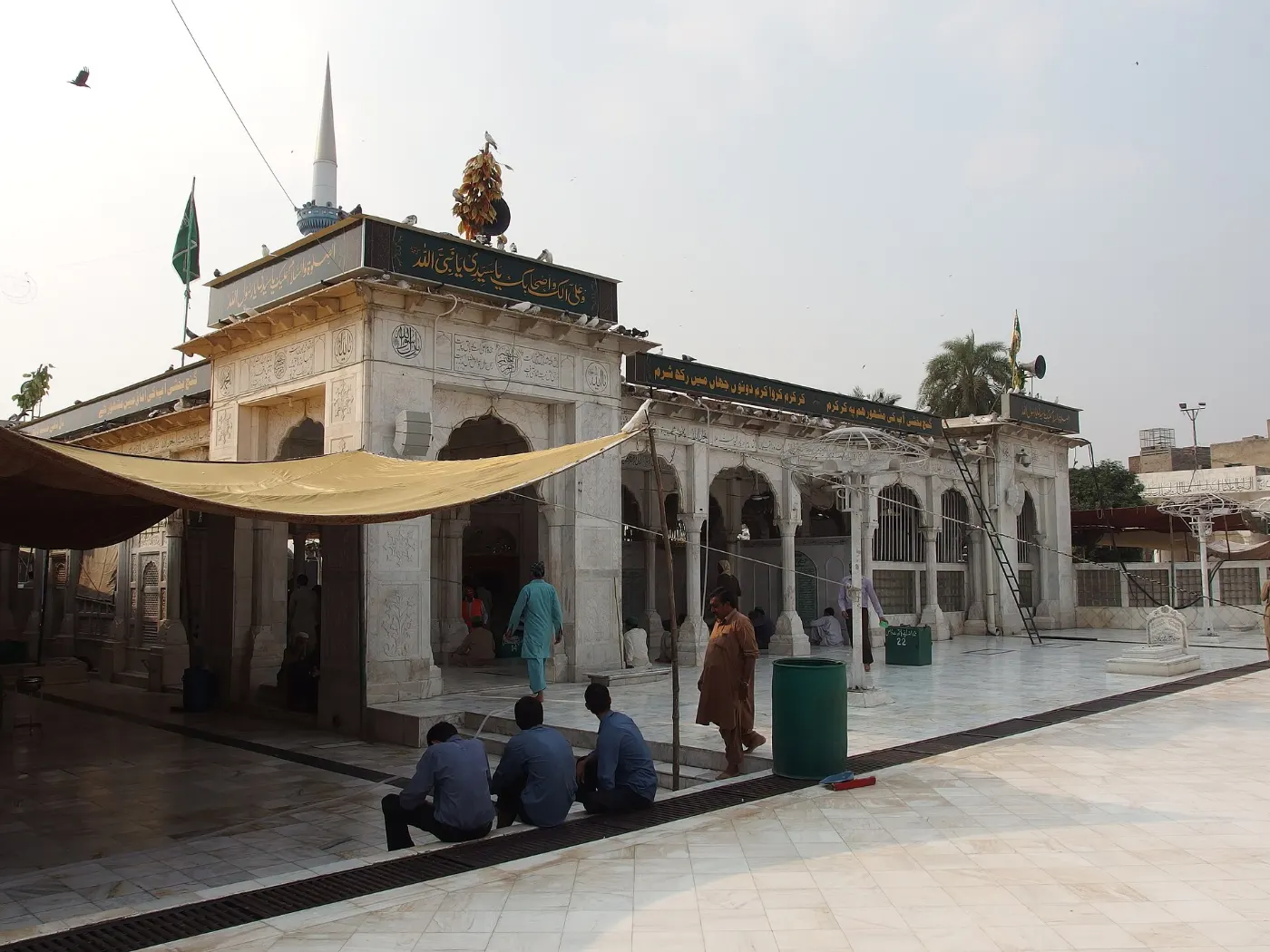
Photo Credit: Guilhem Vellut from Annecy, France, CC BY 2.0, via Wikimedia Commons
Thursday evening is the traditional night for visiting shrines, so this is when Data Darbar is at its busiest and most alive. Qawwals sing, people recite the Quran and naats around the edges of the courtyard, and the crowd can easily double.
The biggest event of the year is the Urs, the anniversary of Data Sahib’s passing, held every year over three days. Huge crowds come from all over Pakistan, the shrine is lit up, a milk sabeel is set up for visitors, and the langar runs non-stop.
Visitor Information
- Location: Data Darbar Road, near Bhati Gate and Lower Mall, at the edge of the Walled City of Lahore.
- Timings: Open 24 hours, every day of the year.
- Entry fee: Free.
- Time needed: 45 minutes to an hour, longer on Thursday evenings.
- Best time: Early morning if you want calm, Thursday evening if you want qawwali and atmosphere.
- Dress code: Wear modest clothes. Women should cover their heads, and men often wear a cap. Shoes come off before you step onto the marble, so use the shoe counter.
- Women: Women are welcome, and there are separate areas for them near the tomb. Follow the signs and the staff.
- Security: Expect walk-through gates and bag checks at the entrances. Leave large bags at home.
- Photography: Photos in the courtyard are usually fine. Be respectful, and do not photograph people praying without their permission.
- Accessibility: The courtyard is wide and flat, but heavy crowds on Thursdays and during the Urs make it hard for wheelchair users and the elderly.
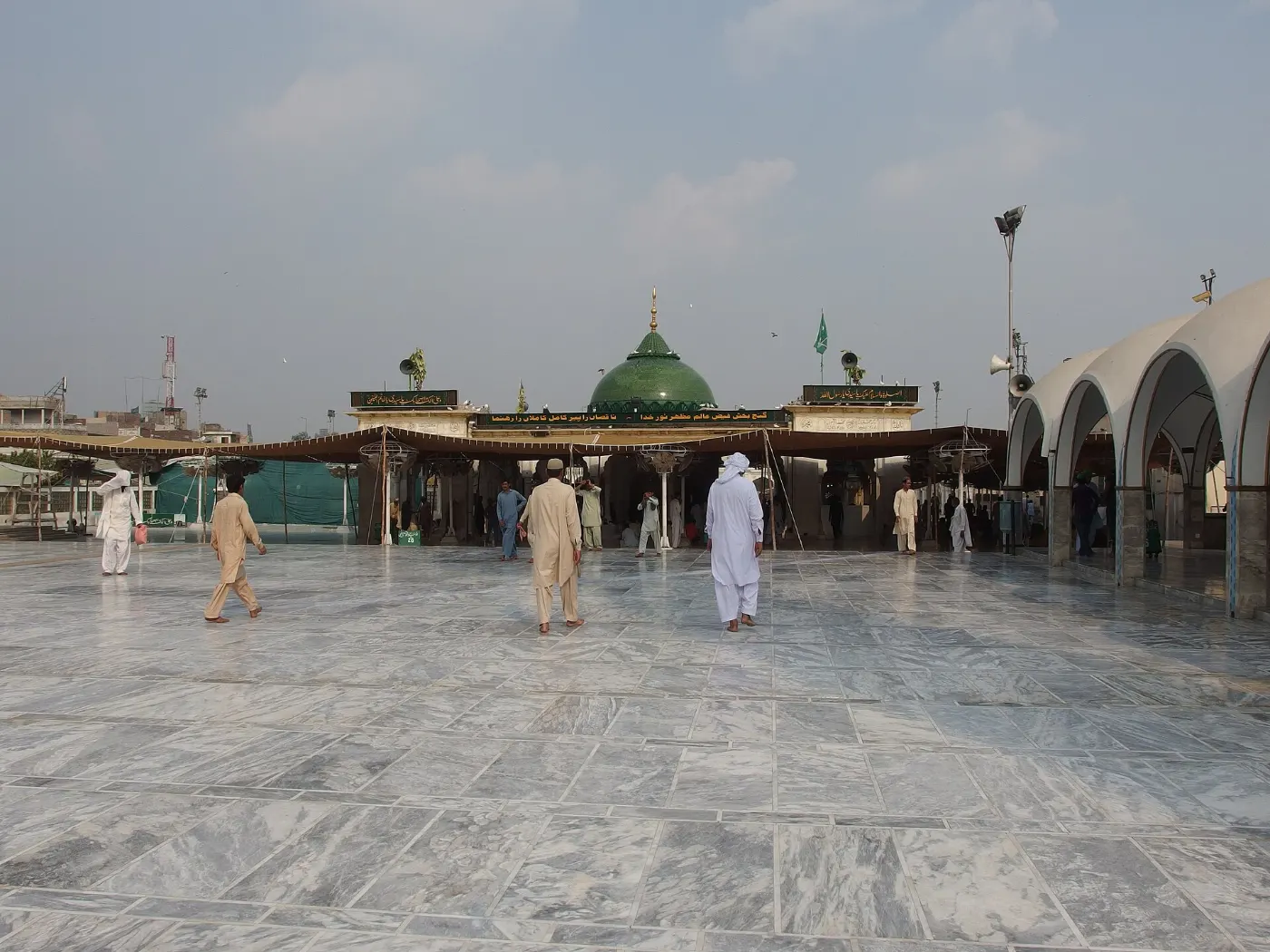
Photo Credit: Guilhem Vellut from Annecy, France, CC BY 2.0, via Wikimedia Commons
How to Get to Data Darbar
By Metro Bus: The Lahore Metro Bus stops at Bhatti Chowk station, right next to the shrine. It is the easiest way to get here from Kalma Chowk, Model Town, Ichhra or Shahdara.
By rickshaw, car or ride-hailing: Just say “Data Darbar” and every rickshaw, Careem, inDrive or Yango driver will know. Traffic around Bhatti Chowk can be heavy, especially on Thursdays and Fridays, so give yourself extra time.
Map: Open Data Darbar in Google Maps for live directions.
Places to See Nearby
- Bhati Gate and Faqir Khana Museum: Just across the road. Walk through Bhati Gate into the old city and visit Faqir Khana, a private museum in an old haveli full of paintings, manuscripts and antiques.
- Masjid Wazir Khan: The most colourful Mughal mosque in Lahore, about 15 minutes away inside the Walled City.
- Lahore Fort, Badshahi Mosque and Minar-e-Pakistan: All within a short rickshaw ride.
- Anarkali Bazaar: Lahore’s oldest market, close by for shopping and street food.
- Gawalmandi Food Street: A good choice for a Lahori dinner after your visit.
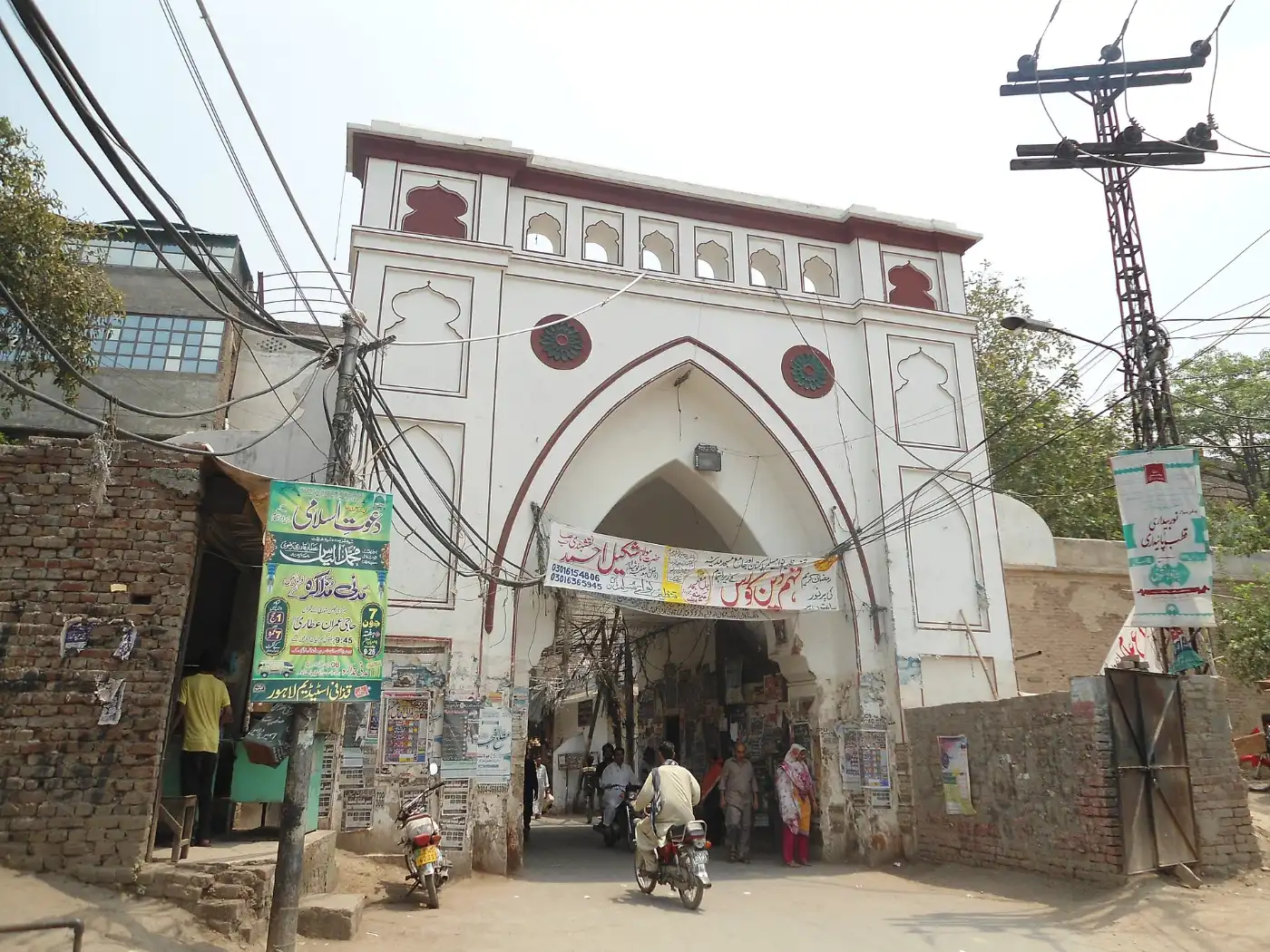
Photo Credit: Amna 1212, CC BY-SA 3.0, via Wikimedia Commons
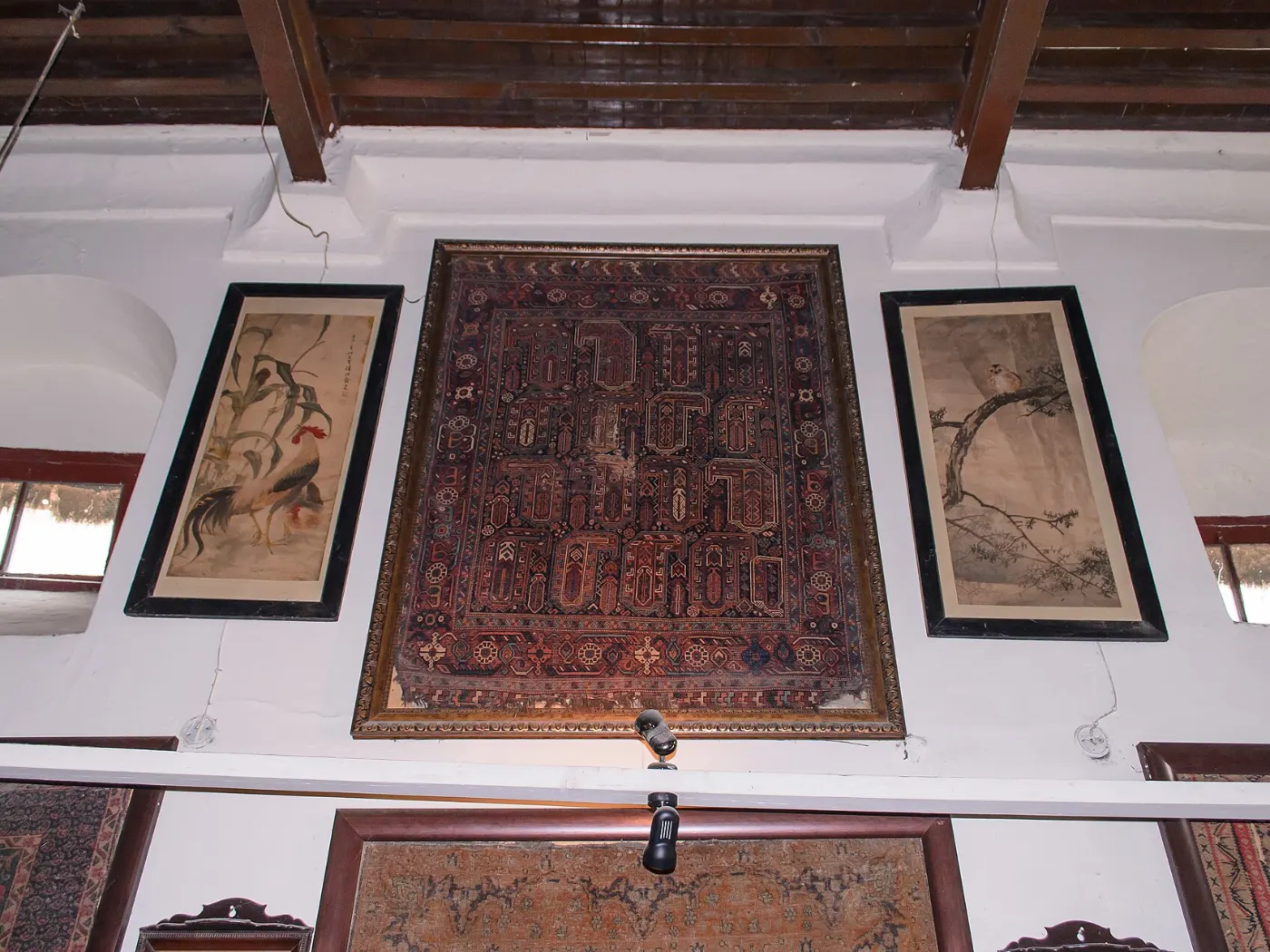
Photo Credit: Faizanahmad, CC BY-SA 4.0, via Wikimedia Commons
Tips for Visitors
- Keep your shoe token safe: You will need it to get your shoes back.
- Carry small change: Handy for the shoe counter or if you want to give charity.
- Watch your phone and wallet: Crowds are big, especially on Thursdays and during the Urs.
- Carry a dupatta or scarf: Women will need one to cover their heads.
- Do not walk in front of people praying: Go around them, and keep your voice low near the tomb.
- Accept the langar with respect: If someone offers you food, it is considered a blessing.
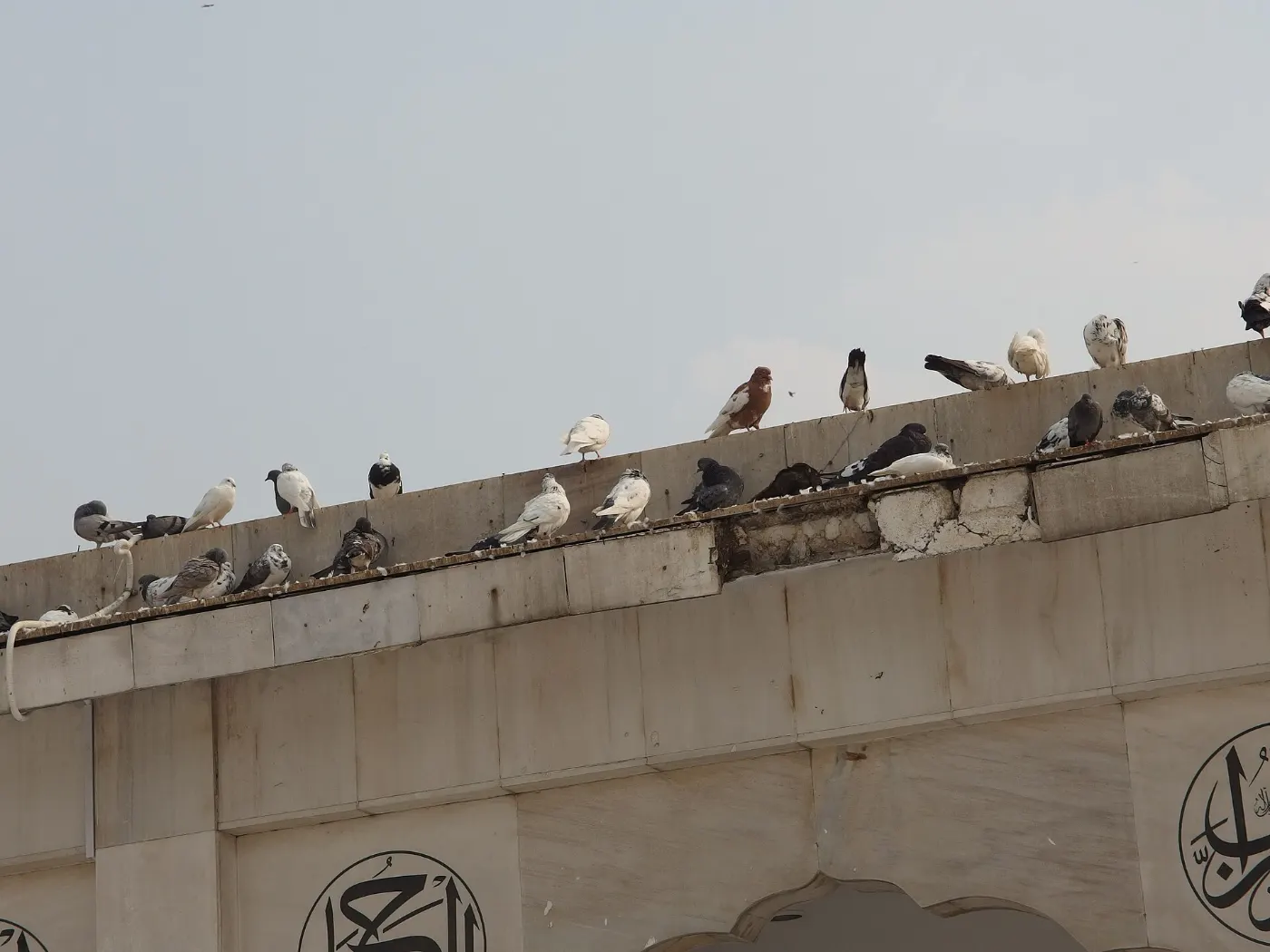
Photo Credit: Guilhem Vellut from Annecy, France, CC BY 2.0, via Wikimedia Commons
Frequently Asked Questions
Is Data Darbar open 24 hours?
Yes, the shrine is open day and night, every day of the year.
Is there an entry fee at Data Darbar?
No, entry is completely free.
When is the Urs of Data Ganj Bakhsh?
The Urs is held every year over three days, with special prayers, qawwali, lights and langar.
Can non-Muslims visit Data Darbar?
Yes. Visitors of all faiths are welcome. Just dress modestly and be respectful.
Can women visit Data Darbar?
Yes. Women visit every day, and there are separate areas for them near the tomb.
Which Metro Bus station is closest to Data Darbar?
Bhatti Chowk station, right next to the shrine.
Final Word
Data Darbar is not a monument you look at from behind a rope. It is a living place, full of prayers, food, music and noise, and it has been like this for nearly a thousand years. Go with an open heart, sit on the marble for a while, eat a plate of langar if someone offers it, and you will understand why so many Lahoris call it the spiritual home of their city.
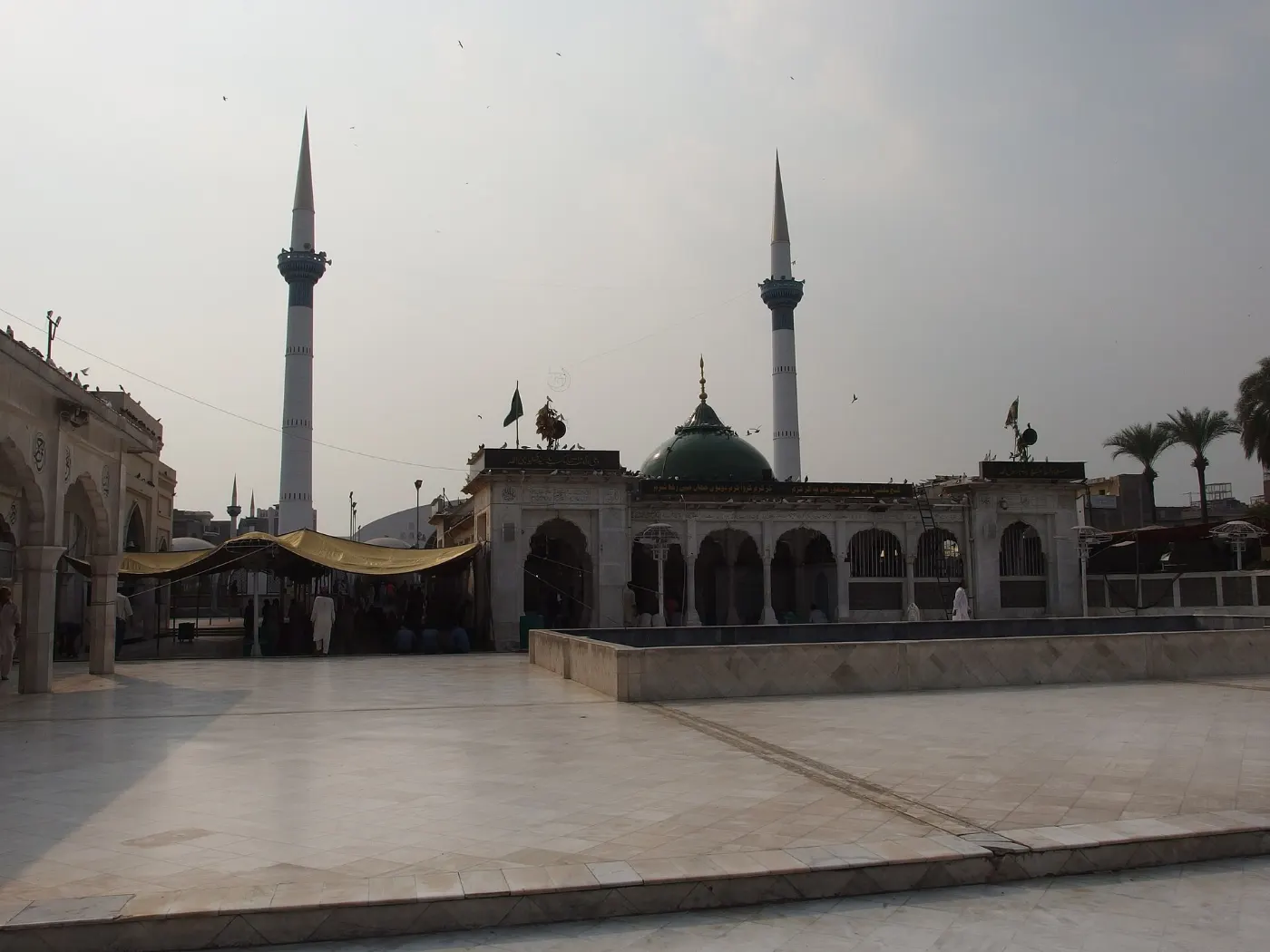
Photo Credit: Guilhem Vellut from Annecy, France, CC BY 2.0, via Wikimedia Commons