Step through Delhi Gate into the old city of Lahore, walk a few steps, and you will find a low brick building on your right. From the outside, it honestly looks plain. However, inside the Shahi Hammam in Lahore, every dome and wall is covered in Mughal paintings, from winged angels to vases full of flowers.
In short, this is the royal bathhouse that Wazir Khan built almost 400 years ago. In fact, it is one of the very few Mughal hammams left anywhere in South Asia. So, in this guide, we will first look at its history and how the baths worked. After that, we will share what to see inside and everything you need for your visit.
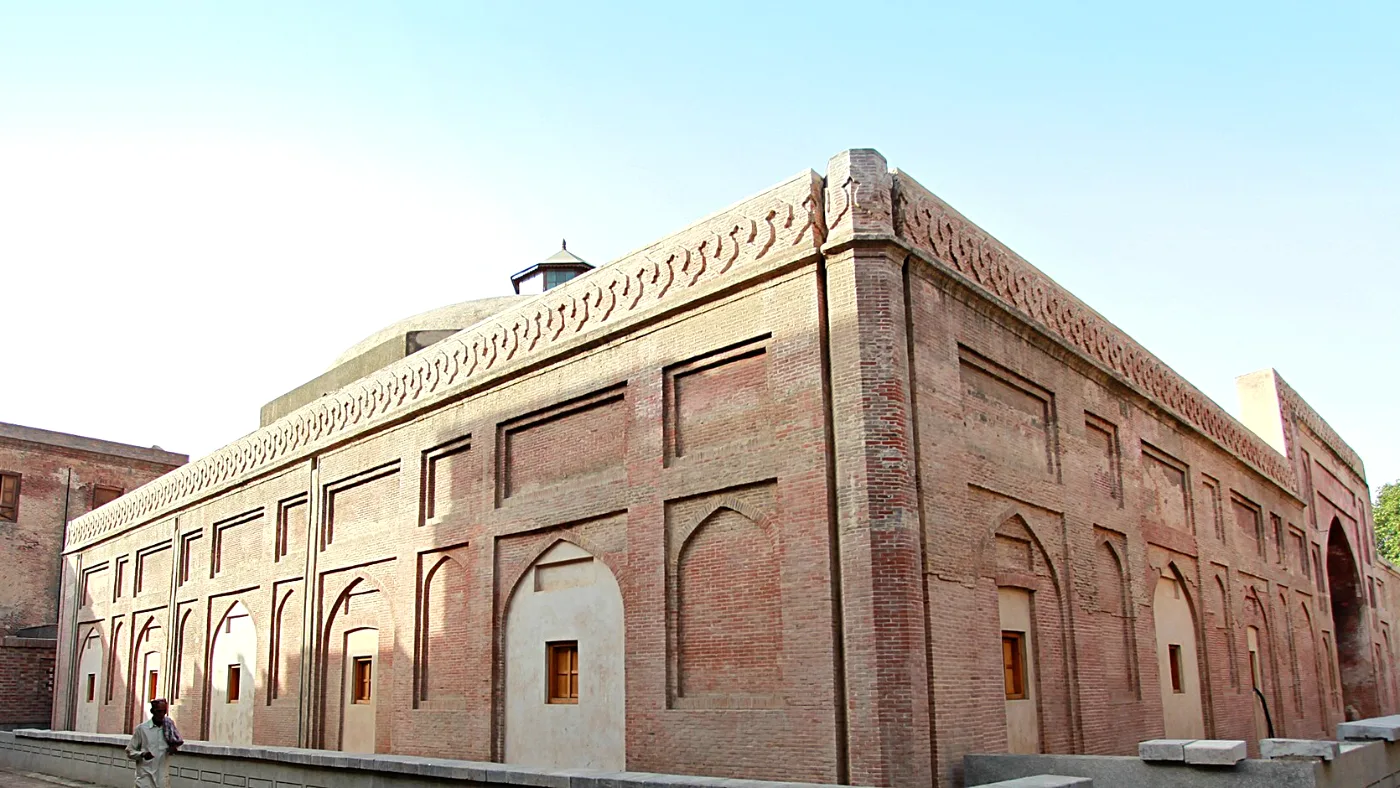
Photo Credit: The Walled City of Lahore Authority, CC BY-SA 4.0, via Wikimedia Commons
History of Shahi Hammam
Ilam-ud-din Ansari, better known as Wazir Khan, was a physician at the Mughal court and later the governor of Lahore. In 1635, during the reign of Shah Jahan, he built this public bathhouse just inside Delhi Gate.
Besides this, he also built the famous Masjid Wazir Khan a short walk away. In fact, the hammam was part of the mosque’s endowment. Its income helped pay for the upkeep of the mosque.
At the time, travellers and traders entered the city through Delhi Gate. So, a bath right at the entrance made perfect sense. As a result, people could wash off the dust of the road, relax and meet friends.
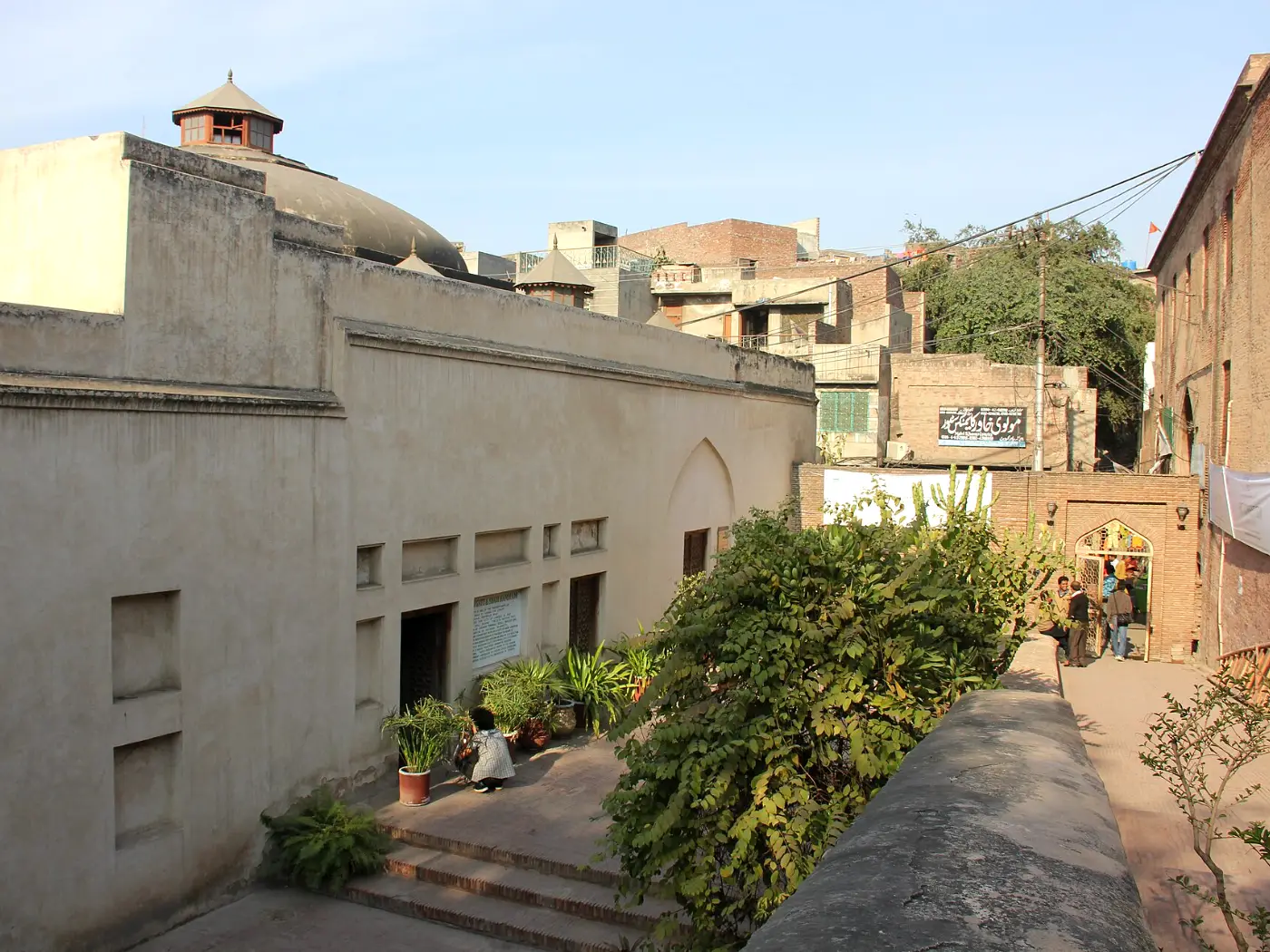
Photo Credit: Lime.adeel, CC BY-SA 3.0, via Wikimedia Commons
Centuries of Neglect
Later, as Mughal power faded in the 18th century, the baths fell out of use. Then, under the British, the building became a school, a dispensary and even a municipal office. Meanwhile, shops were built into its outer walls, and parts of the old structure were lost.
How the Royal Bath Worked
The Shahi Hammam follows the Persian style of bathing. First, visitors moved slowly from one room to the next, each one warmer than the last. At the same time, light came in through small openings in the ceilings, which also let the steam escape.
The Three Main Sections
- Jama khana: the dressing and changing area, where bathers left their clothes.
- Nim garm: the warm rooms, to get used to the heat.
- Garm: the hot rooms, full of steam.
In addition, the building had separate sections for men and women, a reception hall and a small prayer room.
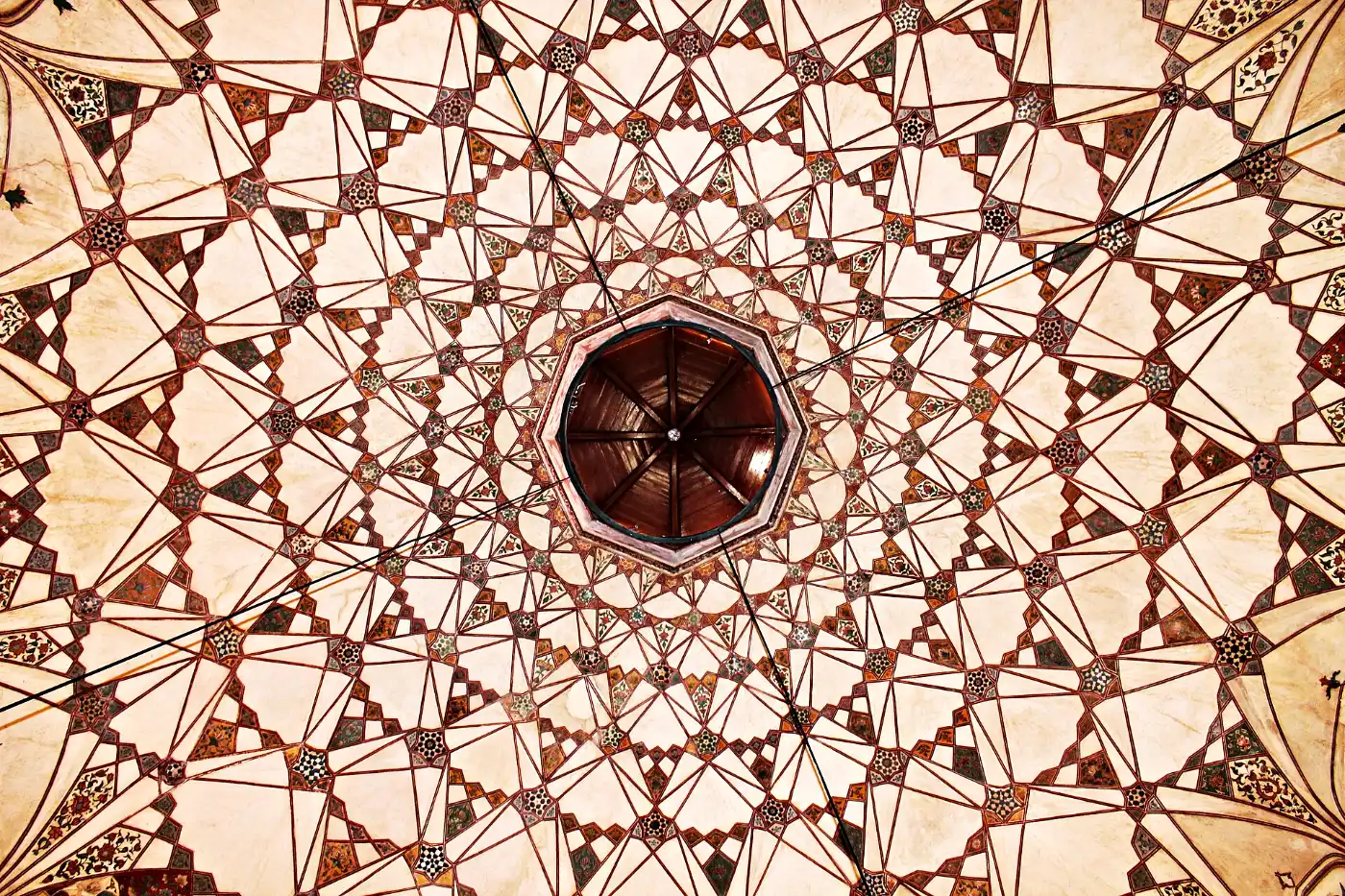
Photo Credit: Shabi Abdullah, CC BY-SA 4.0, via Wikimedia Commons
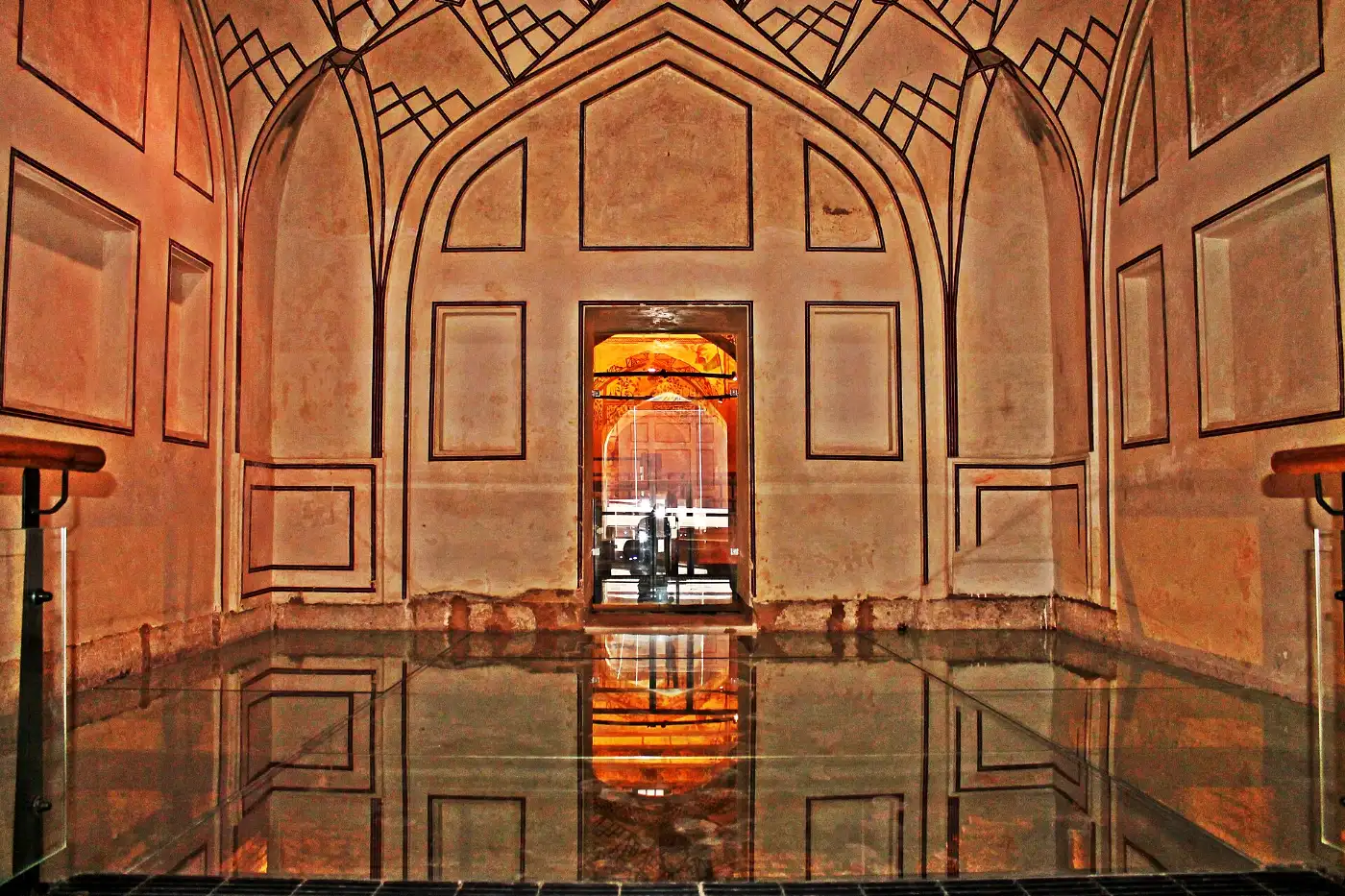
Photo Credit: Shabi Abdullah, CC BY-SA 4.0, via Wikimedia Commons
Mughal Engineering Under Your Feet
However, the most interesting part is below the floor. During restoration, workers uncovered the old water tanks, drains and a heating system under the floor. Then, fires heated the air and water below, so the rooms above stayed warm. Now, you can see these remains under glass panels and from raised walkways.
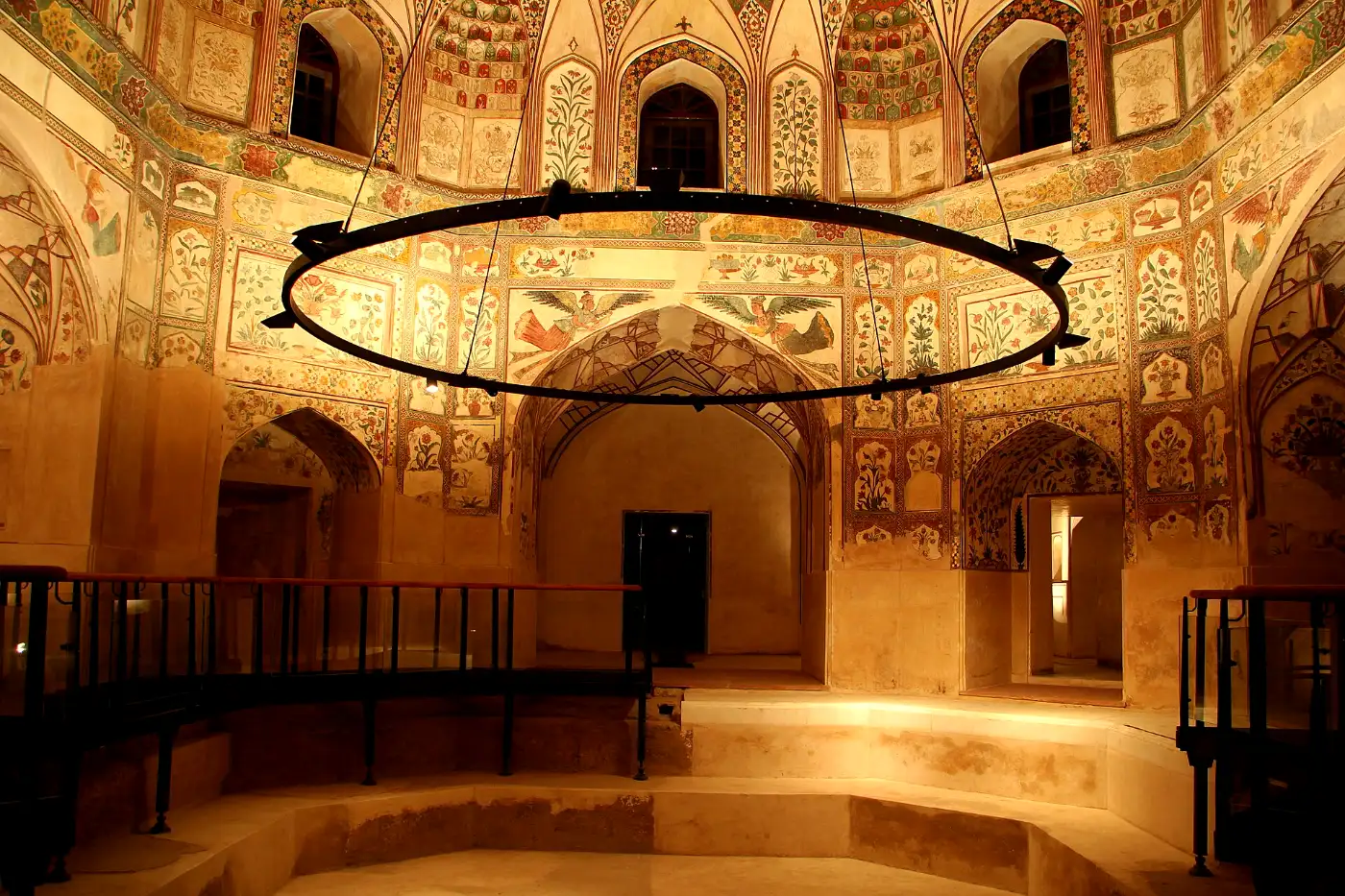
Photo Credit: The Walled City of Lahore Authority, CC BY-SA 4.0, via Wikimedia Commons
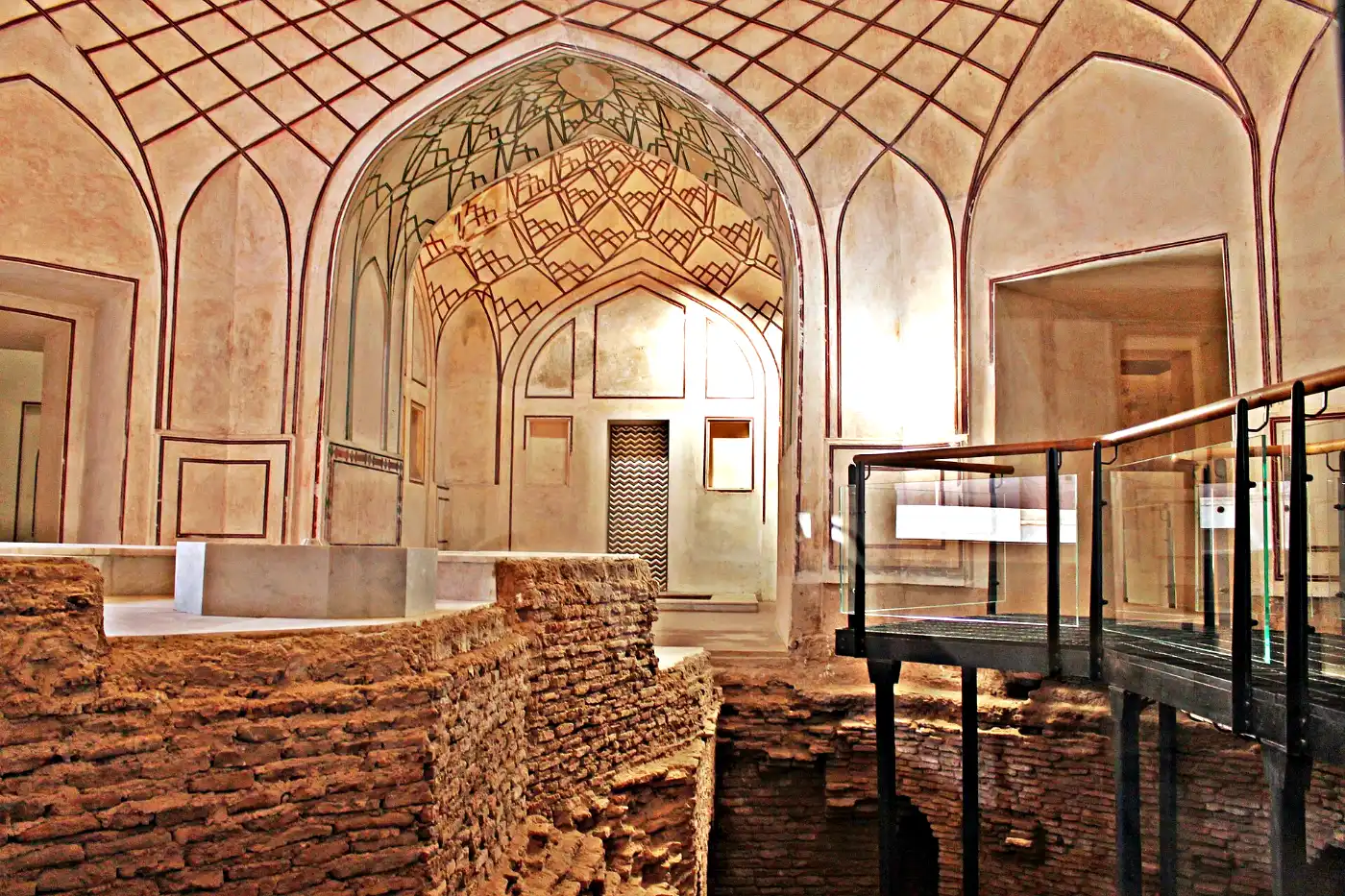
Photo Credit: Shabi Abdullah, CC BY-SA 4.0, via Wikimedia Commons
The Frescoes
Paintings of the Shahi Hammam Lahore
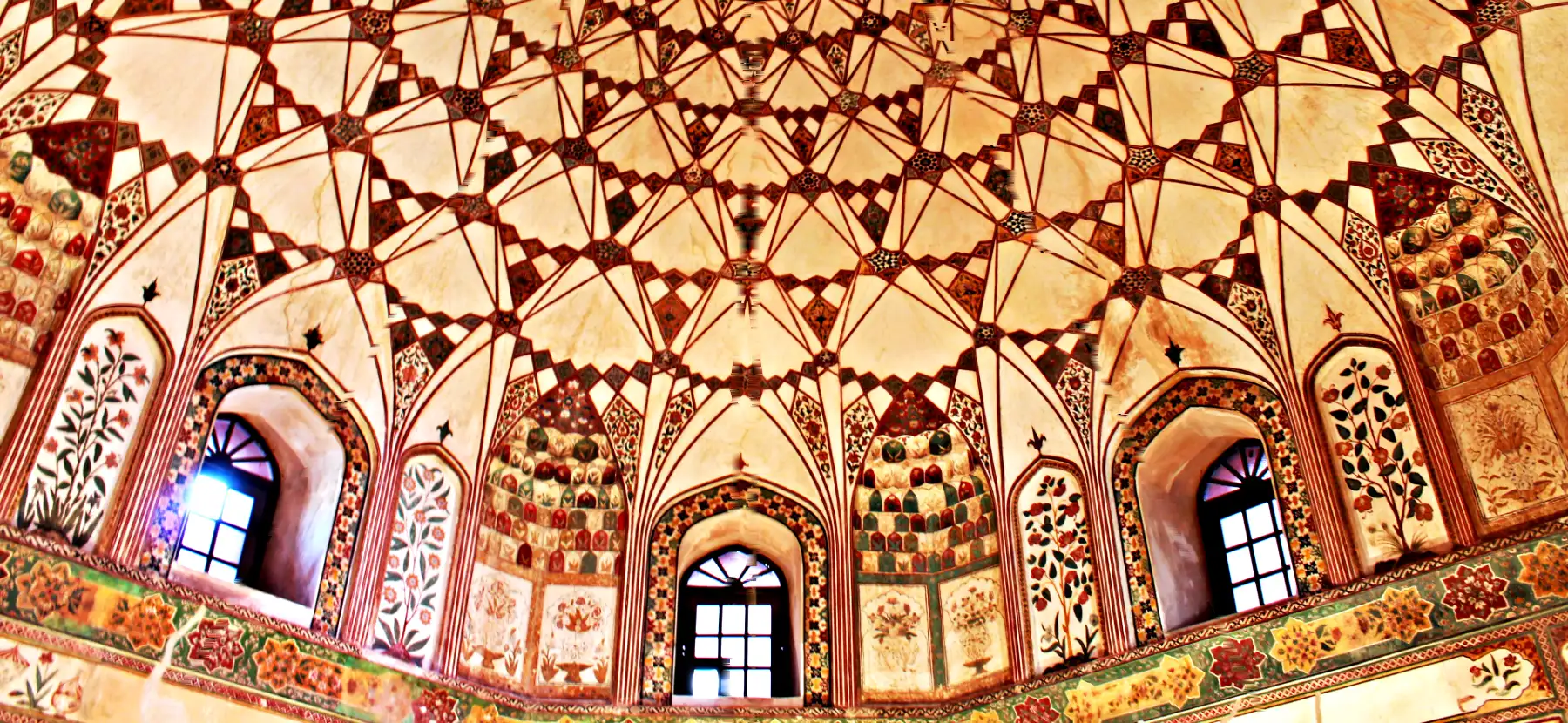
First of all, look up as soon as you walk in. The domes are covered in star-shaped patterns, and the walls show flowers, vases, birds and even winged angels. In fact, many of these paintings are original Mughal work, almost 400 years old.
For example, the central dome has a lantern at the top and a web of painted lines that spreads out like a star. Meanwhile, the side walls are full of small panels, each with its own flower design. So, take your time and walk slowly. Every corner has something new to see.
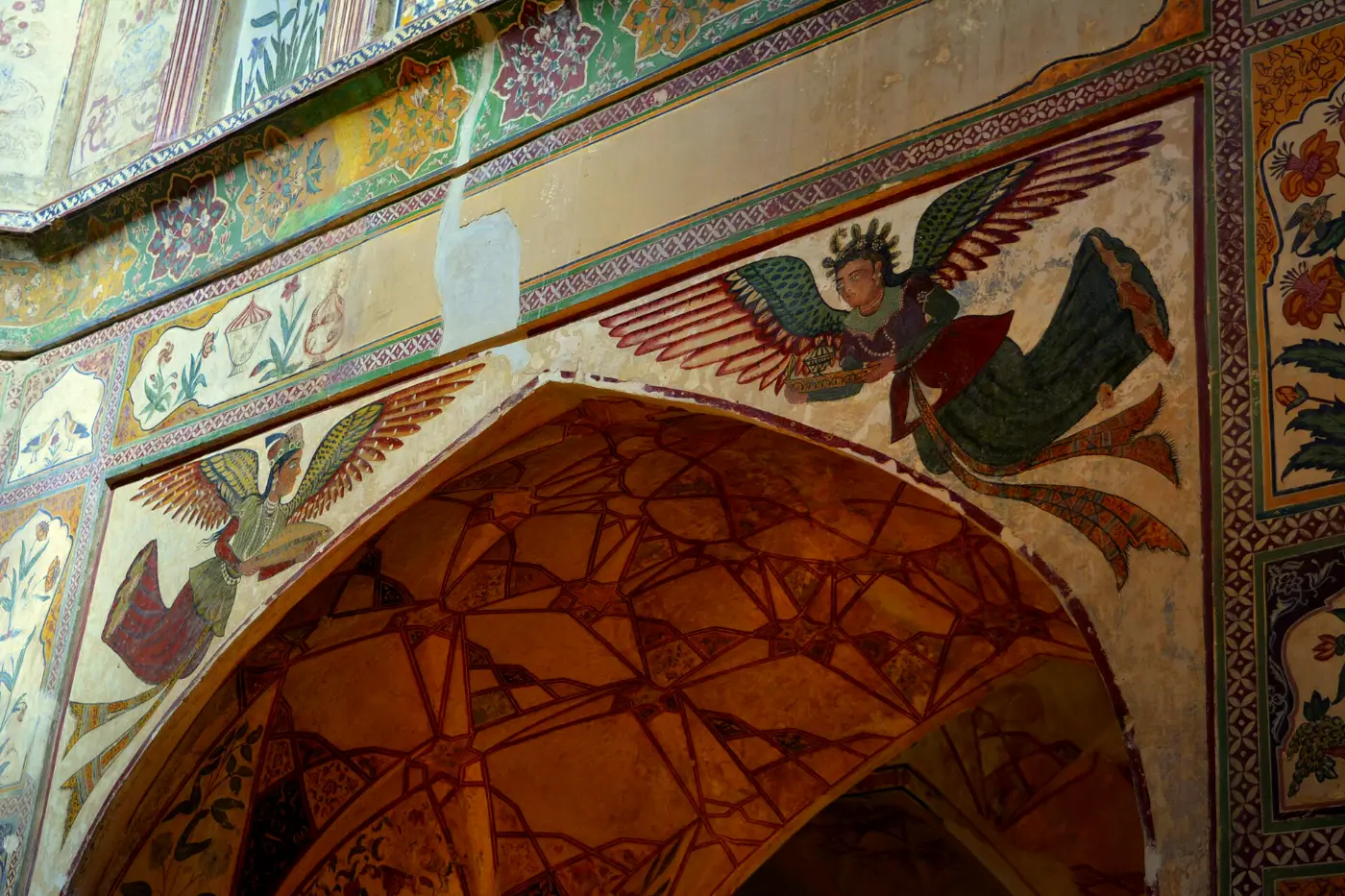
Photo Credit: The Walled City of Lahore Authority, CC BY-SA 4.0, via Wikimedia Commons
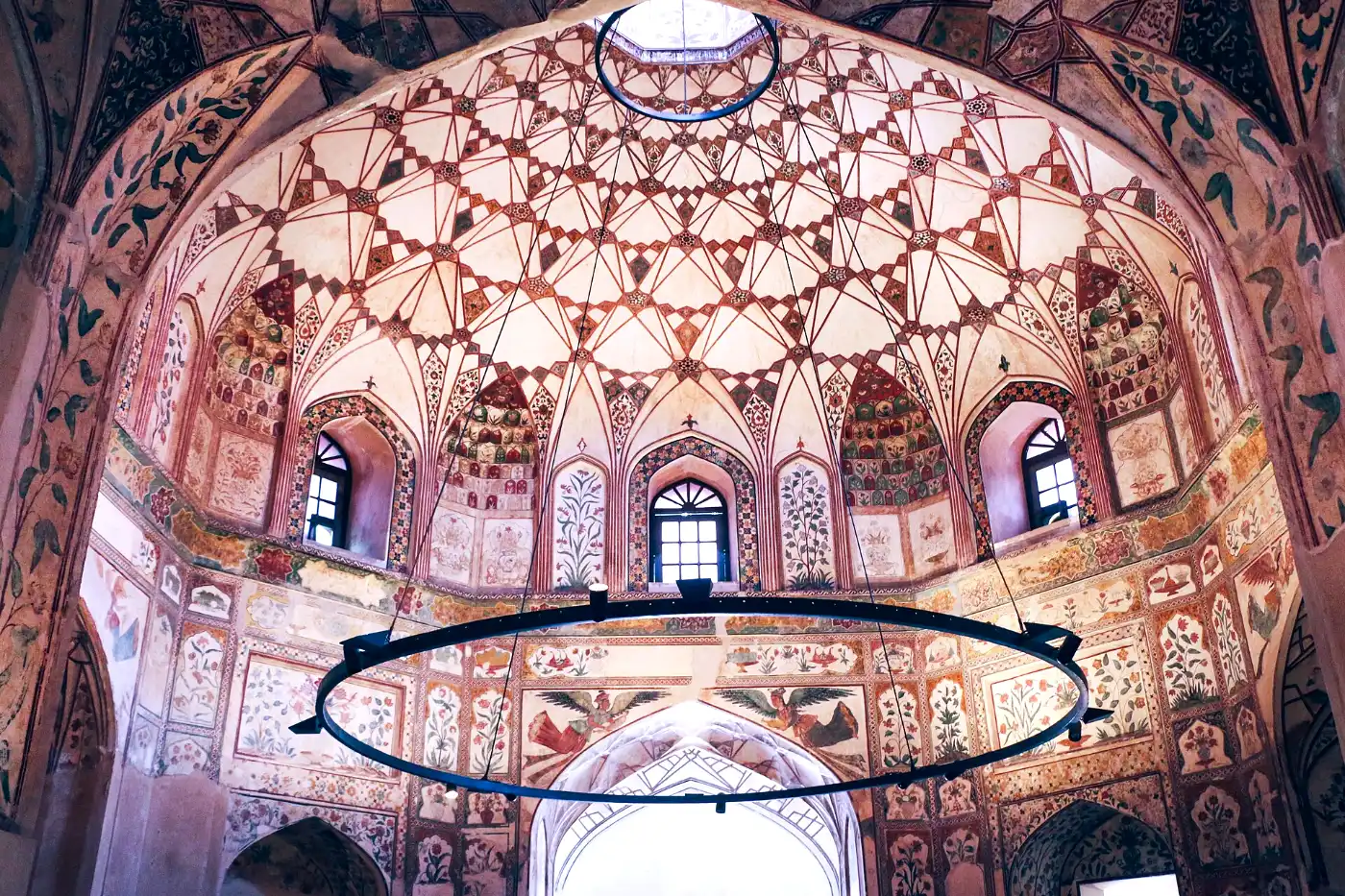
Photo Credit: Kumail Hasan, CC BY-SA 4.0, via Wikimedia Commons
Colours and Small Details
The colours are soft reds, greens, yellows and blues. Of course, some panels are faded, while others still look bright. In fact, the restoration team cleaned and protected them without repainting, so what you see is mostly the real thing.
Also, try to spot the tiny details: a bird on a branch, a fruit bowl, or a pattern that repeats across a whole dome. Altogether, these small things make the hammam special.
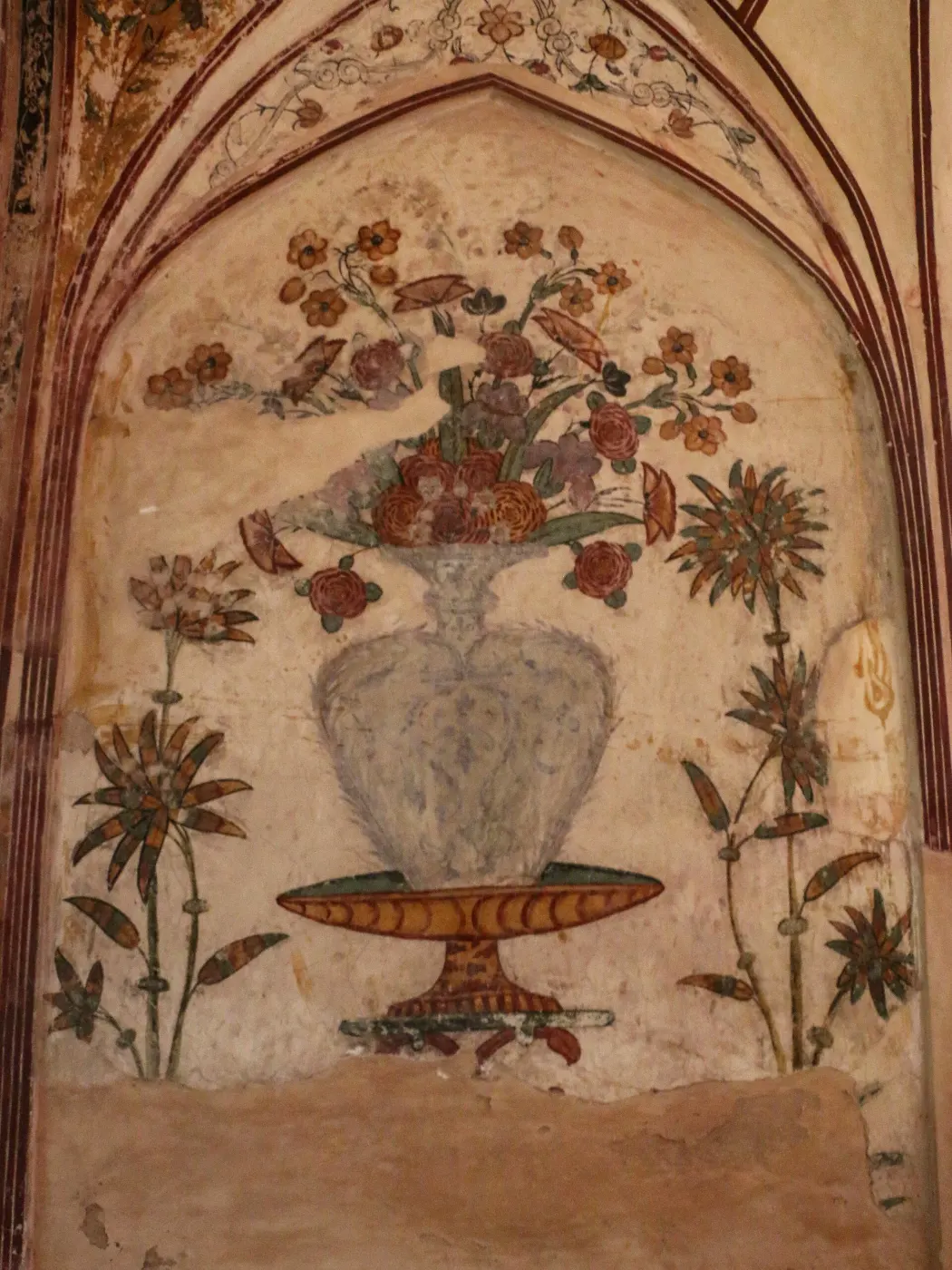
Photo Credit: Kumail Hasan, CC BY-SA 4.0, via Wikimedia Commons
Restoration and Award
By the 2000s, the hammam was in poor shape. Then, between 2013 and 2015, the Aga Khan Trust for Culture and the Walled City of Lahore Authority restored it, with much of the funding from the government of Norway.
First, the team removed the shops built into its walls, repaired the structure and carefully cleaned the frescoes. After that, they dug down to the original floor levels and found the old water and heating channels.
A UNESCO Award
As a result, in 2016, UNESCO gave the project an Award of Merit in its Asia-Pacific Awards for Cultural Heritage Conservation. Today, the Walled City of Lahore Authority runs the site, and it is open to visitors.
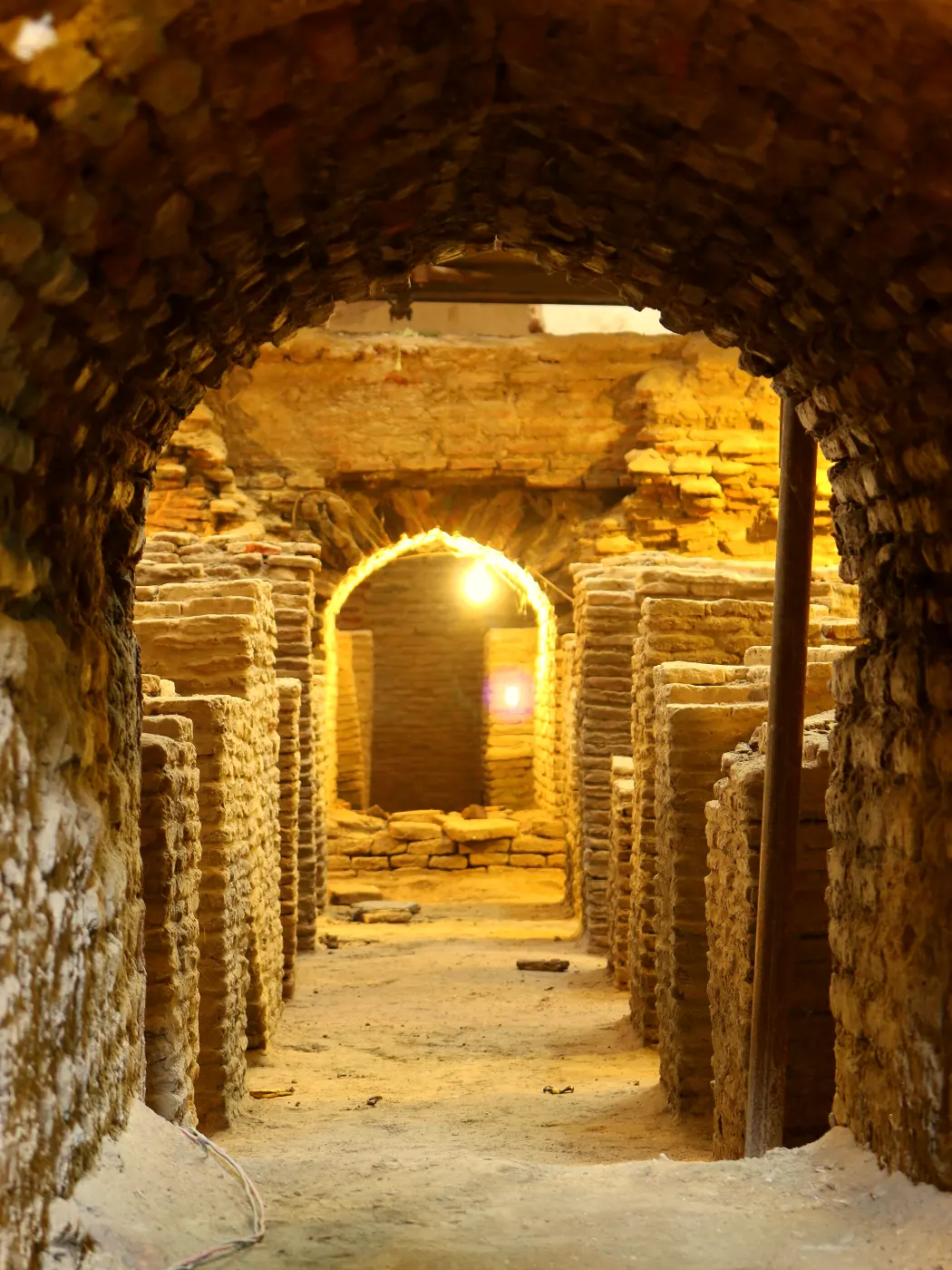
Photo Credit: The Walled City of Lahore Authority, CC BY-SA 4.0, via Wikimedia Commons
Things to Do
What to Do Inside
- Walk the glass floors: Stand above the old baths and see how the water and heat once flowed.
- Read the displays: Panels around the building explain each room and how the hammam worked.
- Photograph the domes: Stand in the middle of a room and look straight up for the best shots.
- Have tea in the courtyard: There is a small cafe inside, so you can rest before exploring more of the old city.
- Take a heritage tour: Punjab’s tourism department runs a Delhi Gate heritage tour on weekends that includes the hammam. Check current timings before you go.
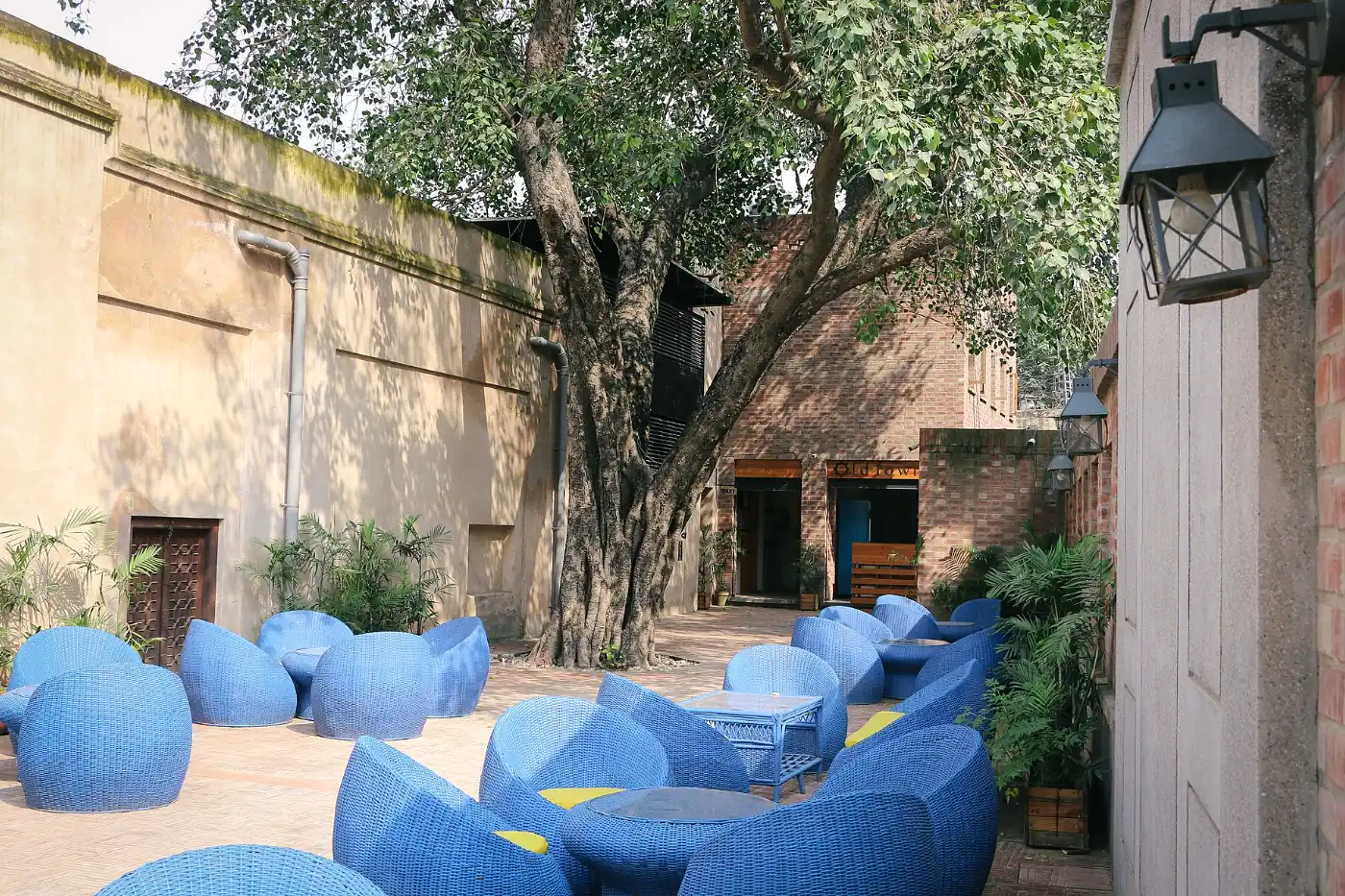
Photo Credit: Kumail Hasan, CC BY-SA 4.0, via Wikimedia Commons
Visitor Information
Timings and Tickets
- Location: Just inside Delhi Gate, Walled City of Lahore, on the Shahi Guzargah (Royal Trail) that leads to Lahore Fort.
- Timings: Open daily during the day. However, timings can change, so check with the Walled City of Lahore Authority before you go.
- Tickets: There is a small entry fee for Pakistanis, while foreign visitors pay more. Check the Walled City of Lahore Authority for current rates.
- Time needed: About 45 minutes to an hour.
Good to Know Before You Go
- Best time: Morning, before the bazaar around Delhi Gate gets crowded. Also, the building stays cool on hot days.
- Families: Great for children and students, who usually love the glass floors.
- Photography: Usually fine for personal photos. Still, ask the staff if you are unsure, especially before using a tripod.
- Accessibility: Some floors and walkways are uneven, and the old city streets are narrow. So, elderly visitors should take it slowly.
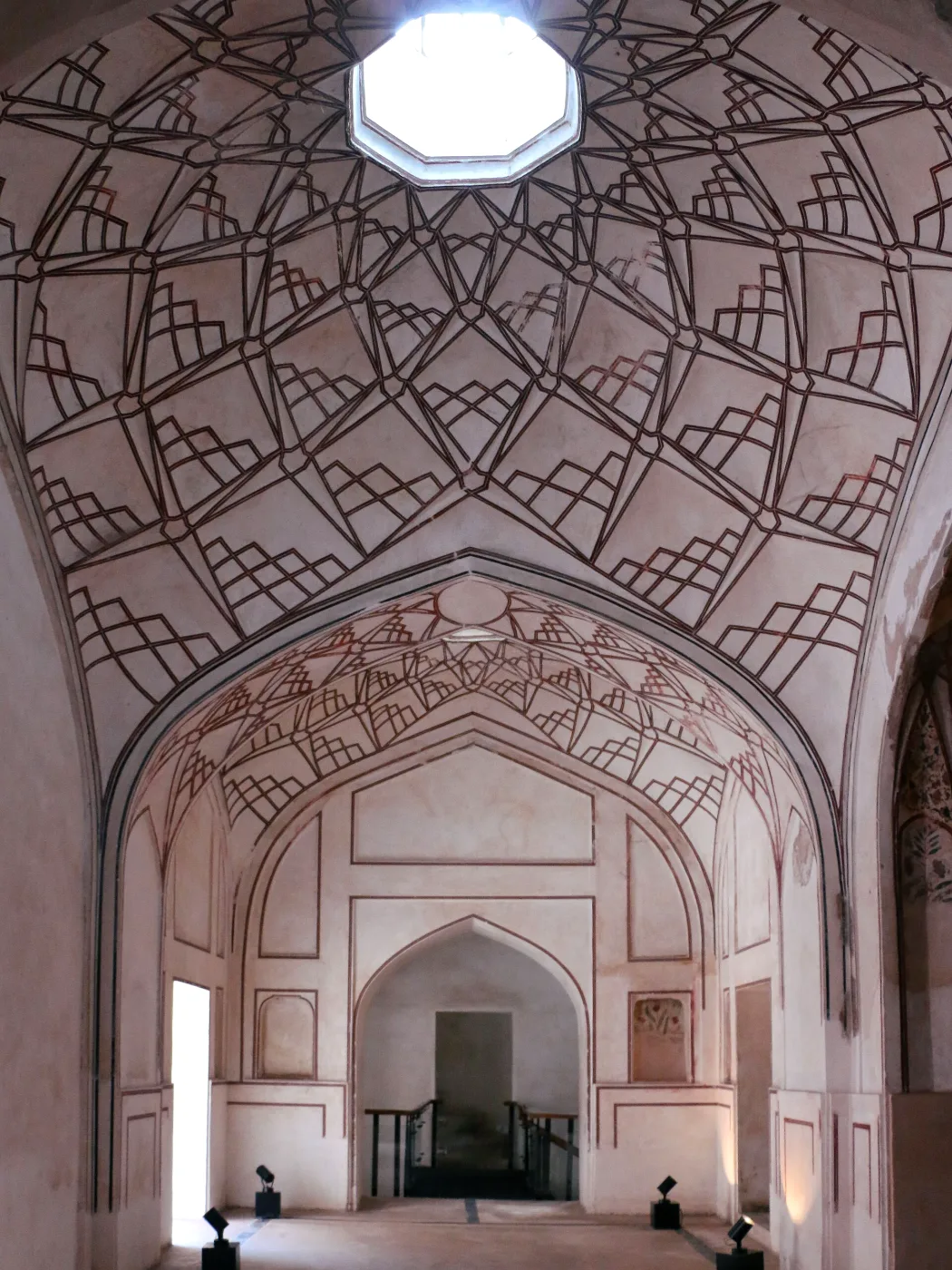
Photo Credit: Kumail Hasan, CC BY-SA 4.0, via Wikimedia Commons
How to Get to Shahi Hammam
By rickshaw or ride-hailing: Ask for “Delhi Gate, Circular Road”. Careem, inDrive and Yango can all drop you right outside the gate. Then, simply walk through Delhi Gate, and the hammam is just a minute’s walk ahead.
By car: Parking near Delhi Gate is very limited because Circular Road is busy. So, it is easier to park a little away and take a rickshaw for the last part.
Map: Open Shahi Hammam in Google Maps for live directions.
Places to See Nearby
Since the hammam is the first stop on the Royal Trail, there is a lot to see nearby:
- Delhi Gate: One of the 13 old gates of Lahore. The bazaar behind it is busy all day.
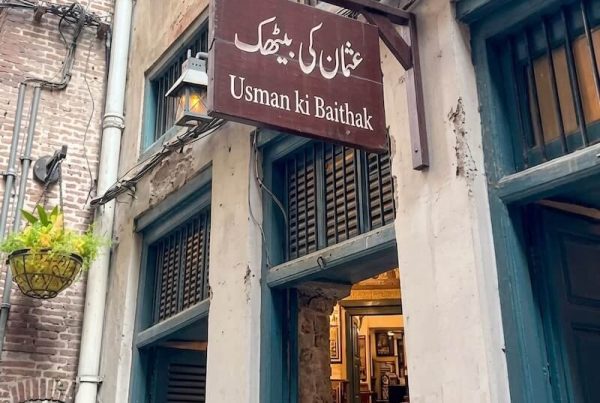
- Usman Ki Baithak: A cosy chai corner in Gali Surjan Singh, just inside Delhi Gate, perfect for a tea break.
- Masjid Wazir Khan: About five minutes’ walk ahead, famous for its tile work. Wazir Khan built it too.
- Sunehri Masjid: The small Golden Mosque in Kashmiri Bazaar, a few minutes further on.
- Haveli Nau Nihal Singh: A beautifully painted Sikh-era haveli in the old city.
- Lahore Fort and Badshahi Masjid: At the end of the Royal Trail, so you can turn your visit into a full day.
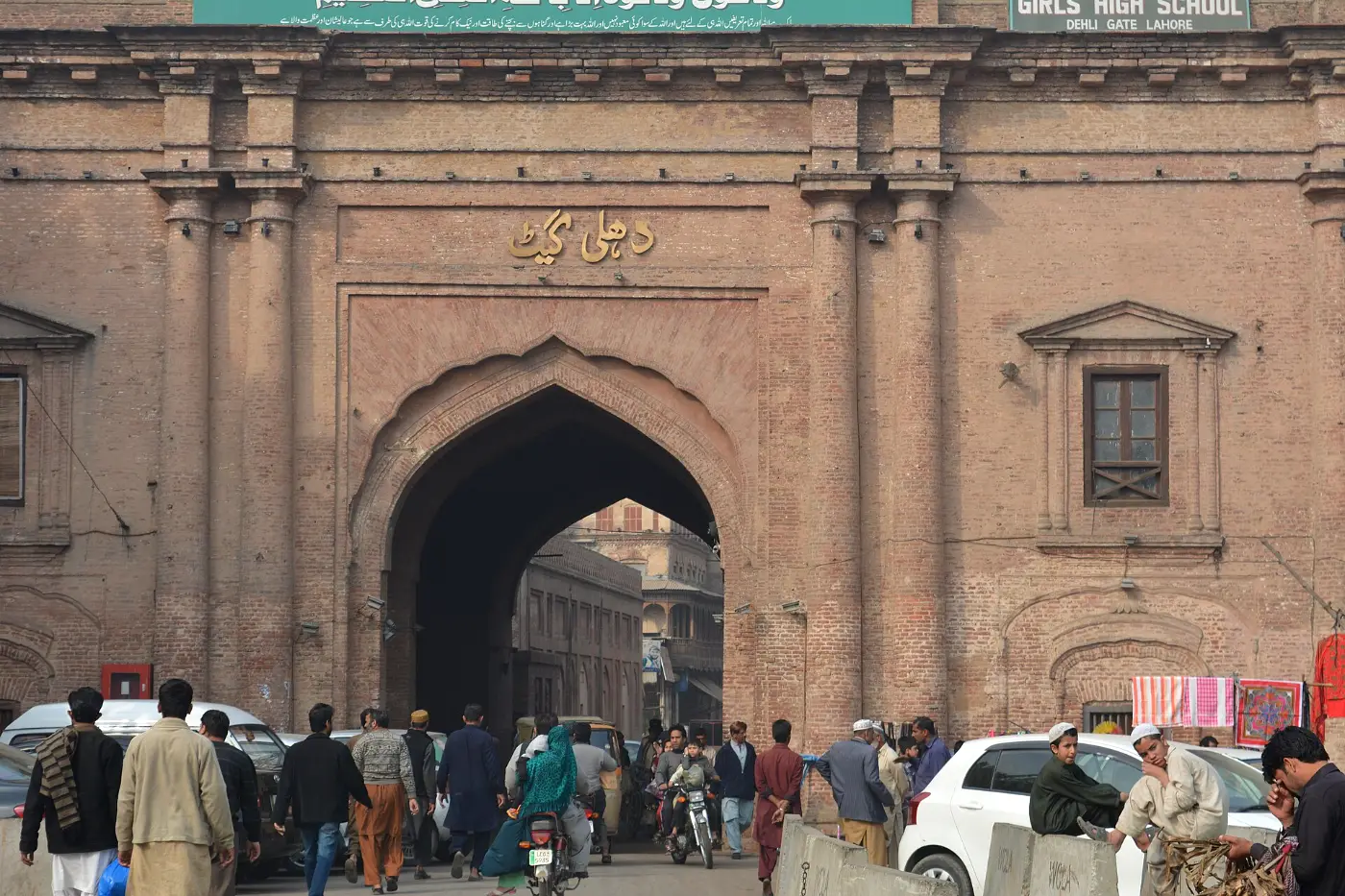
Photo Credit: Aamir Khan Lodhi, CC BY-SA 4.0, via Wikimedia Commons
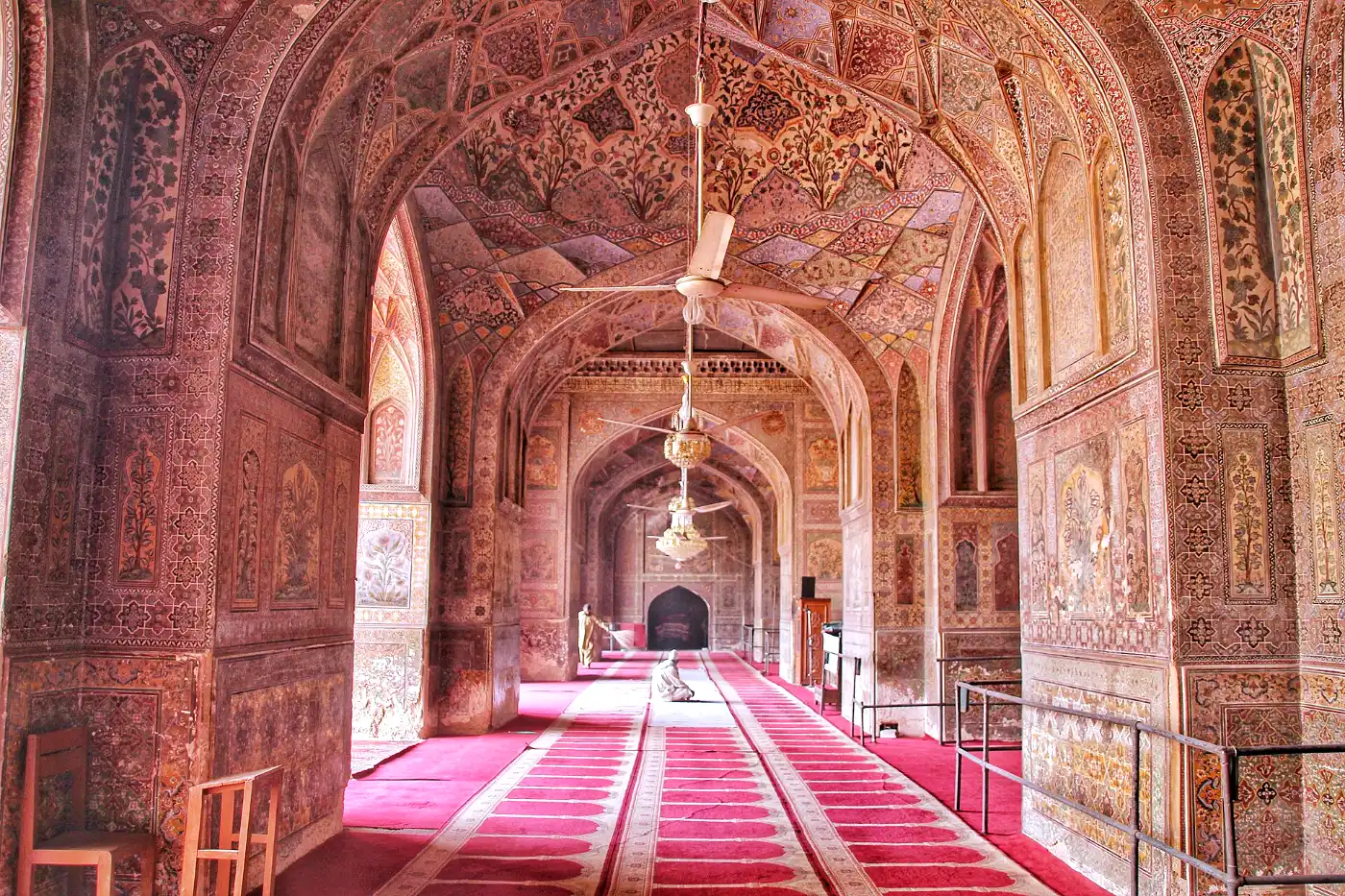
Photo Credit: Fassifarooq, CC BY-SA 4.0, via Wikimedia Commons
Tips for Visitors
- First, wear comfortable shoes, because the streets of the old city are narrow and uneven.
- Come in the morning, and then walk the Royal Trail towards Masjid Wazir Khan and Lahore Fort.
- Also, keep your phone and wallet safe in the crowded bazaar.
- Do not touch the frescoes, since even clean hands can damage old paint.
- Finally, try local food on the way, such as hot jalebis or fresh lassi from the bazaar.
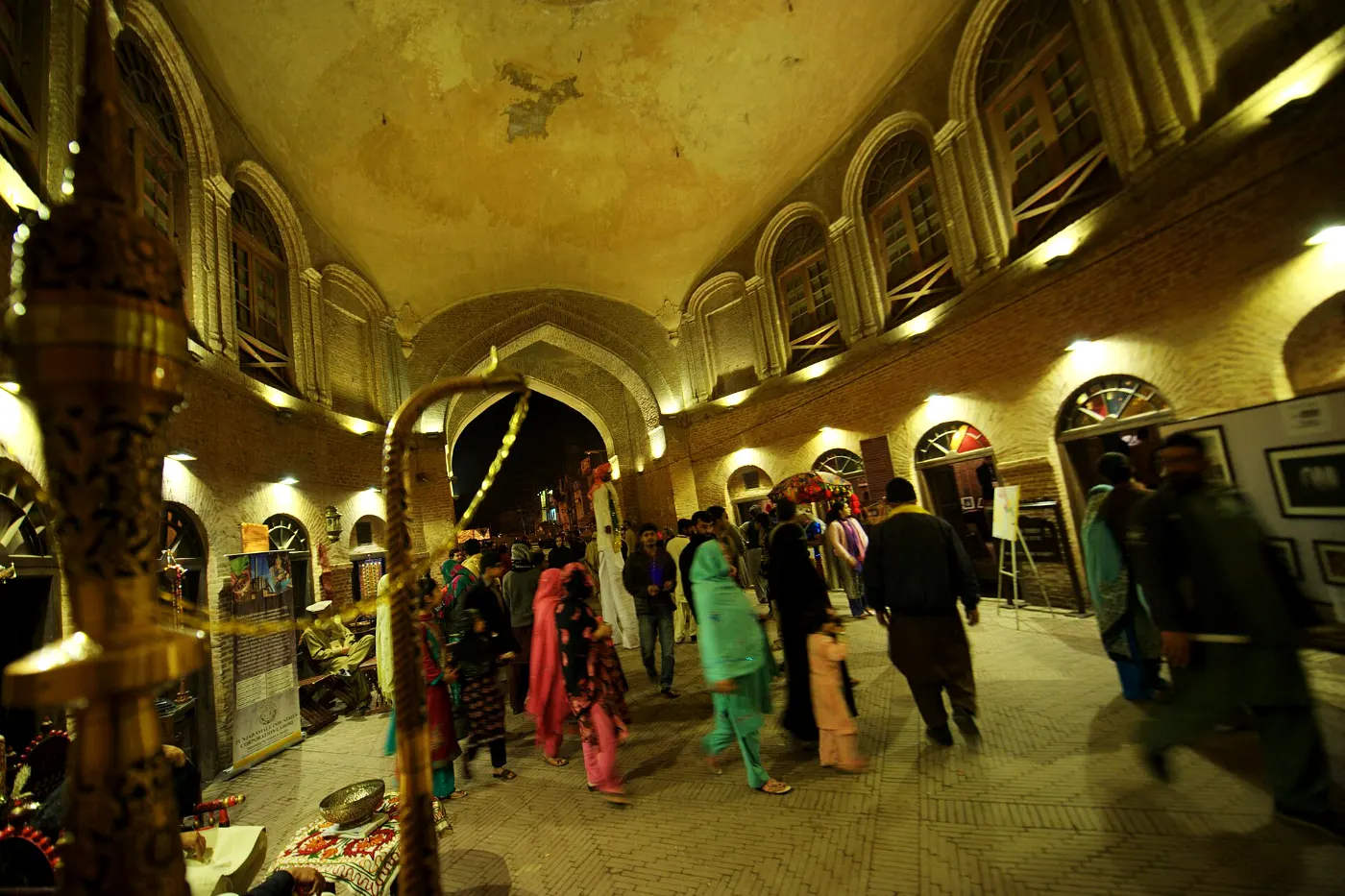
Photo Credit: DarNadeem, CC BY-SA 4.0, via Wikimedia Commons
Frequently Asked Questions
Who built Shahi Hammam?
Wazir Khan, a physician at the Mughal court and governor of Lahore, built it in 1635 during the reign of Shah Jahan.
Where is Shahi Hammam in Lahore?
Basically, it is just inside Delhi Gate in the Walled City of Lahore, on the way to Masjid Wazir Khan.
Can you take a bath in Shahi Hammam today?
No, because it is no longer a working bath. Instead, it is a restored heritage site that you can explore.
Is there an entry fee?
Yes, there is a small fee for Pakistanis and a higher one for foreign visitors. Check the Walled City of Lahore Authority for current rates.
How long does a visit take?
About 45 minutes to an hour. However, plan half a day if you also want to walk the Royal Trail to Lahore Fort.
Is Shahi Hammam good for children?
Yes. In fact, most children love the glass floors and the painted domes.
Final Word
The Shahi Hammam is small, but it shows a side of Mughal Lahore that most places do not. Here, for example, you see how ordinary people bathed, rested and met friends, all under some of the finest paintings in the city.
So, start your old city walk at Delhi Gate, spend an hour inside the hammam, and then follow the Royal Trail to the mosque and the fort. For more history, see Wikipedia.
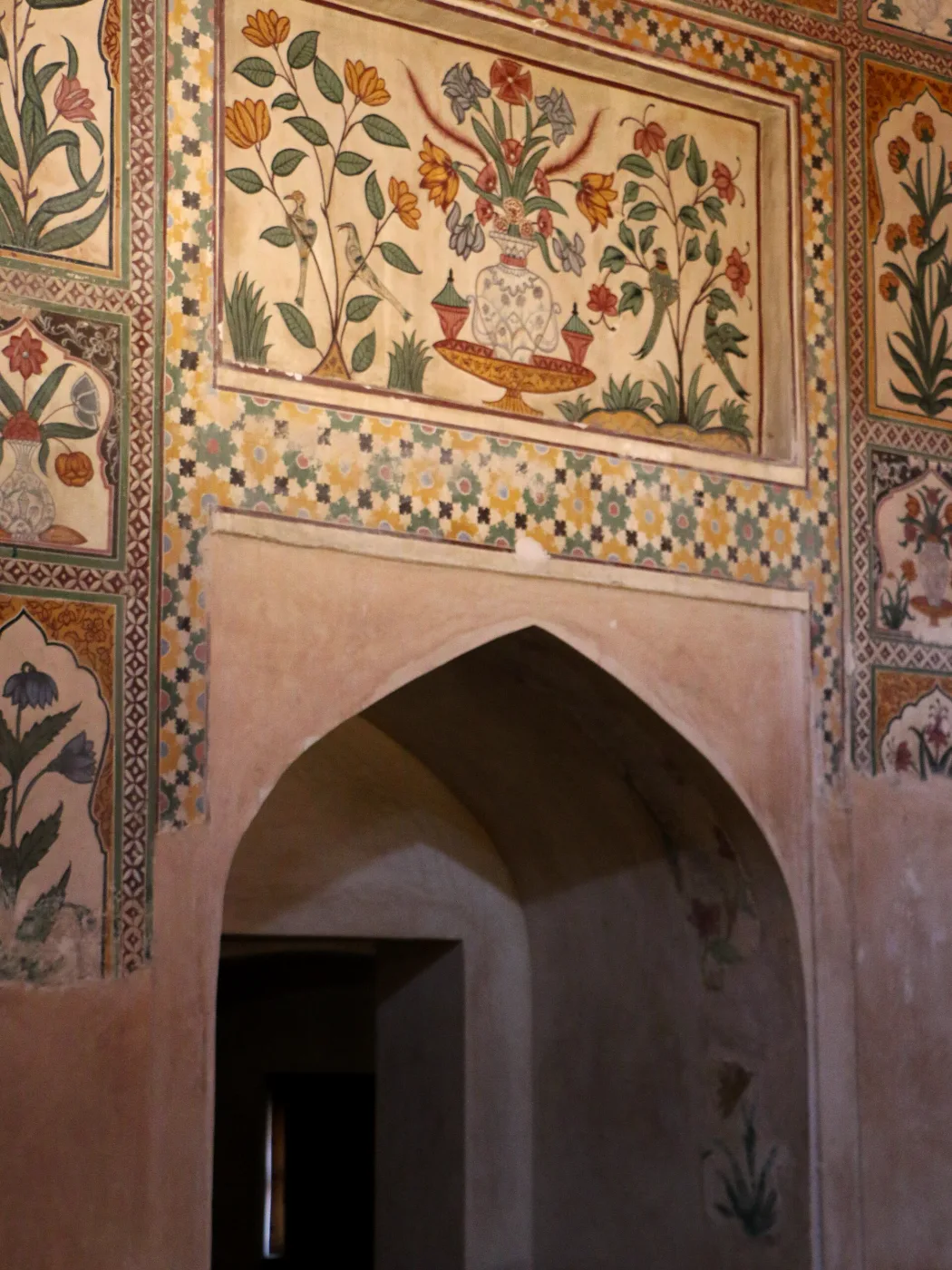
Photo Credit: Kumail Hasan, CC BY-SA 4.0, via Wikimedia Commons
Cover photo: Shabi Abdullah, CC BY-SA 4.0, via Wikimedia Commons (cropped, colour-enhanced and retouched)