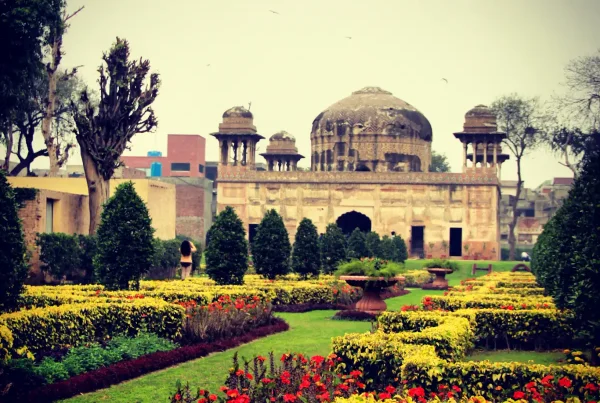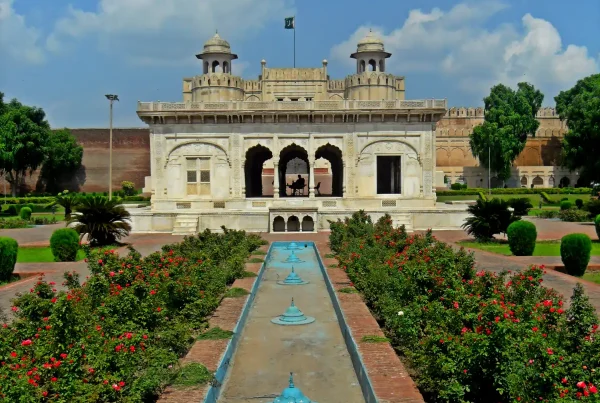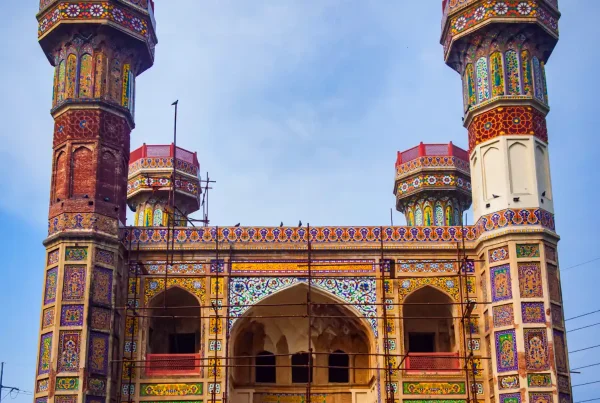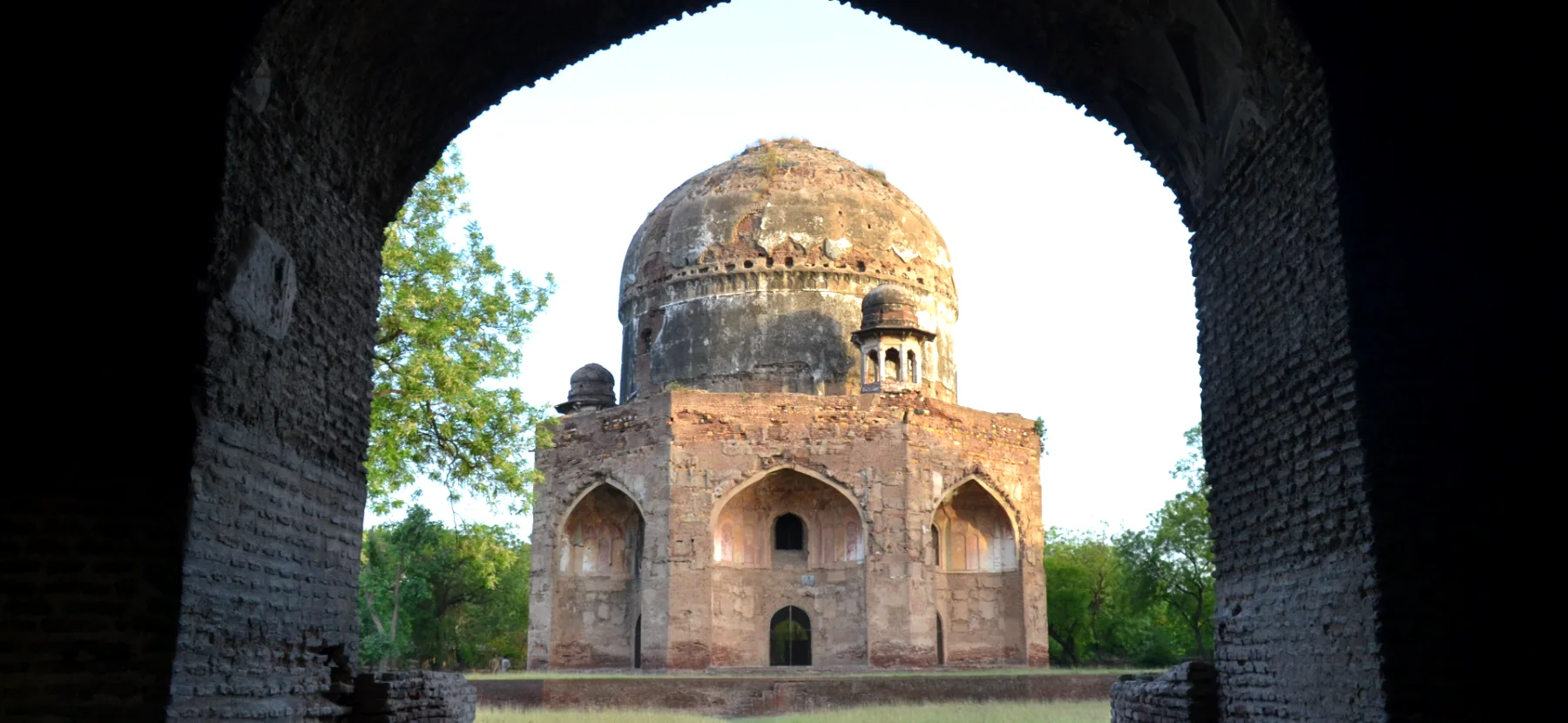
Hidden behind railway yards in Mughalpura stands one of the tallest tombs in Lahore. To reach it, you walk down a long, narrow brick passage, and then suddenly a huge dome rises above an open lawn. This is the Tomb of Ali Mardan Khan in Lahore.
Ali Mardan Khan was one of the most powerful nobles of Shah Jahan’s court, and a brilliant canal engineer. Today, however, his tomb is quiet and almost forgotten. In this guide, we will cover his story, what to see at the tomb and how to find your way there.
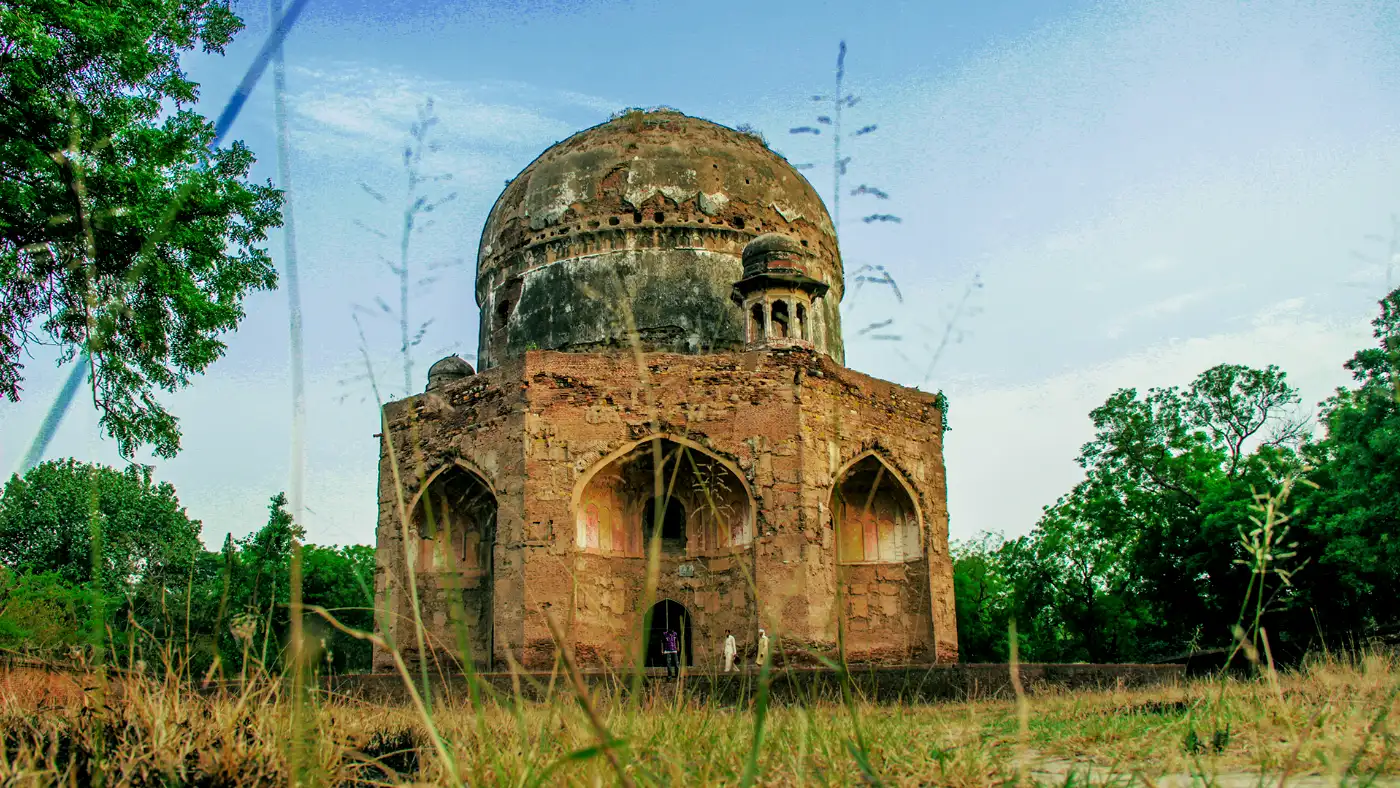
Photo Credit: Fazel rehman, CC BY-SA 3.0, via Wikimedia Commons
Who Was Ali Mardan Khan?
Ali Mardan Khan was born a Kurd and first served the Safavid ruler of Persia, Shah Safi. As governor of Kandahar, he later switched sides and handed the fort over to the Mughals in 1638. As a result, Emperor Shah Jahan welcomed him with great honours.
In 1639, he became the governor of Punjab and received the title Amir-ul-Umara, or chief of nobles. He also governed Kashmir and Kabul at different times.
The Canal Builder
Above all, Ali Mardan Khan was famous as an engineer. He planned canals across the region, including the canal that brought water to Shalimar Gardens. He died in 1657 on a journey north. Afterwards, his family brought his body back to Lahore.
A Tomb for His Mother
Builders completed the tomb in the 1630s. According to some historians, Ali Mardan Khan first built it for his mother, and he was later laid to rest beside her.
The Tomb and Its Dome
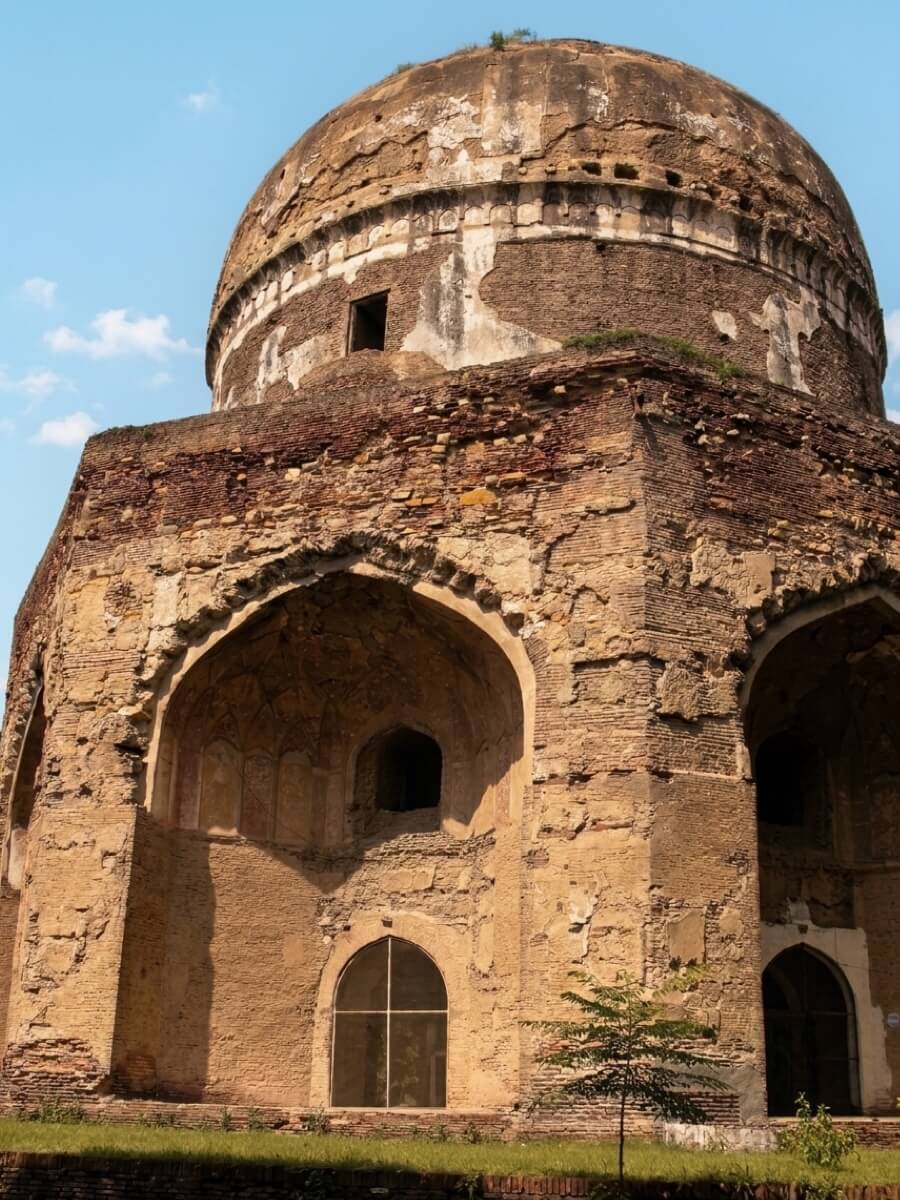
To begin with, the tomb is octagonal, or eight-sided, and it stands on a large raised platform. Each side of the platform is about 18 metres long. On top, a tall drum holds up a huge dome, roughly 13 metres across. In fact, it is often called the tallest tomb in Lahore.
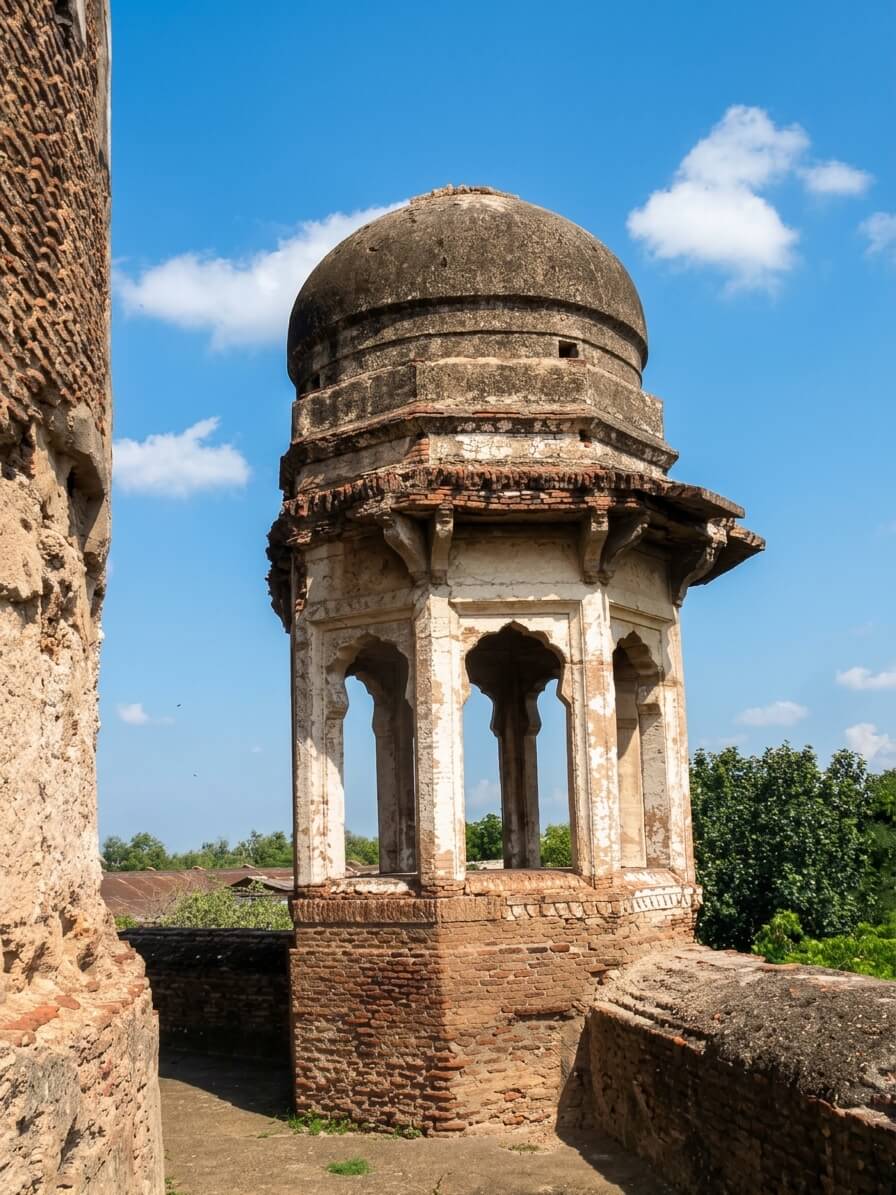
Around the dome, small domed kiosks once sat in a ring. Some still survive, while others have crumbled. Originally, sandstone, marble, colourful tile work and frescoes covered the outside. Sadly, people later stripped away most of this decoration, so today you mostly see bare brick.
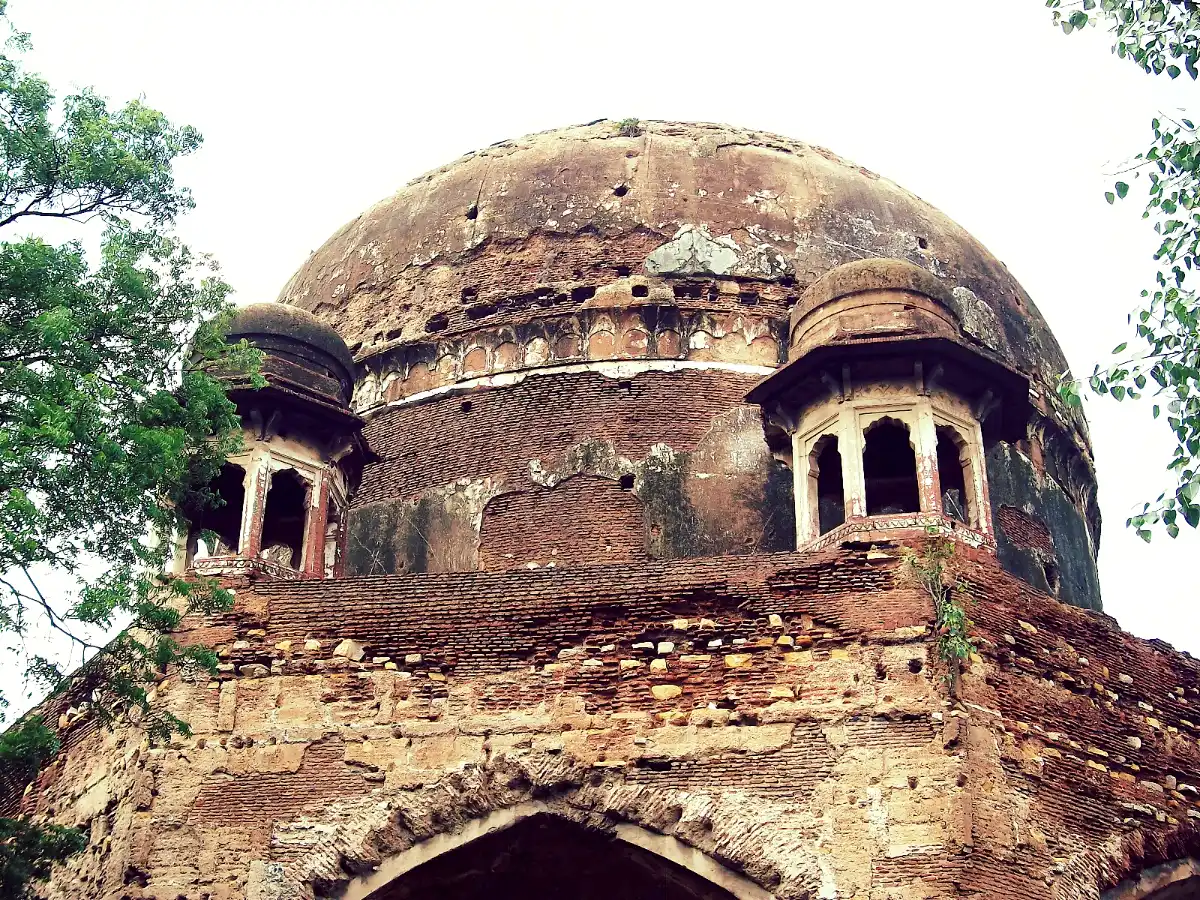
Photo Credit: M Umair Astro, CC BY-SA 3.0, via Wikimedia Commons
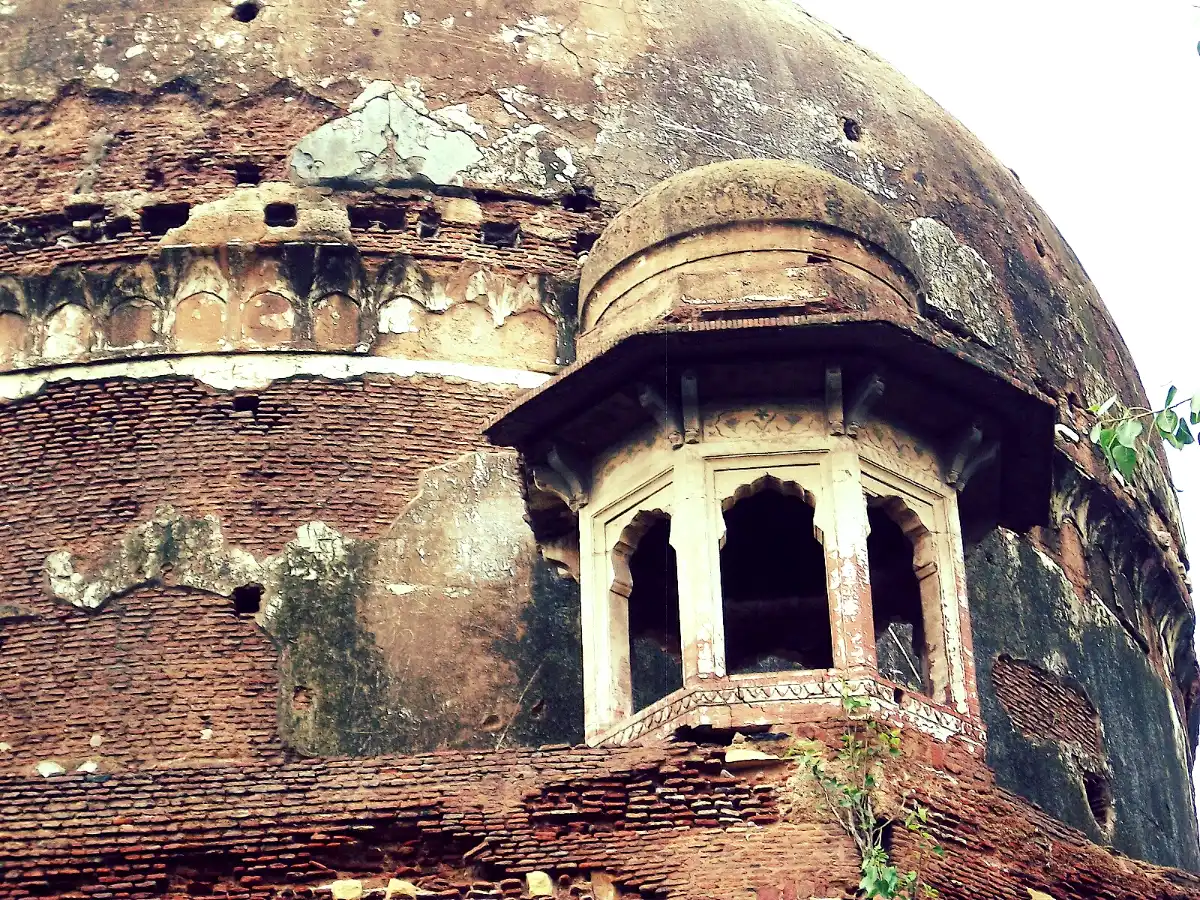
Photo Credit: M Umair Astro, CC BY-SA 3.0, via Wikimedia Commons
Inside the Tomb
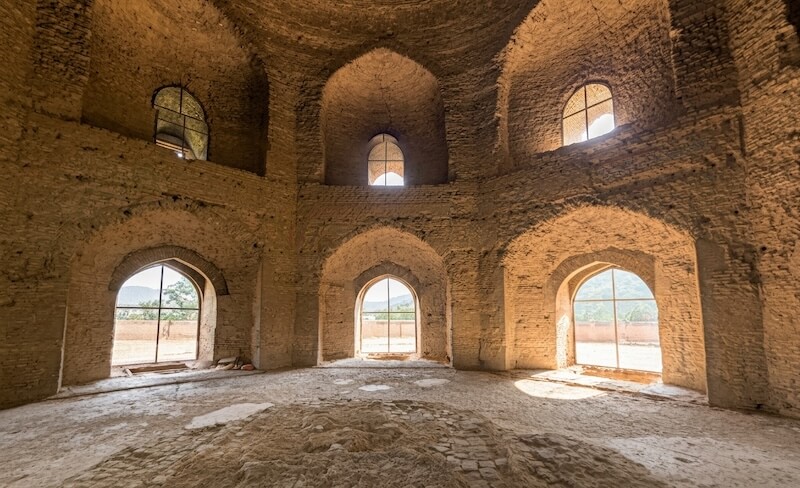
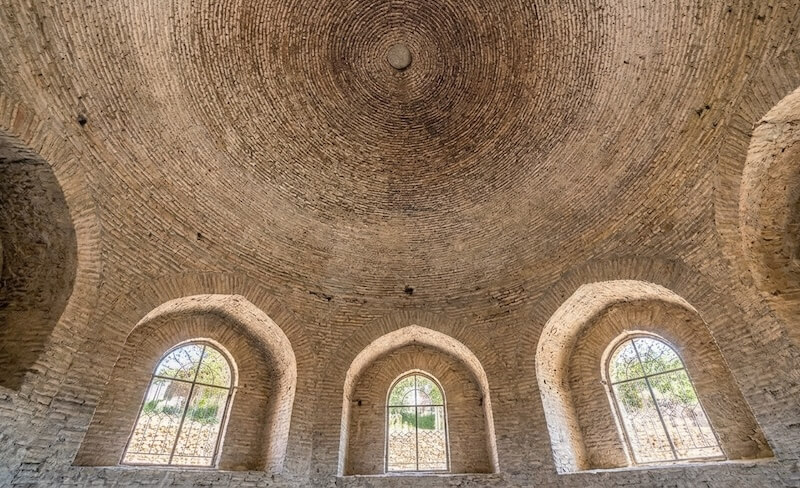
Once inside, you will find a tall, echoing hall with arched openings on each side. Light falls in through the high windows, and the walls show traces of old plaster. Meanwhile, the actual burial chamber lies underground, and a staircase leads down to it.
Tomb of Ali Mardan Khan Lahore: A Local Shrine
Interestingly, many local people treat the tomb as a shrine. They call it “Mardan Khan’s darbar”, and visitors sometimes decorate the grave as they would a saint’s tomb.
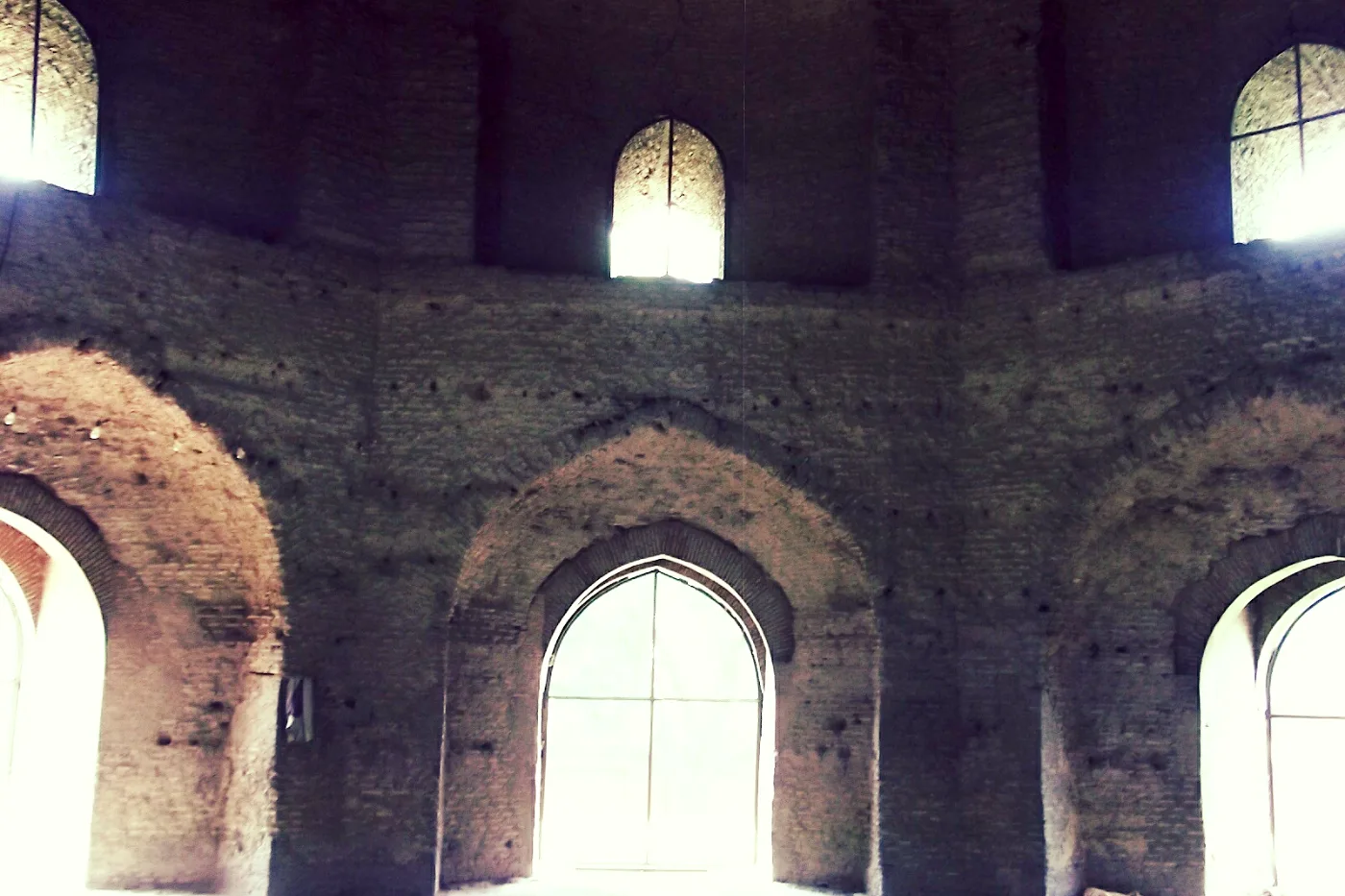
Photo Credit: M Umair Astro, CC BY-SA 3.0, via Wikimedia Commons
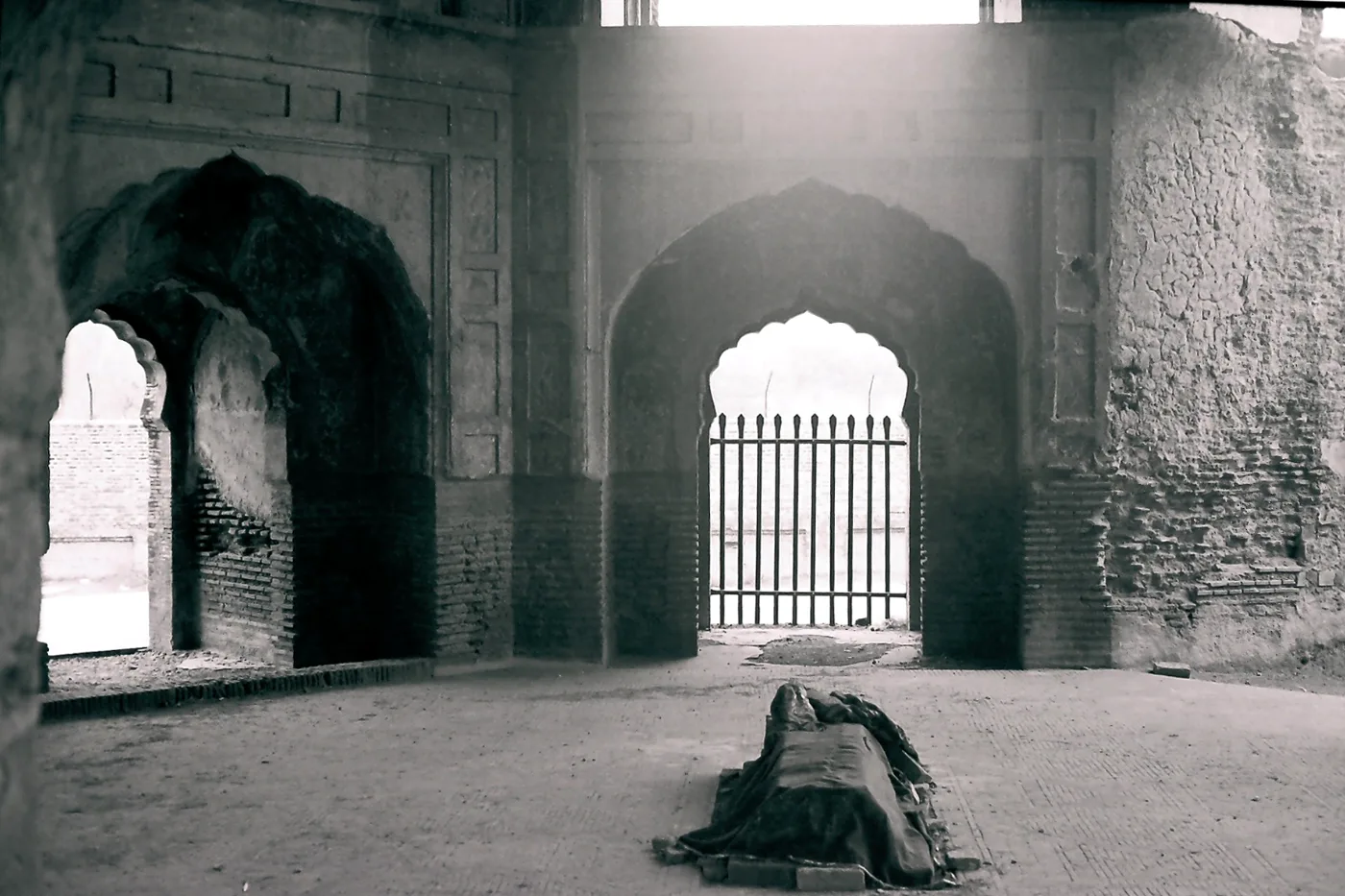
Photo Credit: Bilal.zafar, CC BY-SA 3.0, via Wikimedia Commons
The Gateway
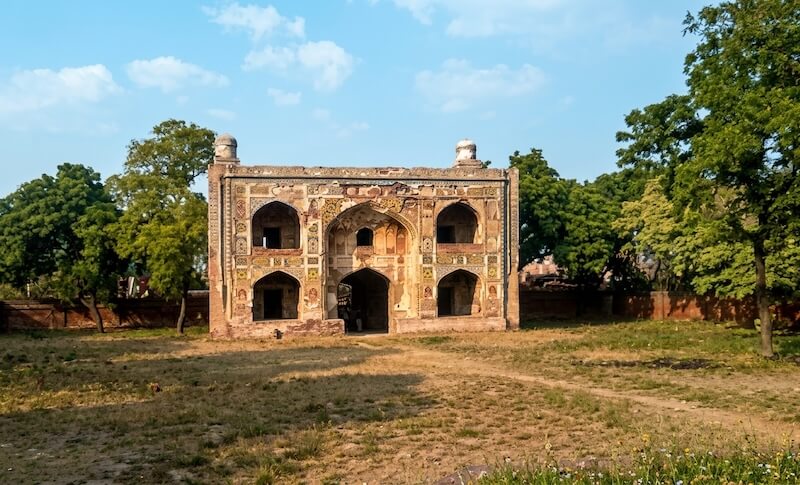
Next, look across the lawn at the two-storey gateway. Surprisingly, it has kept much more of its decoration than the tomb itself. Look for faded frescoes and bits of tile work in its arches and panels.
Historians believe the tomb once sat in the middle of a large Mughal garden, possibly with gateways on all four sides. However, only this one survives today.
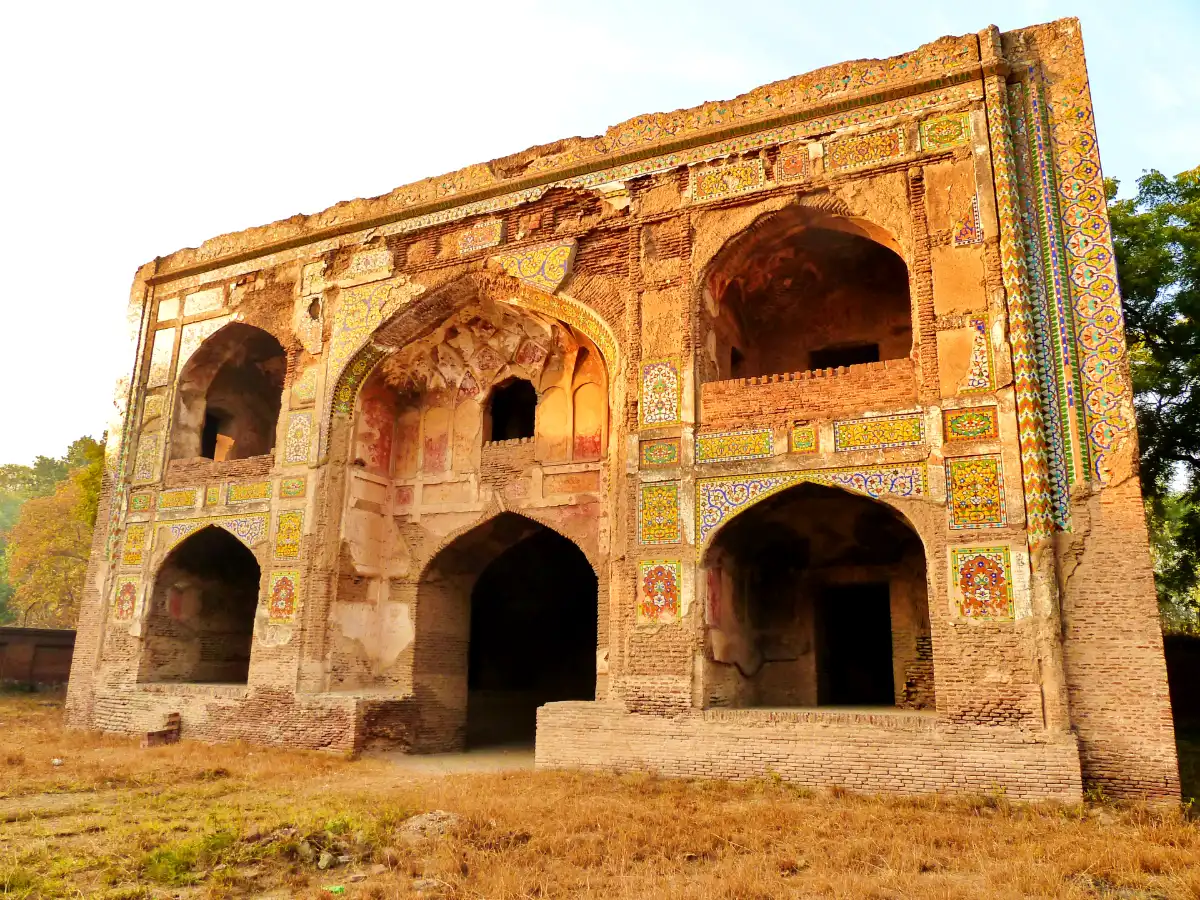
Photo Credit: Musab Bin Noor, CC BY-SA 3.0, via Wikimedia Commons
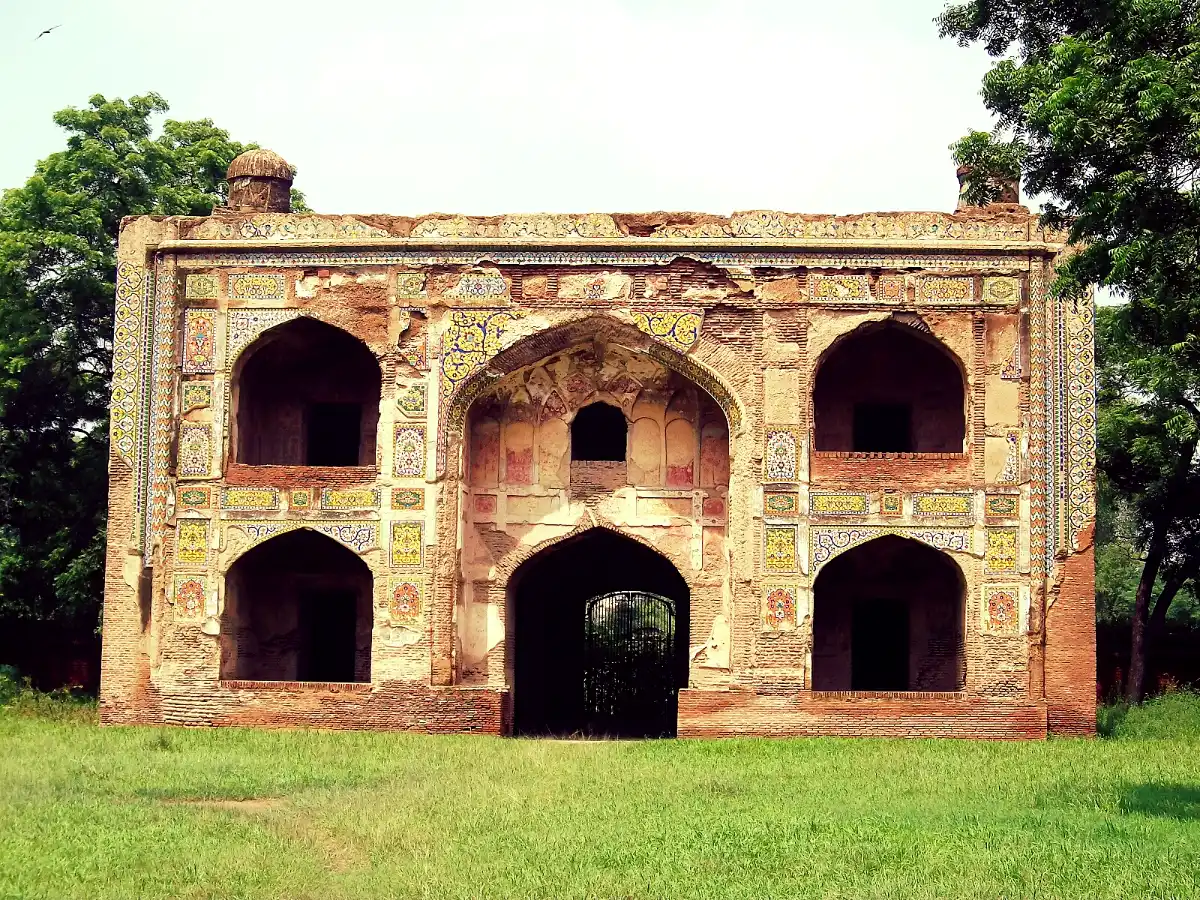
Photo Credit: M Umair Astro, CC BY-SA 3.0, via Wikimedia Commons
The Walled Passage
Part of the adventure is getting in. Because railway land surrounds the tomb, you reach it through a long walled passage of red brick, covered with a metal grill. Local cyclists and walkers use it as a shortcut, so it feels like a secret tunnel into the past.
At the end of the passage, the space suddenly opens up, and the great dome appears in front of you. In other words, it is one of the most dramatic arrivals of any monument in Lahore.
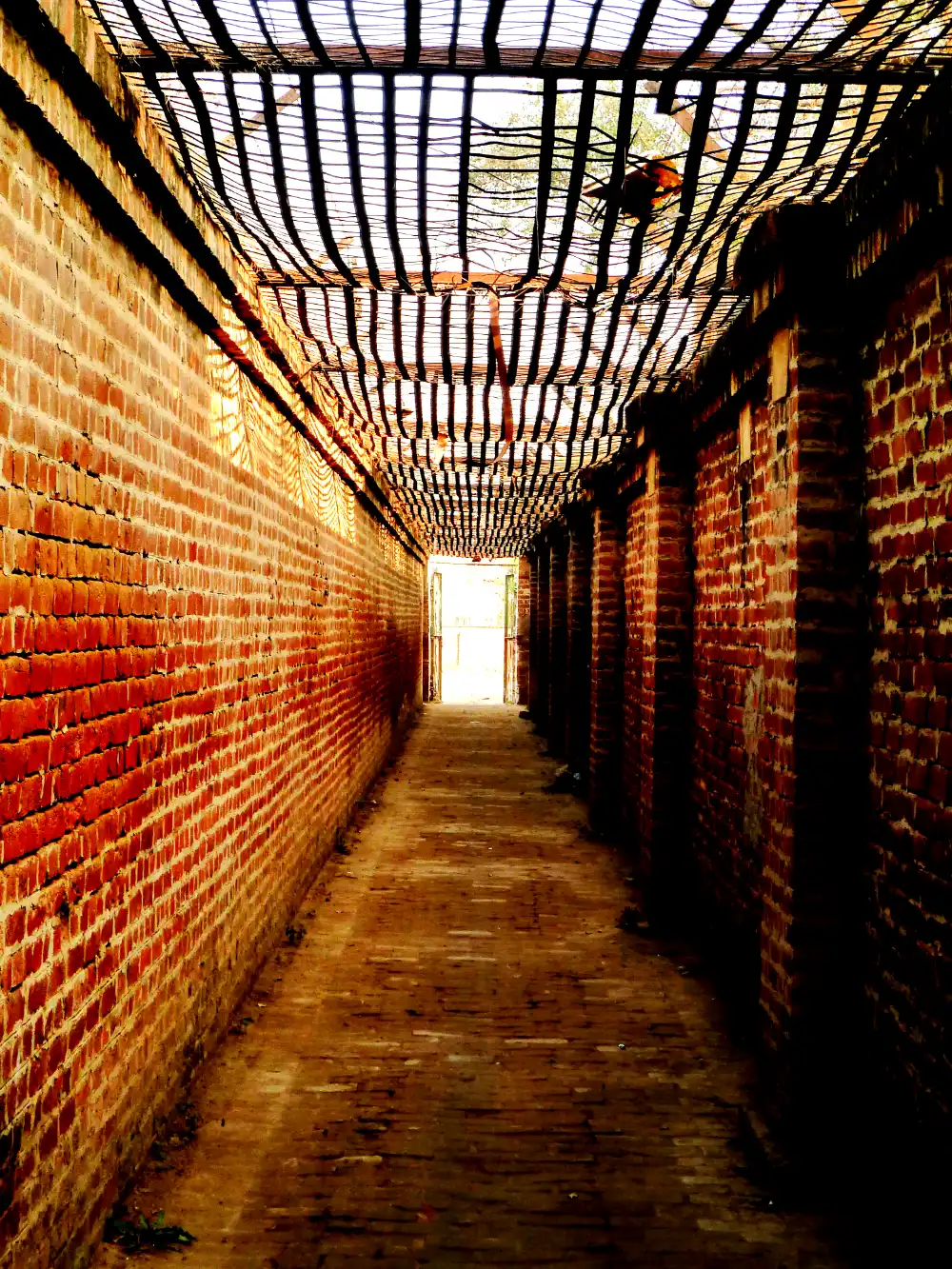
Photo Credit: Musab Bin Noor, CC BY-SA 3.0, via Wikimedia Commons
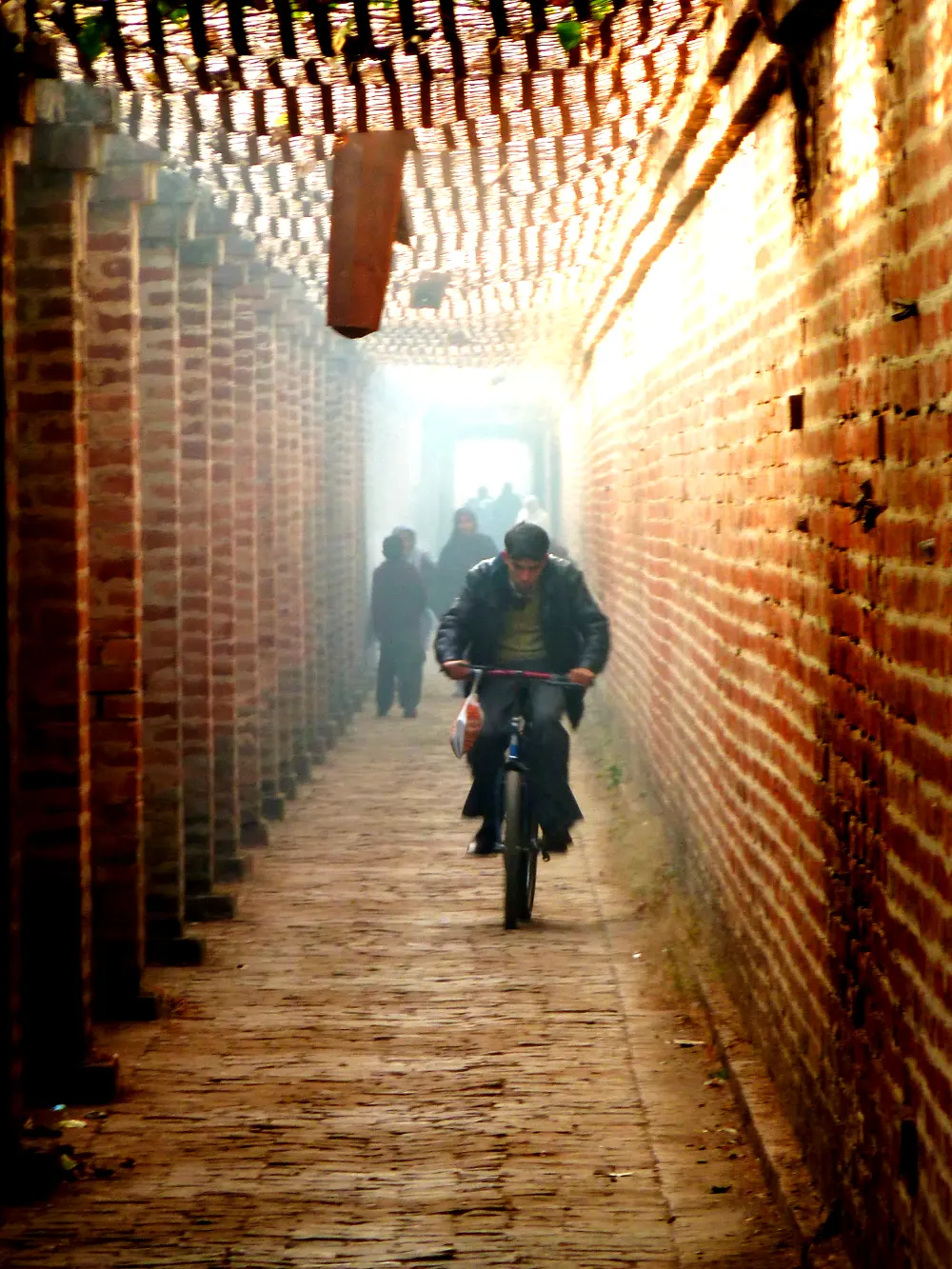
Photo Credit: Musab Bin Noor, CC BY-SA 3.0, via Wikimedia Commons
Visitor Information
Tomb of Ali Mardan Khan: Timings and Entry
- Location: Mughalpura, on Mughalpura Road off GT Road, near UET Lahore.
- Timings: Usually open during daylight hours. However, the gate has been closed at times, so check locally before you go.
- Entry fee: No ticket is usually needed.
- Time needed: 30 to 45 minutes.
Good to Know
- Railway land: The tomb sits inside Pakistan Railways property, so follow any instructions from guards.
- Facilities: There are no facilities at the tomb.
- Respect: Since locals visit the grave as a shrine, keep your voice low inside.
- Accessibility: The ground is uneven, and there are steps up to the platform.
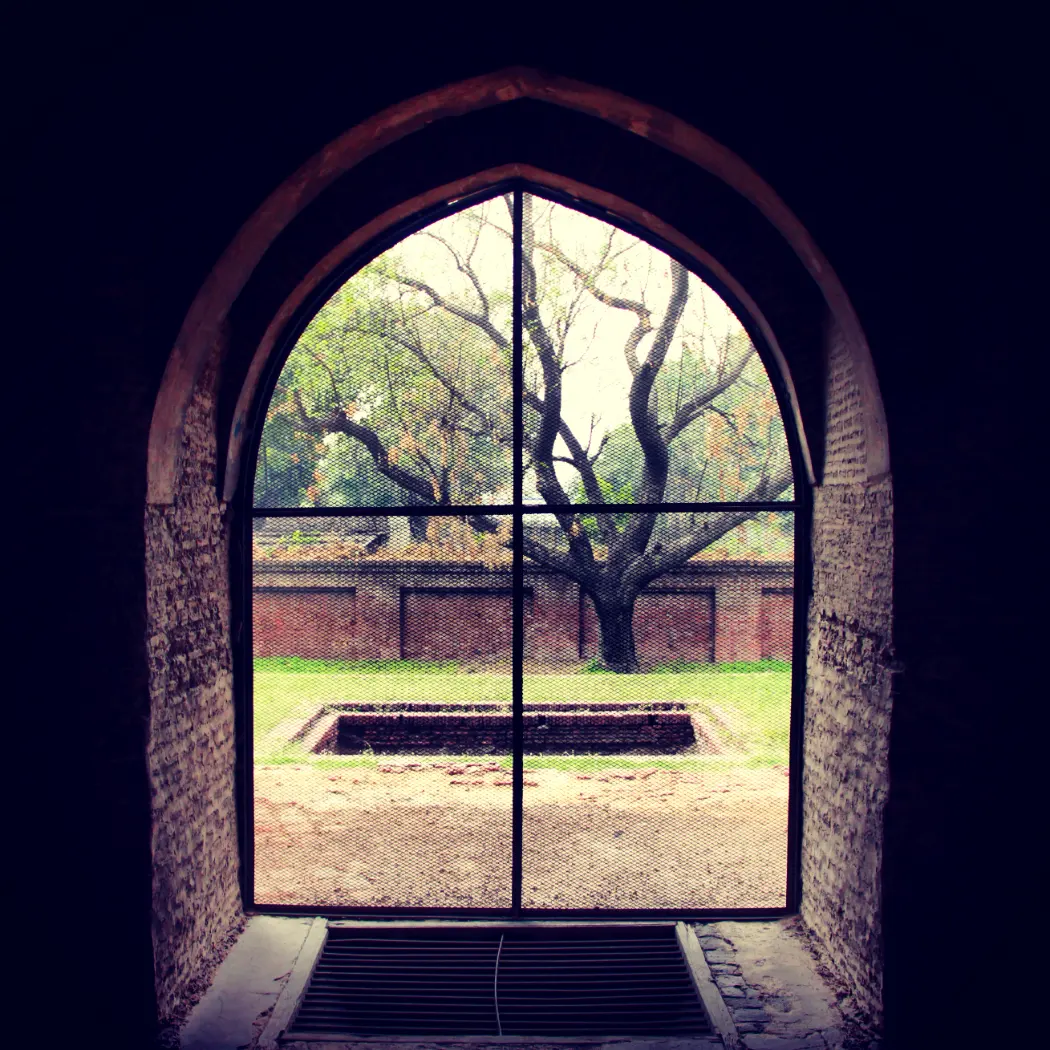
Photo Credit: Kkashaff, CC BY-SA 4.0, via Wikimedia Commons
How to Get to the Tomb of Ali Mardan Khan
Finding the entrance: From GT Road, turn onto Mughalpura Road. Near the railway tracks, look for a small sign that says “MET-1”. Beyond it is the gate to the walled passage that leads to the tomb.
By rickshaw or ride-hailing: Ask for “Ali Mardan Khan Tomb, Mughalpura”. Since some drivers may not know it, use the map below.
By car: Park on Mughalpura Road and walk through the passage.
Map: Open the Tomb of Ali Mardan Khan in Google Maps for live directions.
Places to See Nearby
Mughalpura was once a royal Mughal neighbourhood, so several sights are close by:
- Gulabi Bagh: The tiled Rose Garden gateway and Tomb of Dai Anga, just across GT Road.
- Buddhu ka Awa: Another old Mughal tomb, close to UET on GT Road.
- Shalimar Gardens: Shah Jahan’s grand garden, a few minutes further east, watered by Ali Mardan Khan’s canal.
- Lahore Fort and Badshahi Masjid: About 20 to 30 minutes away by car.
Tips for Visitors
- First, combine the tomb with Gulabi Bagh and Shalimar Gardens for a Mughal half day.
- Go in the morning, when the light on the dome is soft.
- Visit with a friend or in a small group, since the area is quiet.
- Wear comfortable shoes for the uneven ground.
- Look up at the surviving kiosks around the dome.
- Finally, bring water, as there are no shops inside.
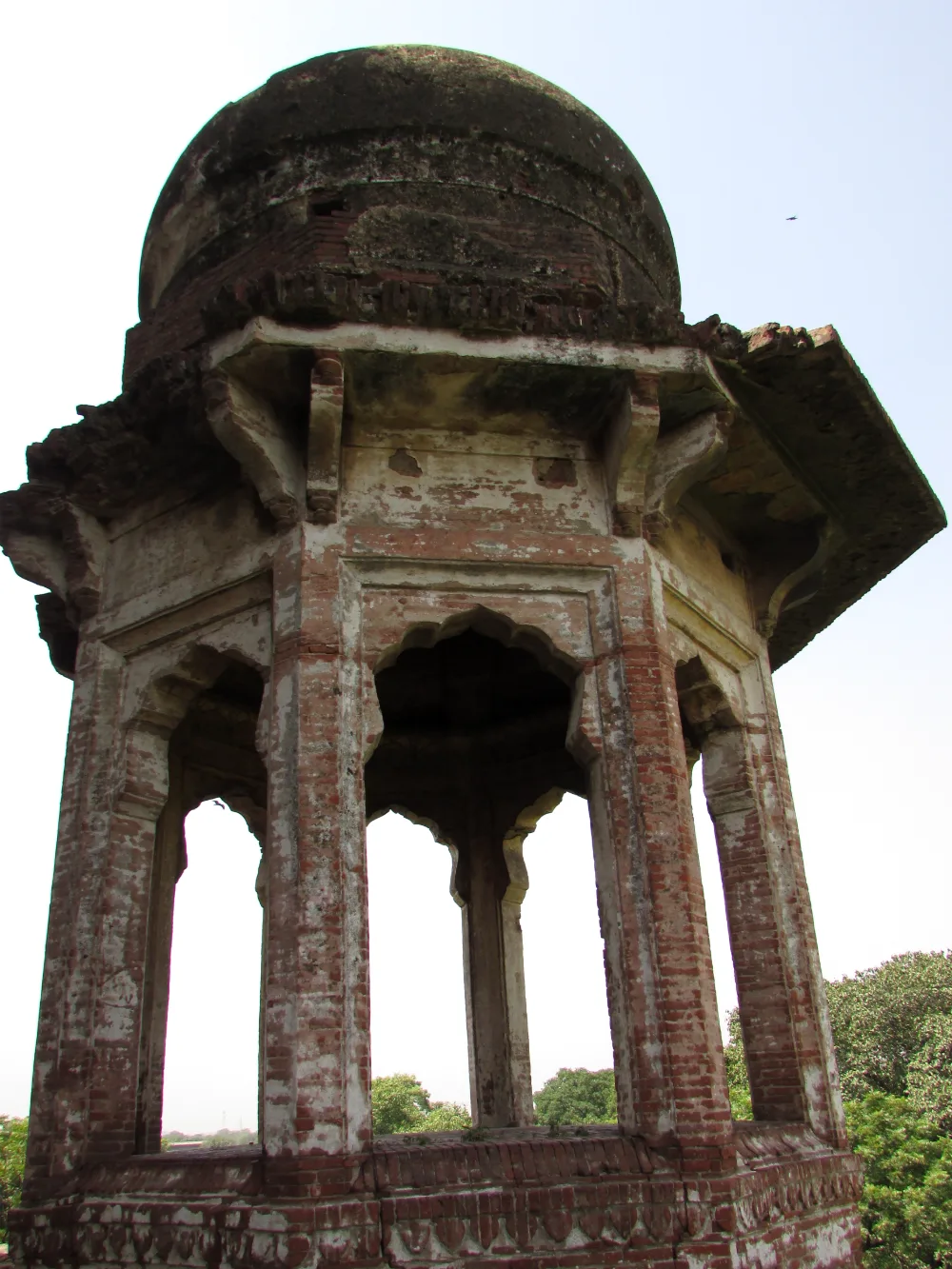
Photo Credit: Zahidali219, CC BY-SA 4.0, via Wikimedia Commons
Frequently Asked Questions
Who was Ali Mardan Khan?
He was a powerful noble and canal engineer at Shah Jahan’s court, and a governor of Punjab, Kashmir and Kabul.
When was the tomb built?
It was built in the 1630s.
Is there an entry fee?
No ticket is usually needed.
Why is the tomb hard to find?
It sits inside railway property, and you reach it through a walled passage from Mughalpura Road.
Is it the tallest tomb in Lahore?
Yes, it is often described as the tallest tomb in the city.
Conclusion
In short, the Tomb of Ali Mardan Khan is one of Lahore’s great hidden monuments. The walk through the brick passage, the sudden view of the dome and the quiet lawn all make it feel like a real discovery. So, if you love Mughal history, add it to your next trip along GT Road.
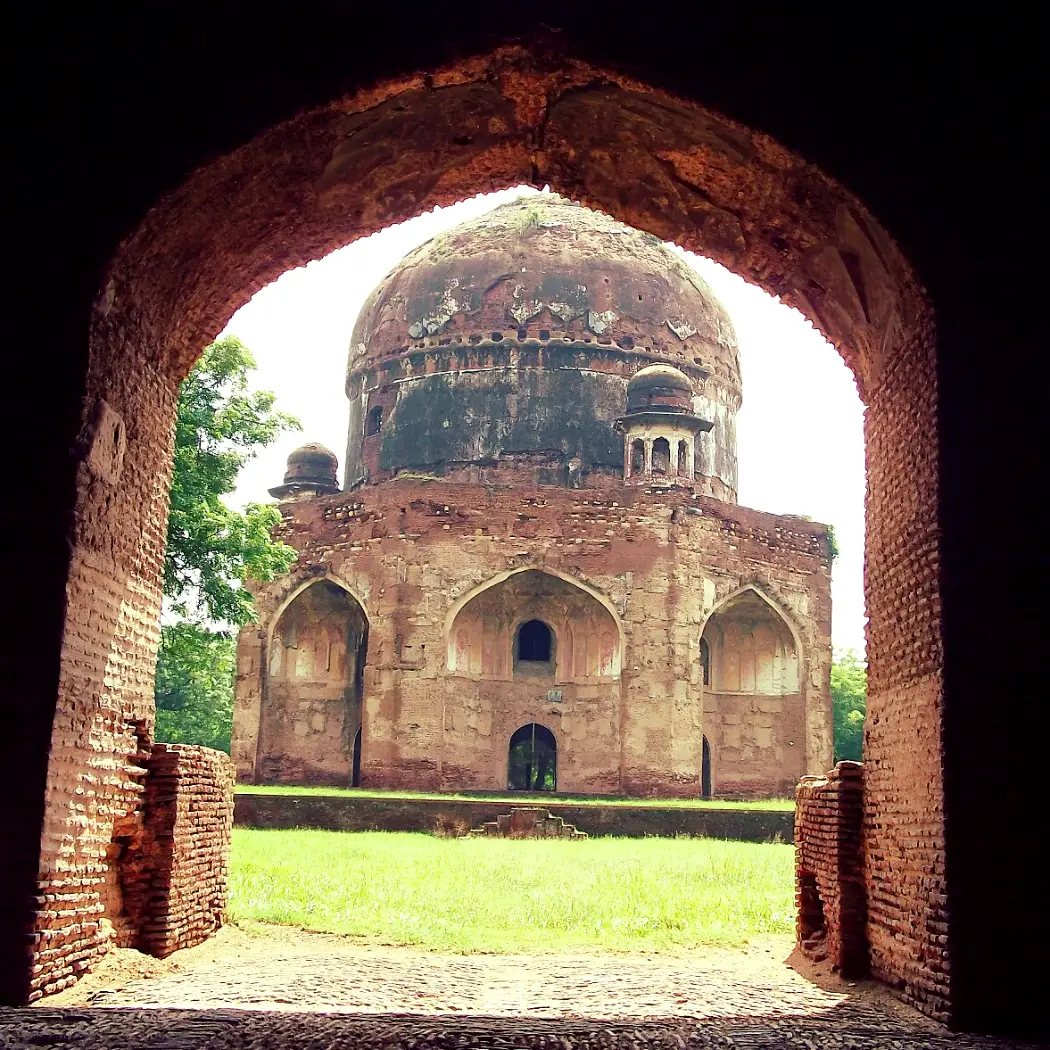
Photo Credit: M Umair Astro, CC BY-SA 3.0, via Wikimedia Commons
Cover photo: Kumail Hasan, CC BY-SA 4.0, via Wikimedia Commons (cropped and colour-enhanced)