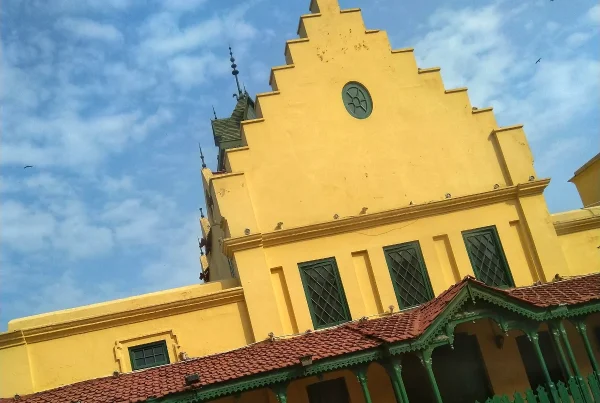
Ask any Lahori where to shop for a wedding, a new pair of khussas or a bundle of bangles, and the answer is often the same: Anarkali. Anarkali Bazaar is one of the oldest surviving markets in South Asia, and it has been at the heart of Lahore’s shopping life for at least two hundred years.
It sits between the Mall Road and the Walled City, a maze of lanes full of fabric, shoes, jewellery, books and food. It is loud, crowded and colourful, and that is exactly the fun of it.
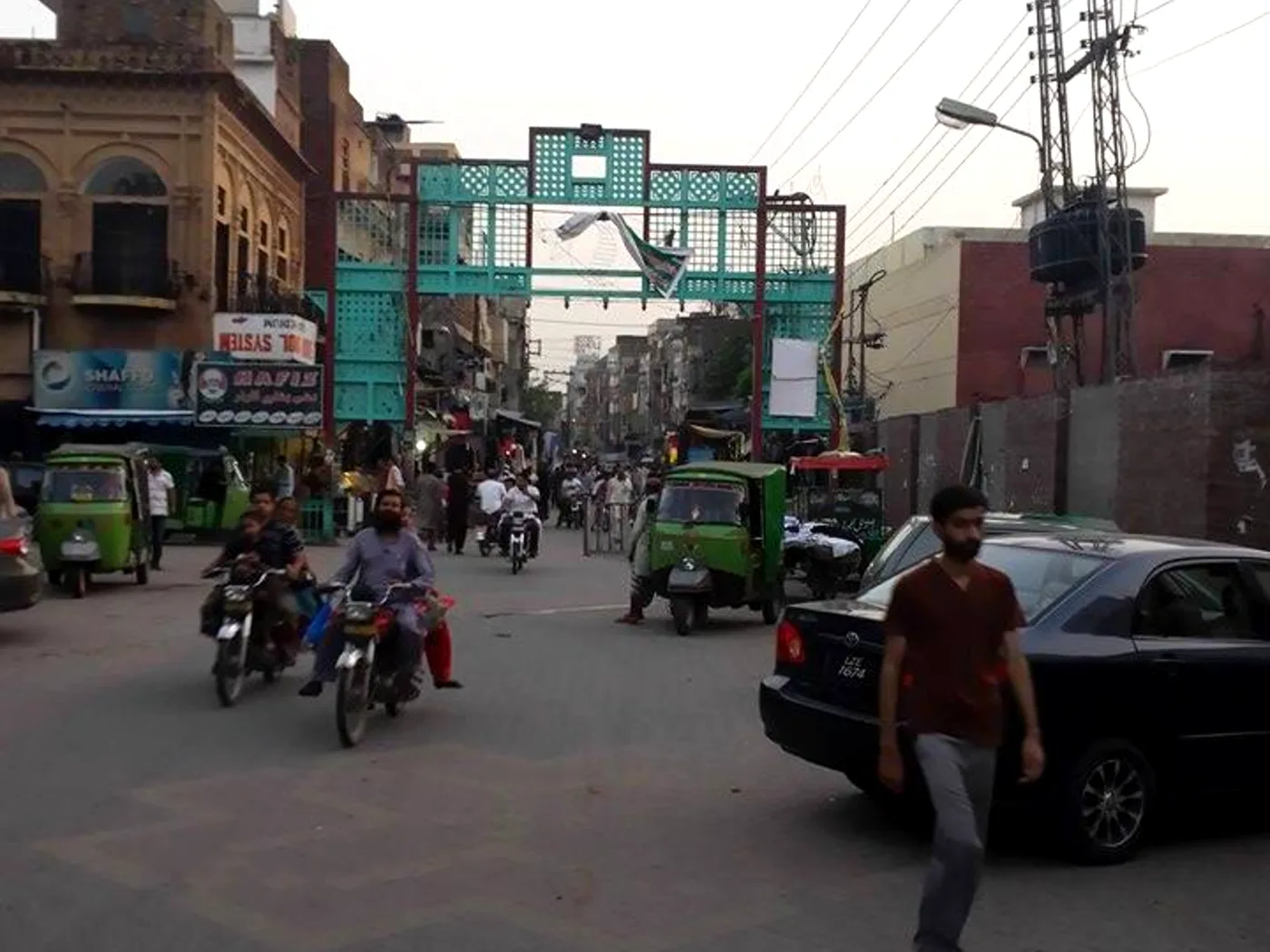
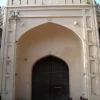
The gateway and busy street at the edge of the bazaar. Photo Credit: Asmii85, CC BY-SA 3.0.
Quick facts
- Location: Between Mall Road and the Walled City, near Lahore Museum
- Timings: Most shops roughly 11 am to 9 pm (check before you go)
- Ticket: Free to walk around
- Time needed: 2 to 3 hours
- Best time: October to March; weekday mornings are calmer
- Map: Open in Google Maps
Last checked: November 2026. Full details in Visitor Information.
History of Anarkali Bazaar
A Name From Legend
The bazaar takes its name from Anarkali, the courtesan who, as the story goes, was loved by Prince Salim, later Emperor Jahangir. Her tomb, the Tomb of Anarkali, stands close by inside the Punjab Civil Secretariat, and the market grew up around this area.
Old and New Anarkali
Today the bazaar has two parts. Old Anarkali, nearer the Mall Road end, is known for its food street and older buildings. New Anarkali runs towards the Walled City and holds smaller markets such as Bano Bazaar, Dhani Ram Road and Paan Gali.
Saving Anarkali Bazaar
In 2020 the World Monuments Fund placed Anarkali on its watch list because its old buildings were at risk from neglect. Then, in January 2026, the Walled City of Lahore Authority launched a Rs1.097 billion conservation plan to restore the facades of 71 buildings in Old and New Anarkali, along with streets and utilities.
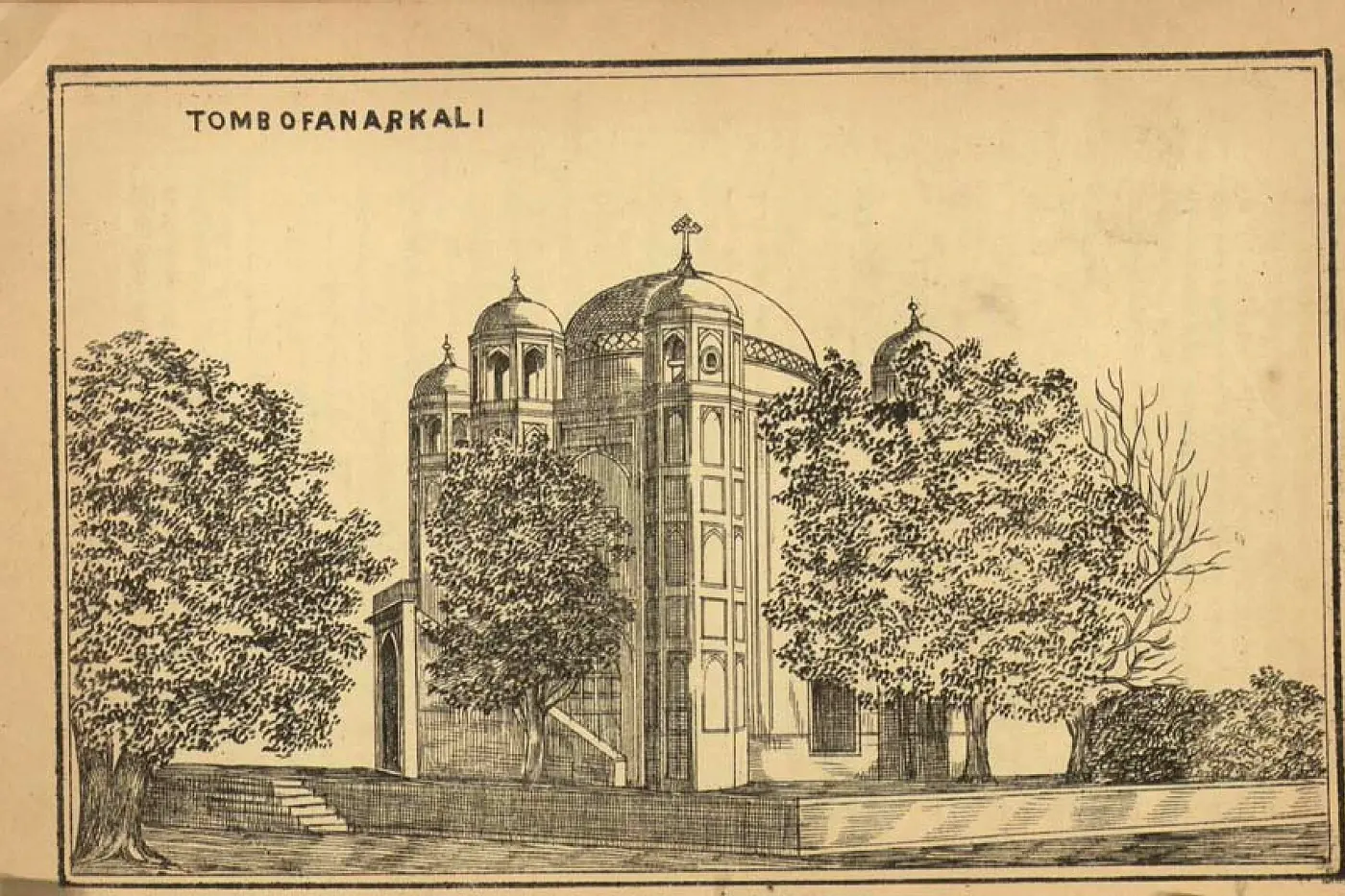
The Tomb of Anarkali in an 1892 lithograph. Photo Credit: Syad Muhammad Latif (1892).
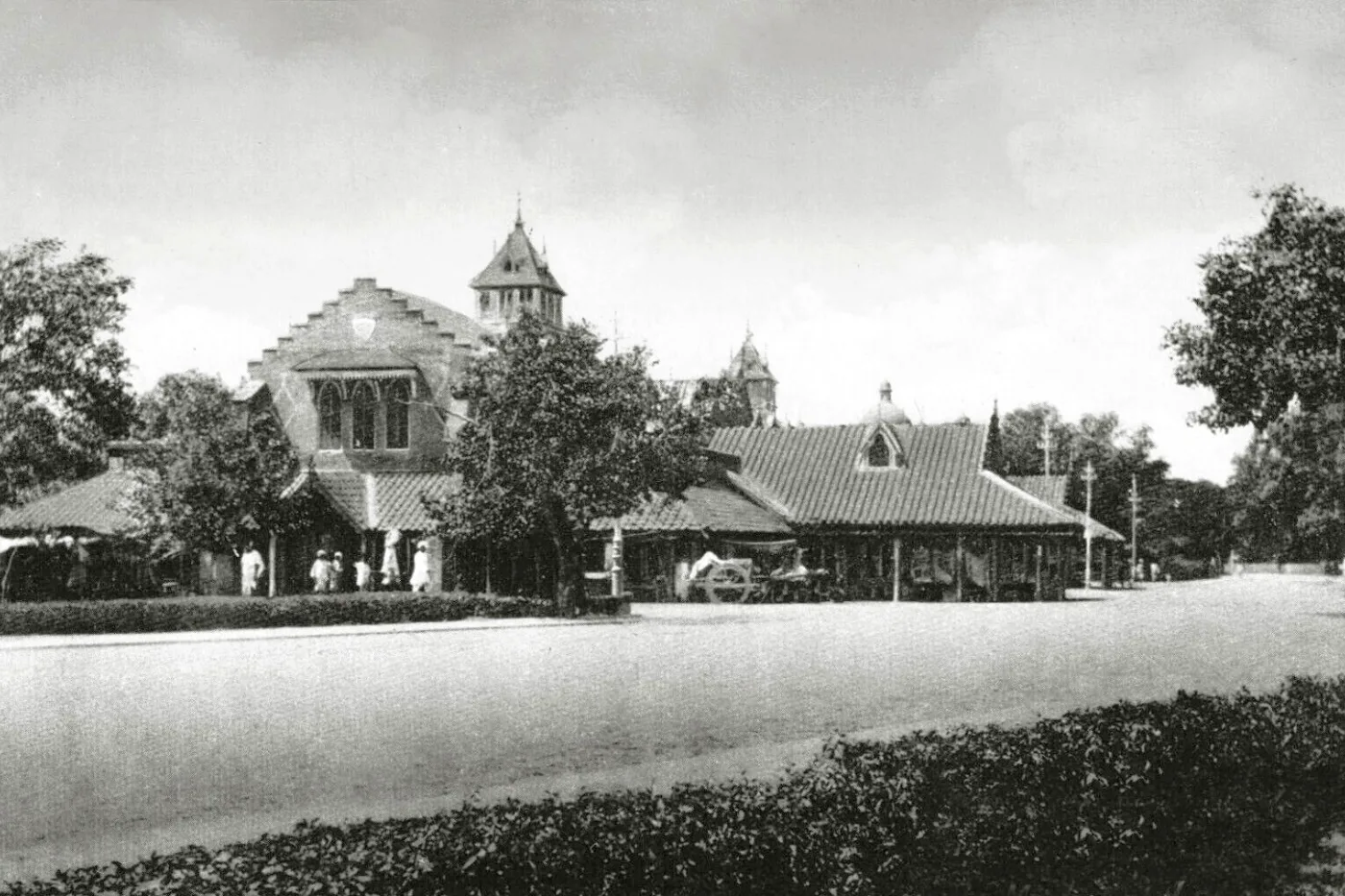
A Lahore market building around 1900. Photo Credit: Unknown photographer.
What to See and Buy in Anarkali Bazaar
Shopping Streets
Bano Bazaar is the place for women’s clothes, dupattas, bangles, henna and jewellery at bargain prices. Elsewhere you will find shoe shops selling khussas, fabric and tailoring shops, old bookstores and stalls of household goods. In fact, many families still do their wedding shopping here.
Old Buildings
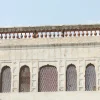
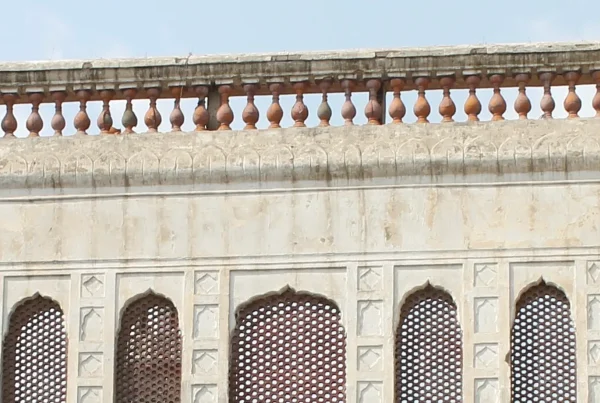
Look up as you walk. Above the shop signs are colonial-era brick facades, carved balconies and old shop fronts, many of them now being restored. The bazaar also holds the Valmiki Mandir, one of the few Hindu temples still in use in Lahore.
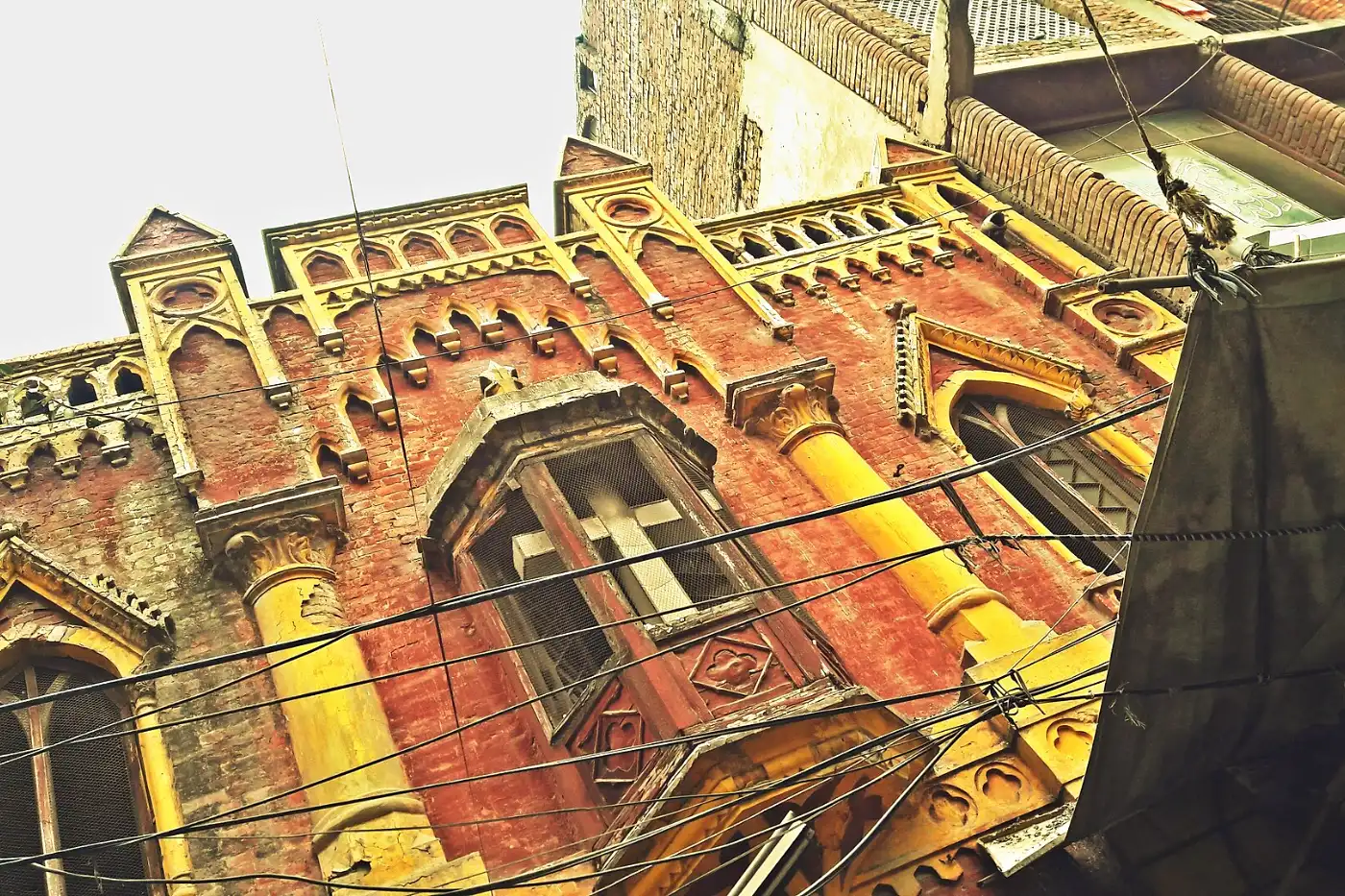
A colonial-era brick facade in the bazaar. Photo Credit: Quratlainzulfiquar, CC BY-SA 4.0.
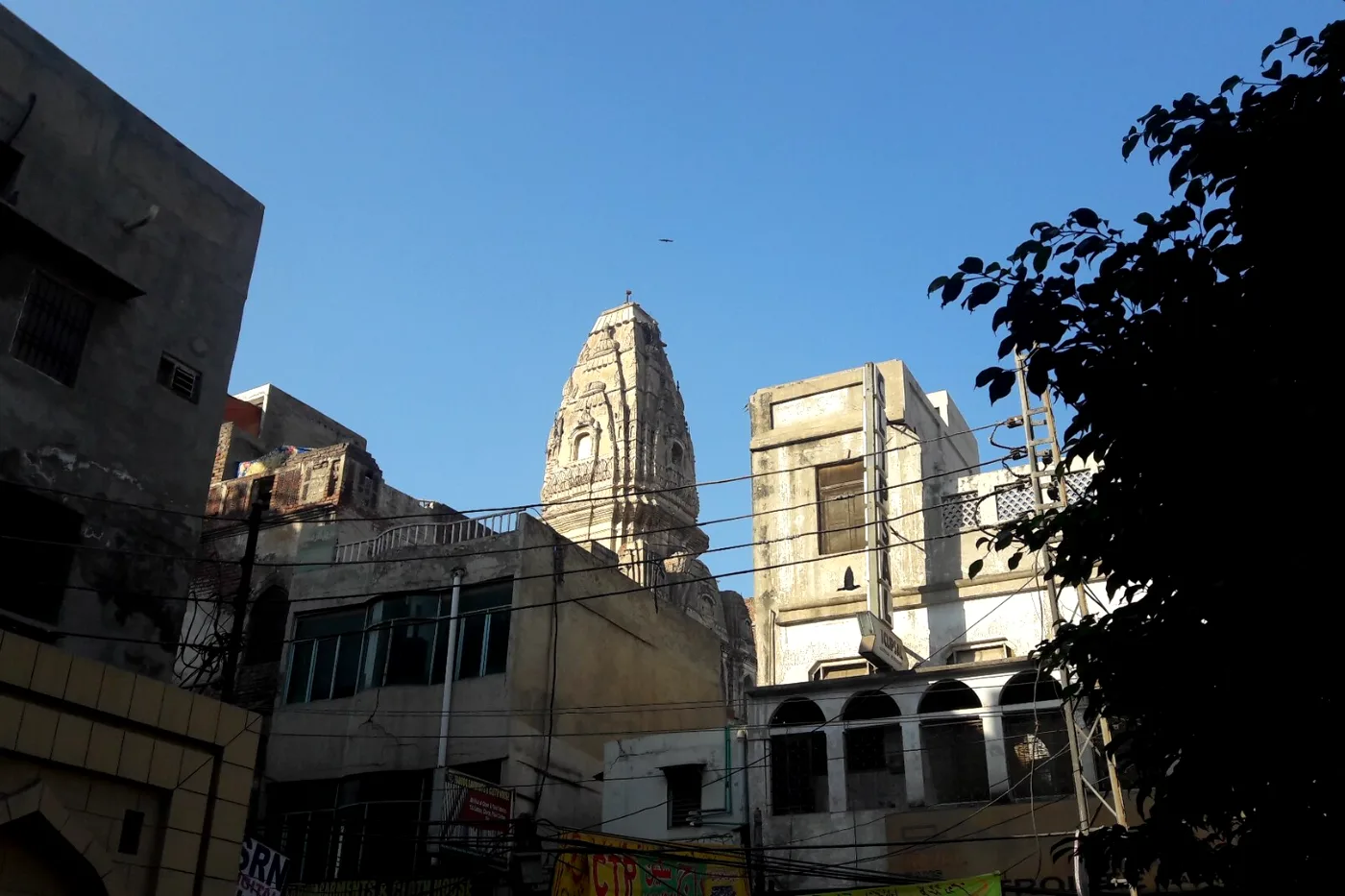
The Valmiki Mandir in Anarkali. Photo Credit: Tahir mq, CC BY-SA 4.0.
Tomb of Qutbuddin Aibak
In a quiet corner of the bazaar lies the Tomb of Qutbuddin Aibak, the first Sultan of Delhi, who died in Lahore in 1210 after a fall during a polo game. It is a peaceful stop between the busy lanes.
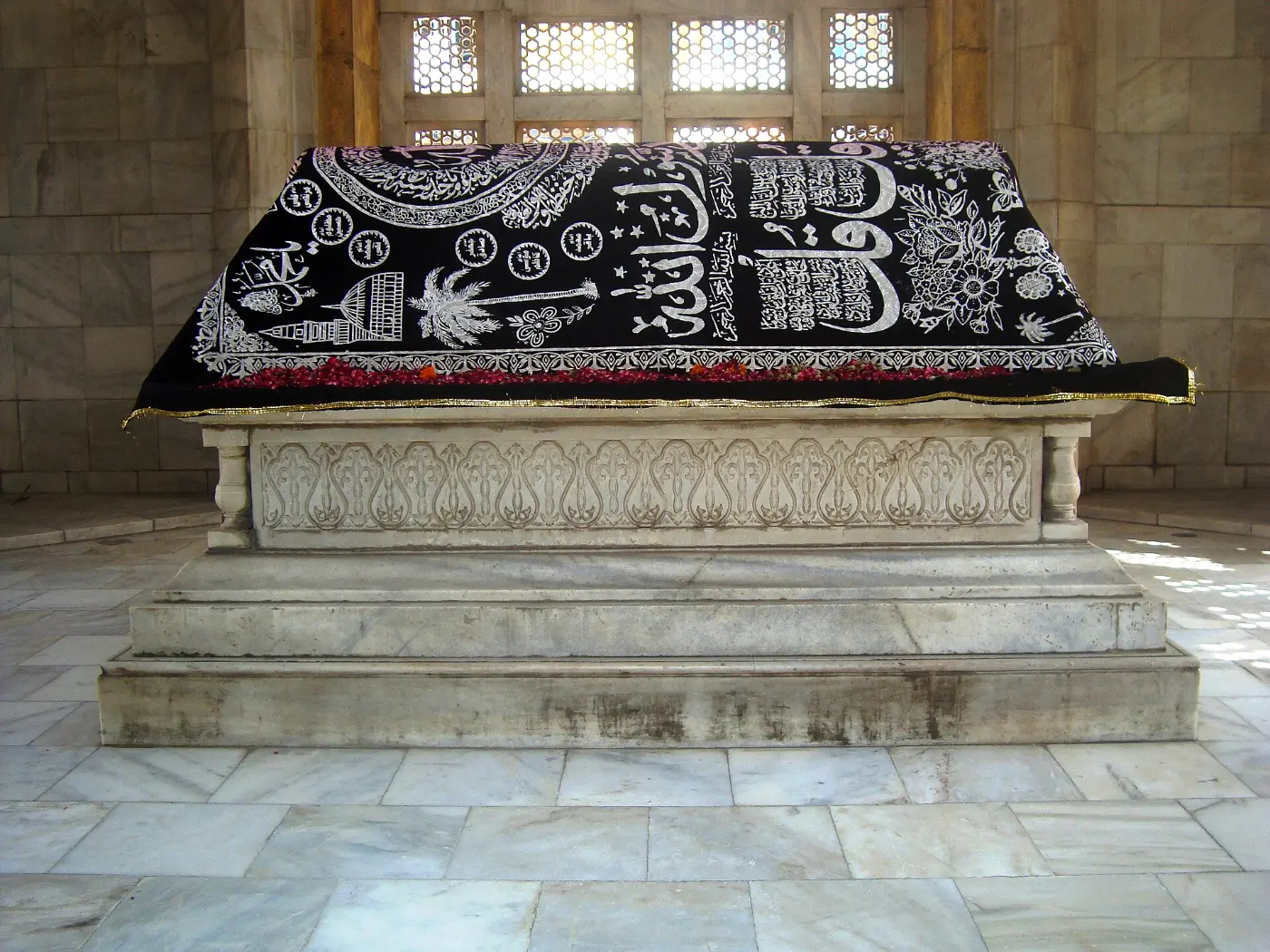
The grave of Qutbuddin Aibak. Photo Credit: Ibnazhar, CC BY-SA 3.0.
Food Nearby
Shopping in Anarkali makes you hungry, and luckily the food is never far away. Old Anarkali Food Street is famous for fried fish in winter, chicken karahi, nihari and paye. Around the bazaar you will also find samosa and pakora stalls, fresh juice and lassi shops, and sweet shops selling jalebi and barfi.
For a dinner with a view, take a short rickshaw ride to Fort Road Food Street, where rooftops face the Badshahi Masjid.
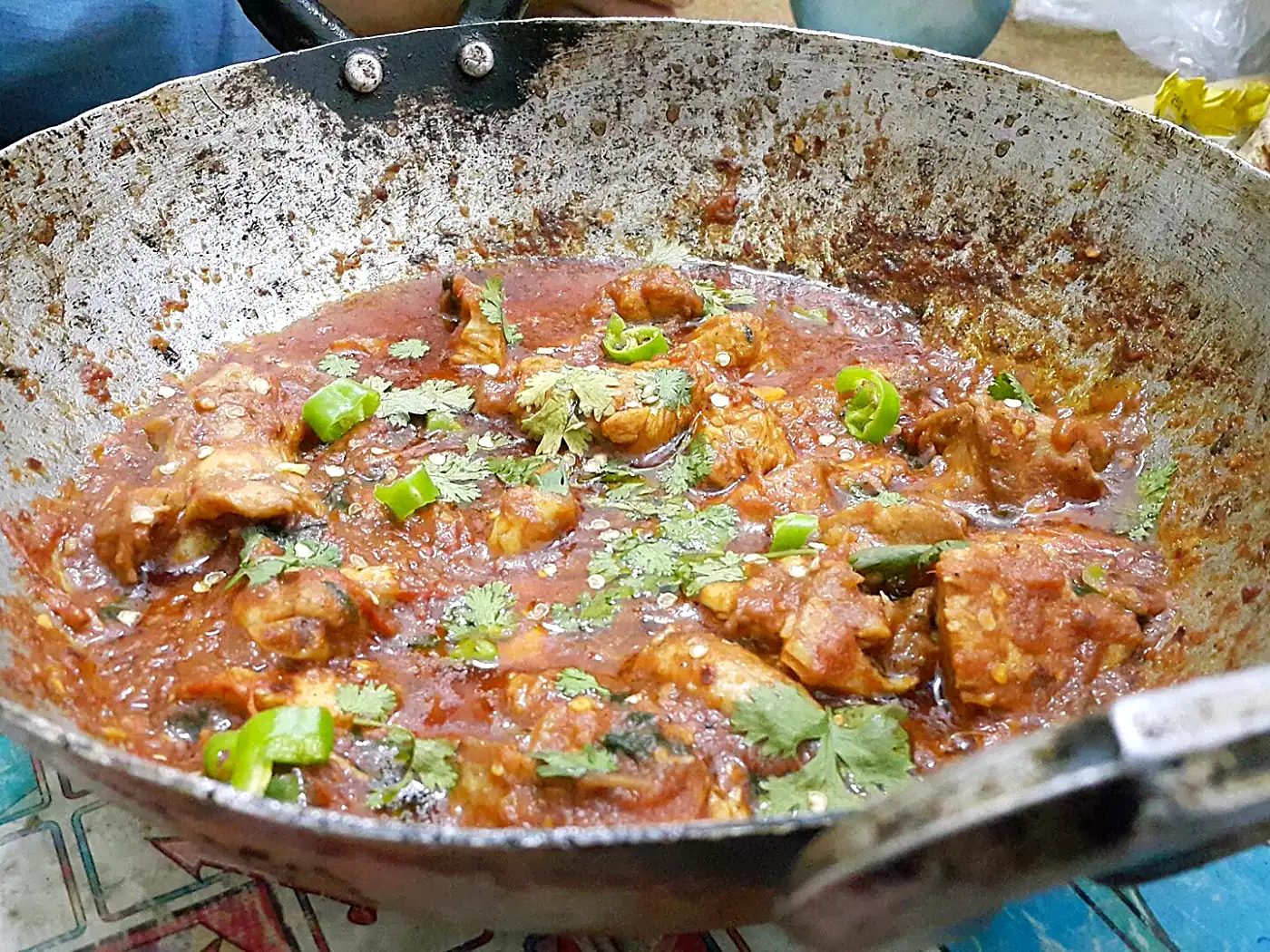
Chicken karahi, served in its pan. Photo Credit: Kskhh, CC BY-SA 4.0.
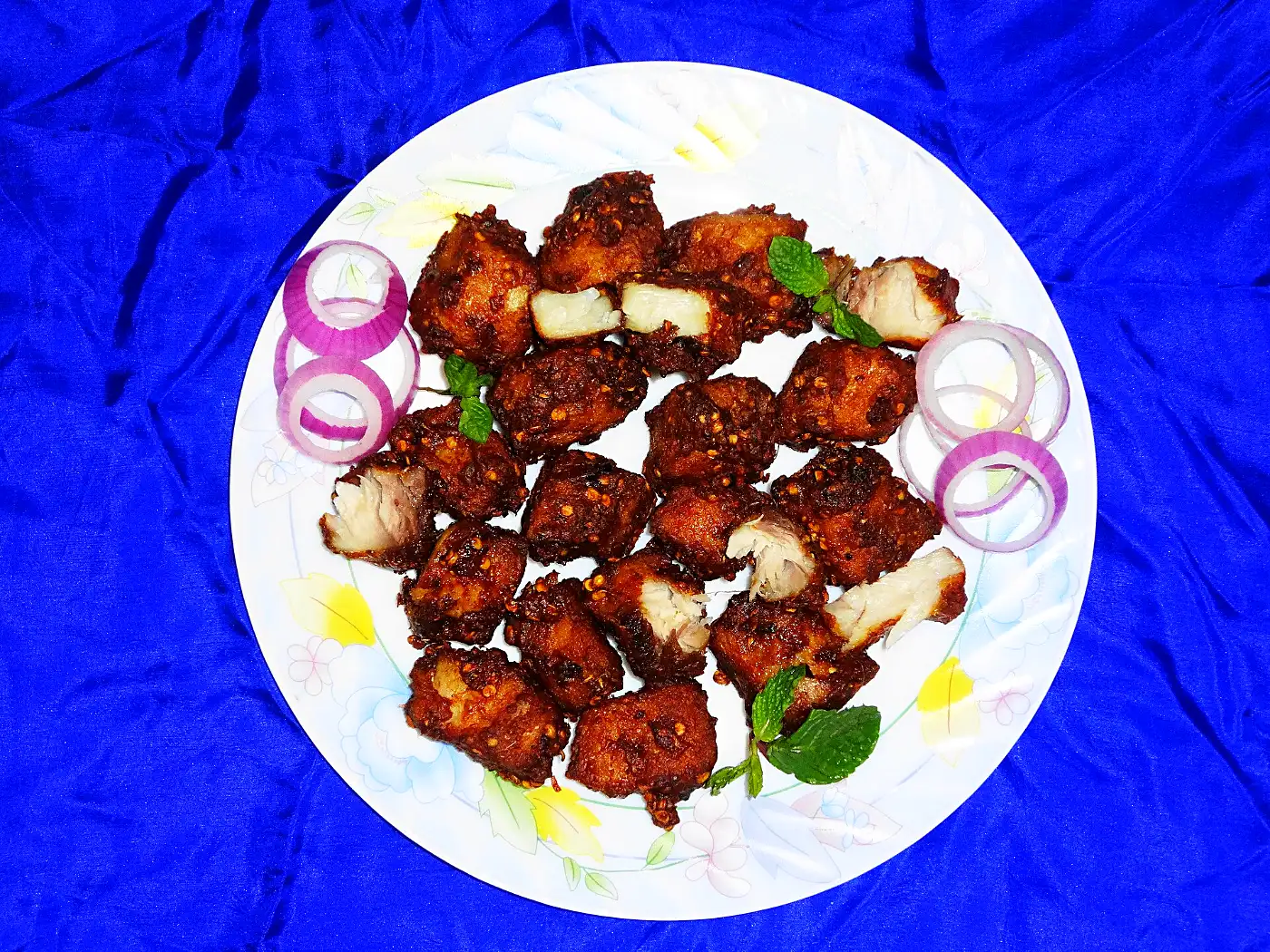
Crispy Lahori fish fry, a winter favourite. Photo Credit: Miansari66.
Things to Do
- Bargain politely: Prices in smaller shops are flexible. Start at about half to two-thirds of the first price and settle with a smile.
- Go with a list: The lanes are long and similar. Decide what you need, and ask shopkeepers to point you to the right gali.
- Shop for wedding wear: Bano Bazaar is famous for bangles, dupattas and jewellery at good prices.
- Look for old books: Second-hand and old bookshops near the Mall Road end are worth a browse.
- Visit two tombs on the way: Stop at the Tomb of Qutbuddin Aibak inside the bazaar and see the Tomb of Anarkali nearby.
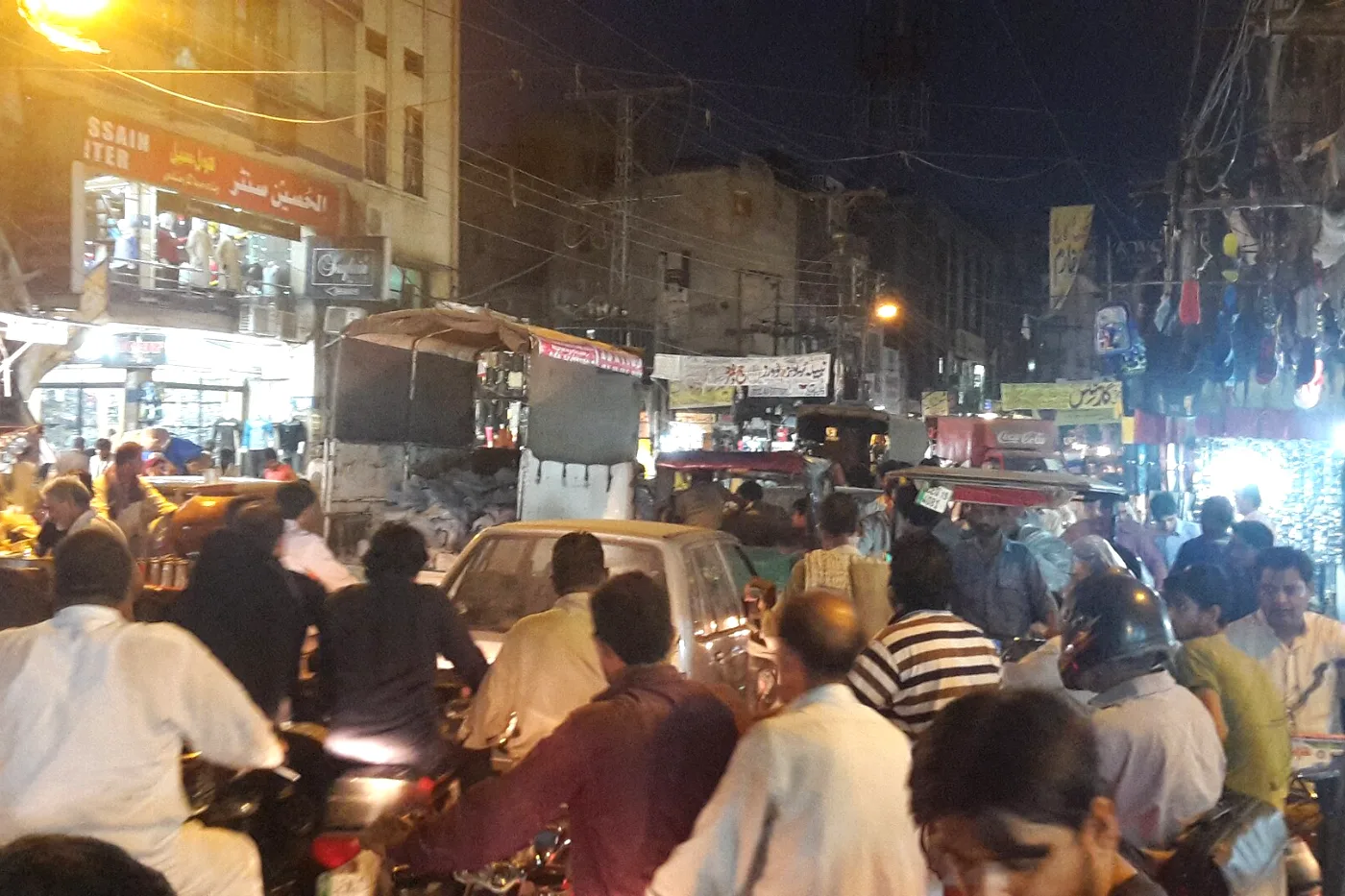
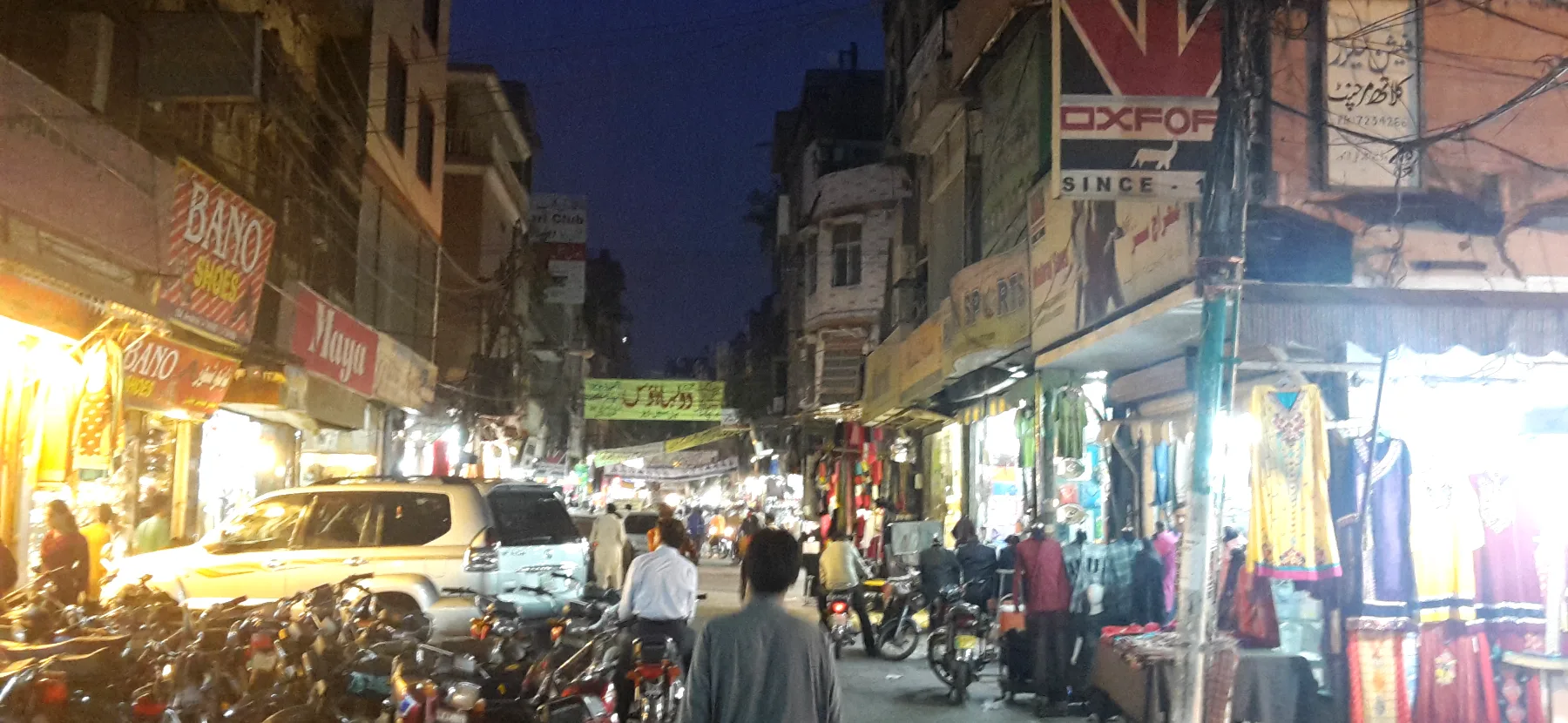
The bazaar at its busiest in the evening. Photo Credit: Ali lahoti, CC BY-SA 4.0.
Visitor Information
- Location: Between Mall Road, Lower Mall and the Walled City, near the Lahore Museum and Government College University
- Timings: Most shops open around 11 am and close around 9 pm. Some close on Sundays or for Friday prayers; check before you go
- Entry: Free
- Time needed: 2 to 3 hours, longer if you are shopping seriously
- Best time: Weekday mornings are calmer; evenings and the days before Eid are packed
- Safety: Crowds are heavy, so keep your phone and wallet in a front pocket or zipped bag
- Families and women: Safe and very popular with women shoppers; go in daylight if you are new to Lahore
- Restoration work: Some lanes may be dug up or closed while conservation work goes on in 2026
- Accessibility: Narrow, uneven lanes with motorbikes; hard for wheelchairs and prams
Last checked: November 2026. Timings and prices can change, especially in Ramadan and on public holidays.
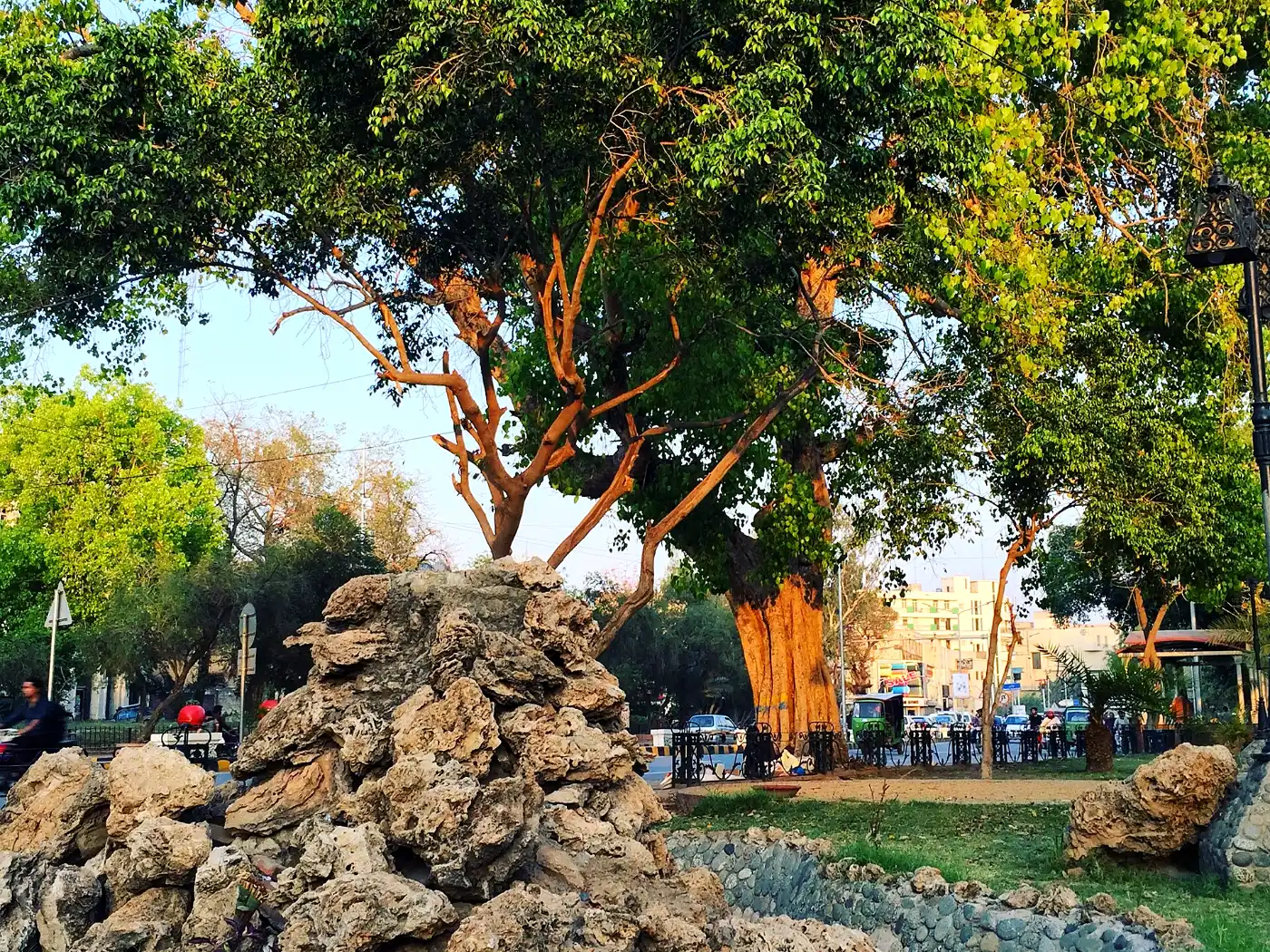
The Anarkali stop on Mall Road. Photo Credit: Umer Ghani, CC BY-SA 4.0.
How to Get There
Ask Careem, inDrive or a rickshaw for Anarkali Bazaar or Neela Gumbad. Parking is hard to find, so ride-hailing is easier than driving. The Orange Line’s Anarkali station is a short walk from the bazaar, and the Metro Bus also stops nearby on Lower Mall.
Places to Visit Nearby
- Tomb of Anarkali: The tomb behind the bazaar’s name. See our Tomb of Anarkali guide.
- Lahore Museum: Pakistan’s great museum on Mall Road. Read the Lahore Museum guide.
- Tollinton Market: The 1864 exhibition hall on the Mall, opposite the Lahore Museum. Read the Tollinton Market guide.
- Mall Road: The British-era avenue right beside the bazaar. See the Mall Road guide.
- Data Darbar: The great Sufi shrine near Bhati Gate. Read about Data Darbar.
- Tomb of Qutbuddin Aibak: Inside the bazaar. See the Qutbuddin Aibak Tomb guide.
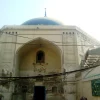
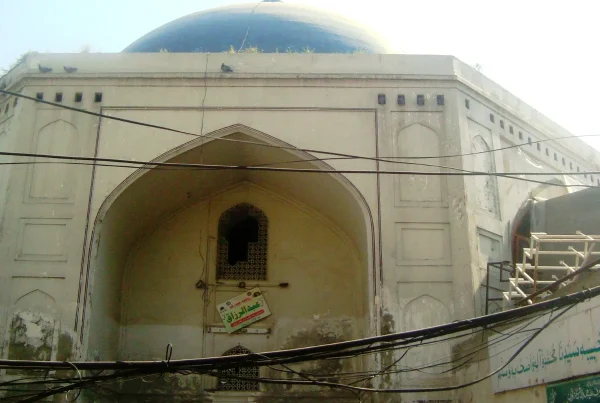
- Neela Gumbad: the blue-domed Mughal shrine of Sheikh Abdul Razzaq Makki, at the end of the bazaar. See our Neela Gumbad guide.
- Lohari Gate: One of the oldest gates of the Walled City, with Lohari Mandi behind it. Read the Lohari Gate guide.
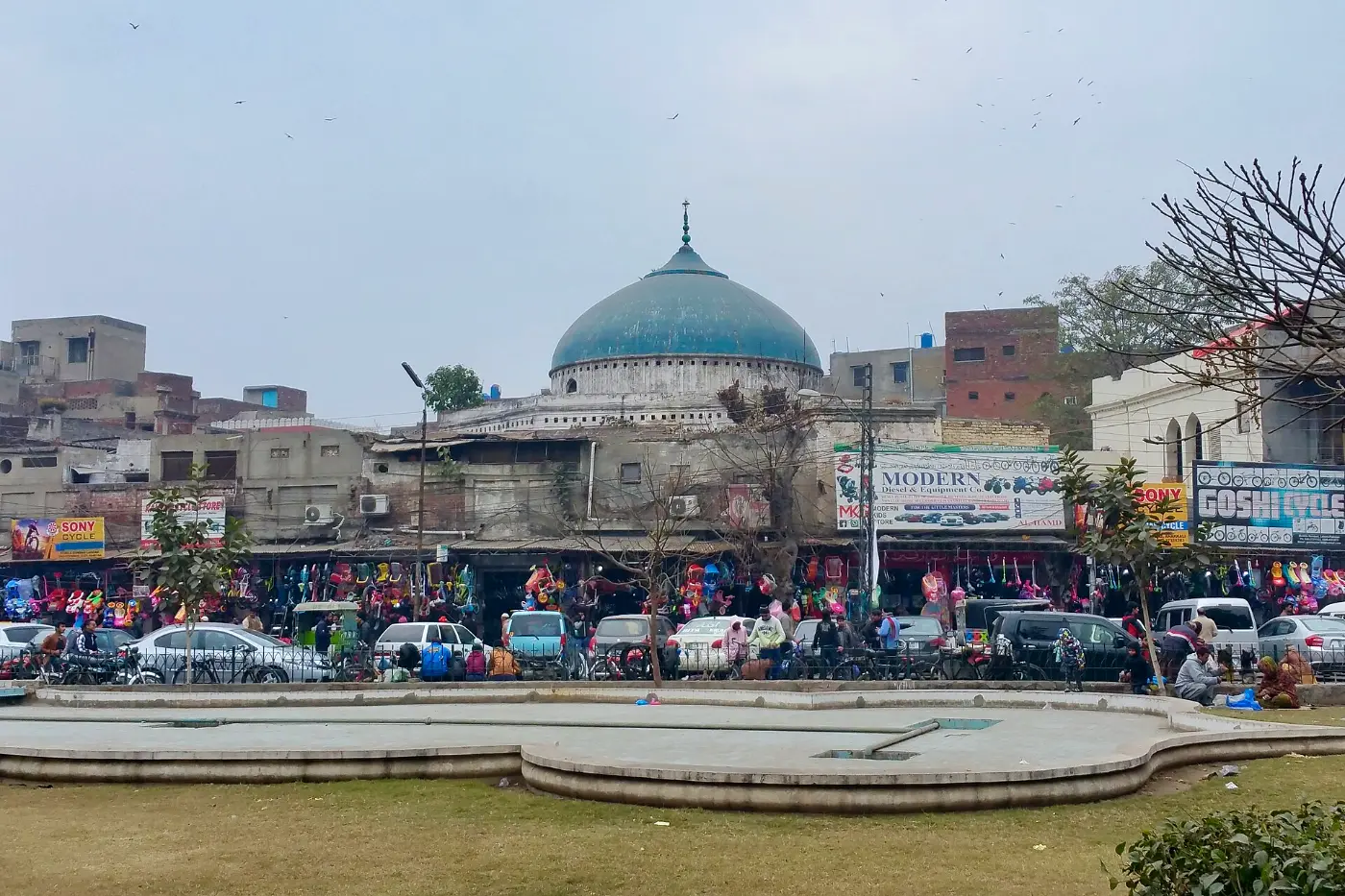
Neela Gumbad, at the Mall Road end of the bazaar. Photo Credit: Aqamjad, CC BY-SA 4.0.
Frequently Asked Questions
Where is Anarkali Bazaar?
It is in central Lahore, between Mall Road and the Walled City, close to the Lahore Museum.
What are the Anarkali Bazaar timings?
Most shops open around 11 am and close around 9 pm. Timings change in Ramadan, so check before you go.
What is Anarkali Bazaar famous for?
Clothes, bangles, jewellery, khussas, fabric and old books, plus the food of Old Anarkali.
Is Anarkali Bazaar safe?
Yes, it is busy and safe in daytime, but the crowds attract pickpockets, so keep valuables secure.
What is the difference between Old and New Anarkali?
Old Anarkali, near the Mall Road end, is known for food and older buildings. New Anarkali holds shopping lanes such as Bano Bazaar and Paan Gali.
Conclusion
Anarkali Bazaar is not a monument you look at; it is a place you dive into. So bring comfortable shoes, a shopping list and some patience for bargaining. Between the bangle stalls, the old facades and a plate of hot fish, you will see the busy, generous side of Lahore that keeps people coming back.
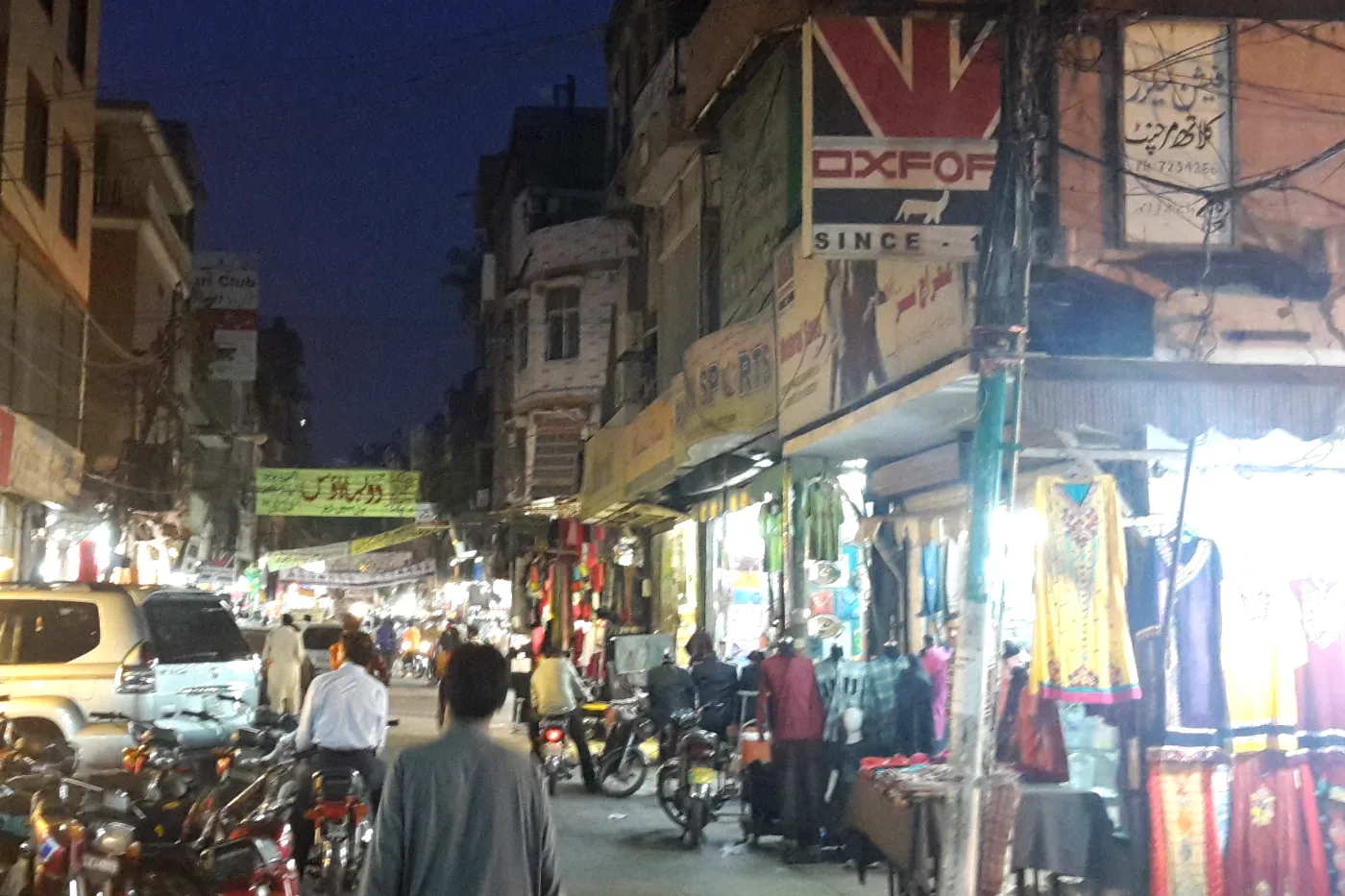
Clothes shops in the bazaar. Photo Credit: Ali lahoti, CC BY-SA 4.0.
Cover photo: Ali lahoti, CC BY-SA 4.0.