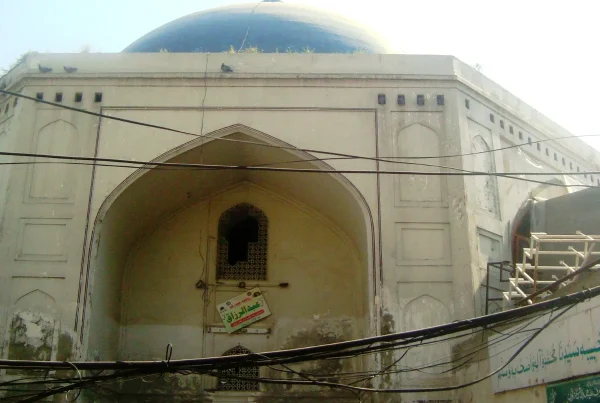
Rang Mahal is one of the best-known names in the Walled City of Lahore. Today it is a crowded old neighbourhood and wholesale bazaar on Shah Alam Road. However, the name, meaning Palace of Colours, comes from a grand Mughal mansion that once stood here.
A walk through Rang Mahal mixes three stories in one: a Mughal minister’s palace, one of the first English-medium schools in the region, and the tomb of Malik Ayaz, who rebuilt Lahore a thousand years ago.
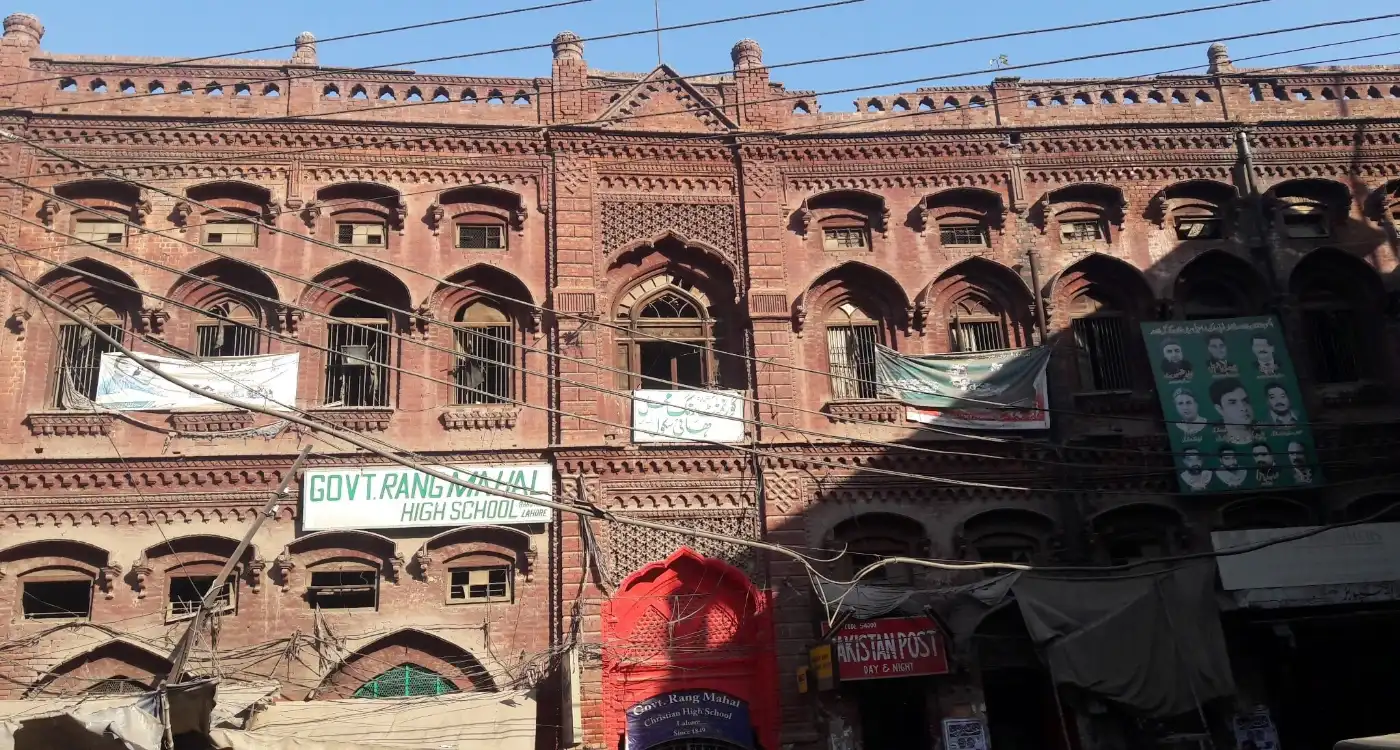
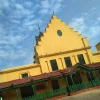
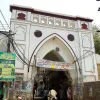
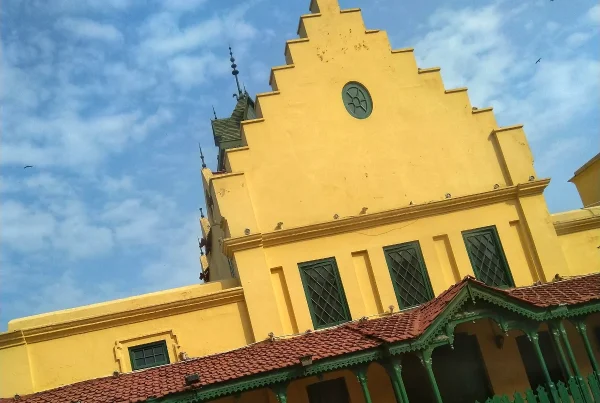
Government Rang Mahal High School on Shah Alam Road. Photo Credit: Tahir mq, CC BY-SA 4.0.
Quick facts
- Location: Walled City, on Shah Alam Road between Shah Alami and Kashmiri Bazaar
- Timings: Shops open roughly 10 am to 8 pm; some close on Sundays (check before you go)
- Ticket: Free to walk around
- Time needed: 1 to 2 hours
- Best time: Weekday mornings, October to March
- Map: Open in Google Maps
Last checked: November 2026. Full details in Visitor Information.
History of Rang Mahal
Saadullah Khan’s Palace
When Emperor Akbar expanded Lahore, new land opened up in this part of the city. Here, Nawab Saadullah Khan of Chiniot, Shah Jahan’s grand wazir and governor of Lahore from 1640 to 1656, built his haveli, the Rang Mahal. Nearby, his son Mian Khan later completed the huge Haveli Mian Khan.
Over the centuries most of the palace was lost, and the area filled with houses and shops. Still, the name Rang Mahal stayed.
A Pioneering School
On 19 December 1849, the American missionaries Charles William Forman and John Newton started the Lahore Mission School, reportedly under a tree with just three students. In 1852 it moved into the old Rang Mahal building and became the Rang Mahal Mission School, one of the first English-medium schools in northern India. The government nationalised it in 1972, and today it is Government Rang Mahal High School.
The Birthplace of FC College
In 1864, Forman also started a college class here. That college grew into Forman Christian College, which later moved to its own campus and is today one of Pakistan’s best-known universities.
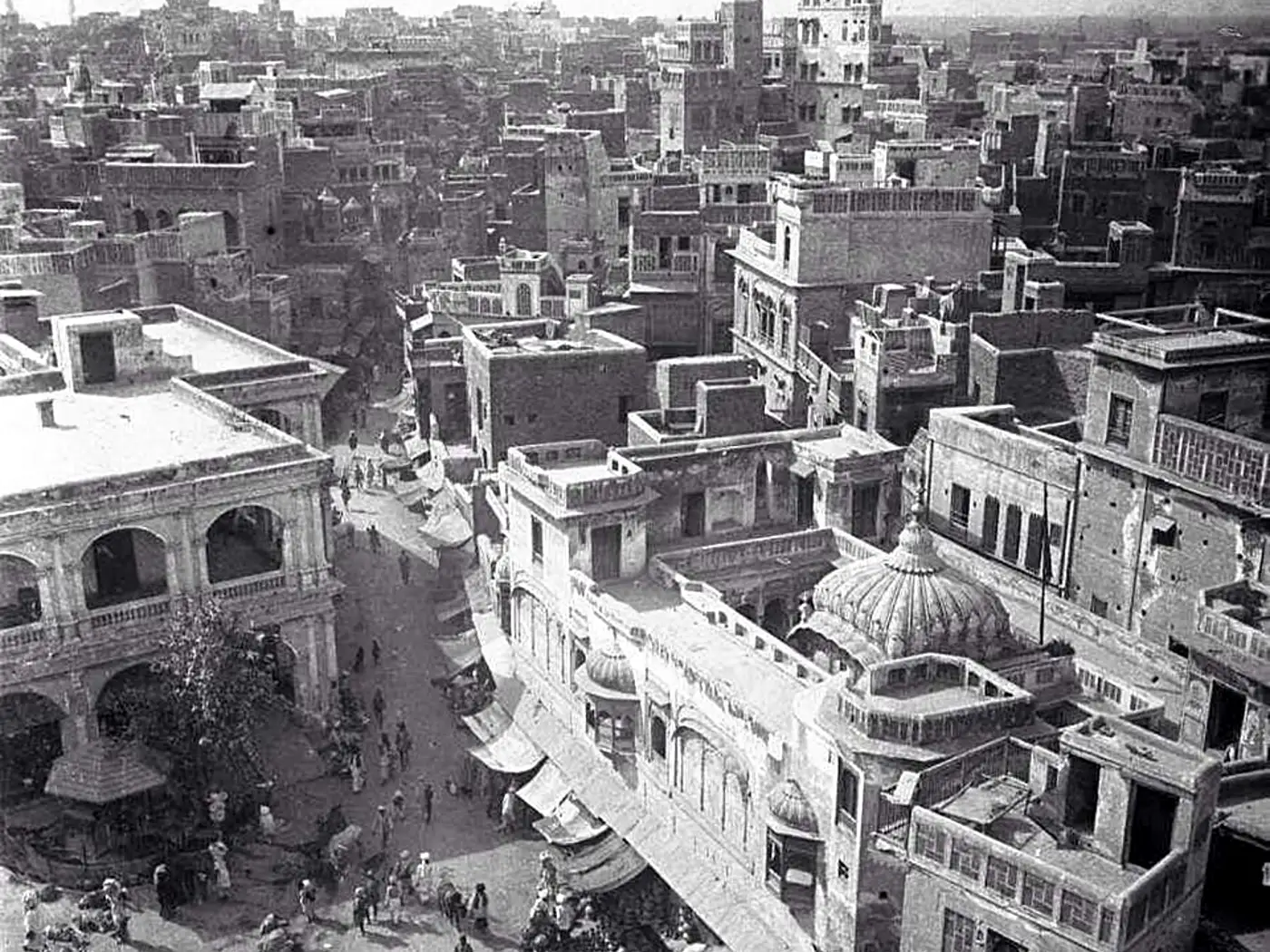
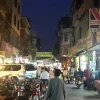
An old photograph of the crowded neighbourhood near Rang Mahal. Photo Credit: Unknown photographer.
What to See in Rang Mahal
Rang Mahal School Building
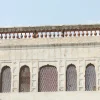
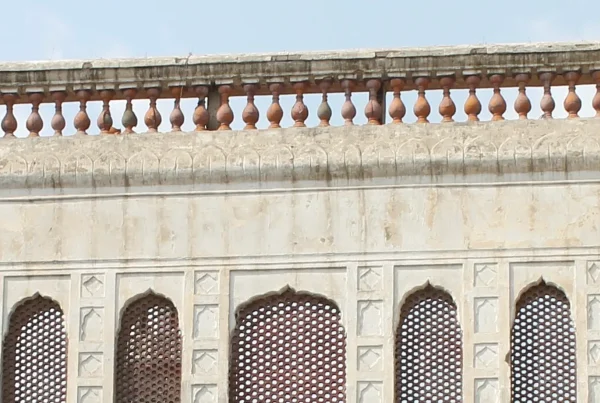
The red-brick school front on Shah Alam Road, with its rows of arched windows, is the landmark of the area. It is a working school, so admire it from the street unless you have permission to go in.

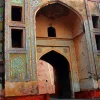
Inside the old Rang Mahal school. Photo Credit: Ali Usman Baig.

Tomb of Malik Ayaz
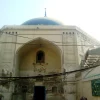
Hidden in the lanes of Rang Mahal is the small green-and-white tomb of Malik Ayaz. In 1021 Sultan Mahmud of Ghazni made Ayaz, his trusted companion, governor of Lahore. He rebuilt and repopulated the city after war had left it in ruins, so many call him the founder of Lahore as it grew afterwards. The tomb was damaged in the Sikh period and rebuilt after 1947.
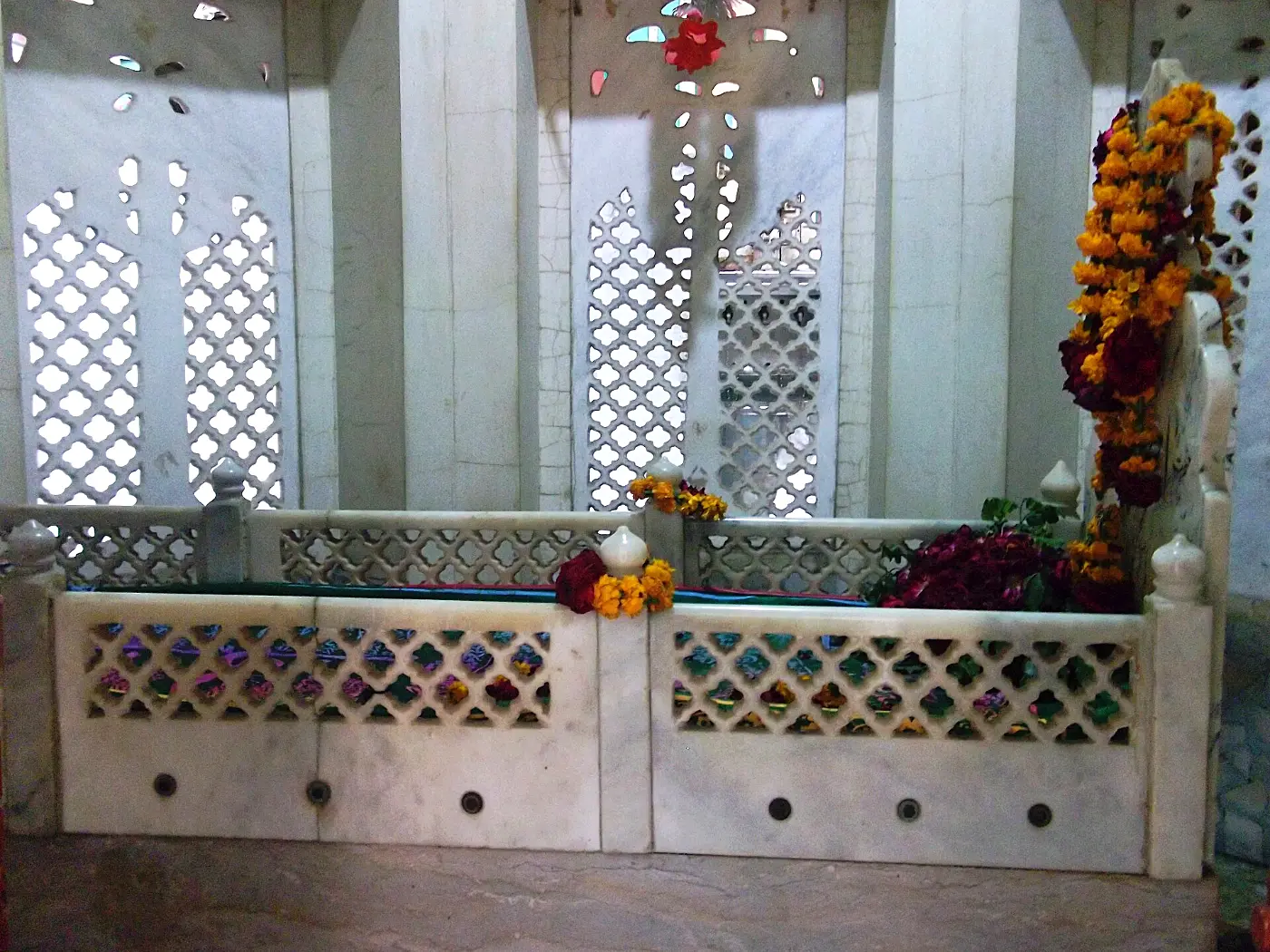
The grave of Malik Ayaz. Photo Credit: Muhammad Umair Mirza, CC BY-SA 4.0.
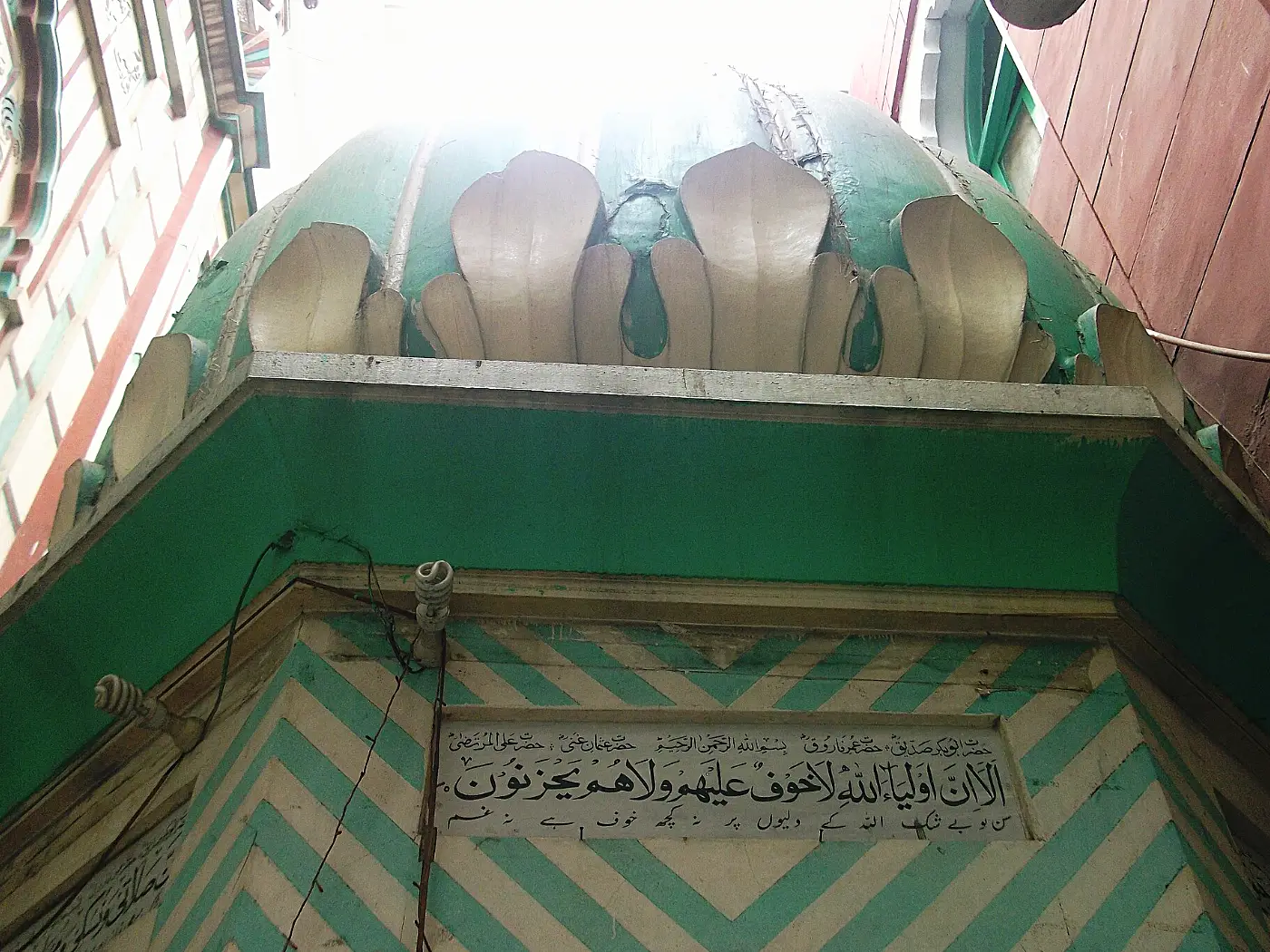
The dome of the tomb. Photo Credit: Muhammad Umair Mirza, CC BY-SA 4.0.
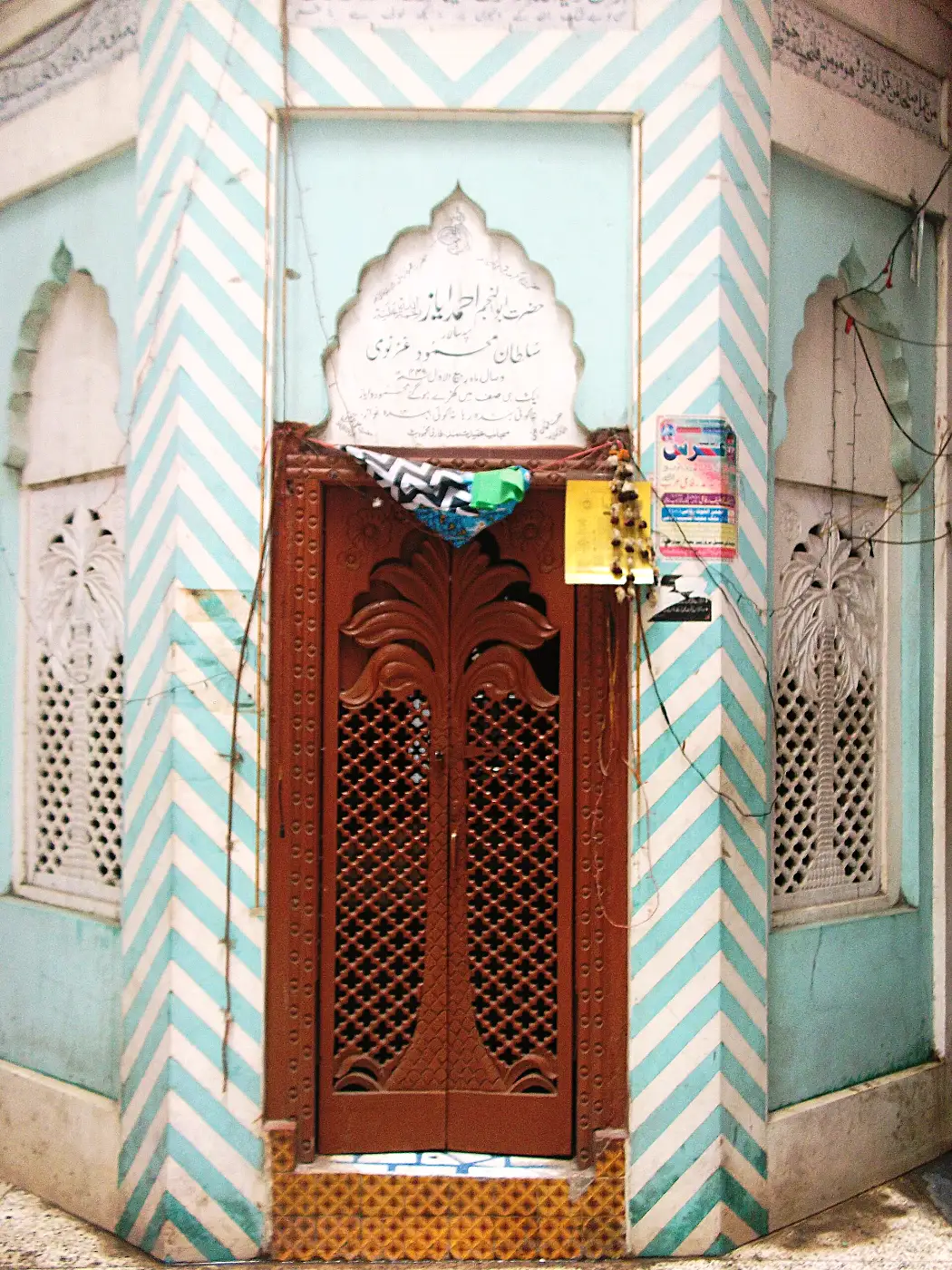
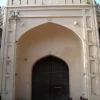
The carved wooden door of the tomb. Photo Credit: Muhammad Umair Mirza, CC BY-SA 4.0.
Things to Do
- Walk the bazaar: Rang Mahal and nearby Shah Alami are wholesale markets for cloth, plastics, jewellery and household goods; wander and watch the trade.
- Visit Malik Ayaz: Ask locals for Malik Ayaz ka Mazar; it is a short walk into the lanes.
- See the Golden Mosque: Walk to Kashmiri Bazaar for the Sunehri Masjid and its gilded domes.
- Eat like a local: Try lassi, halwa puri in the morning, or chana chaat from the street stalls.
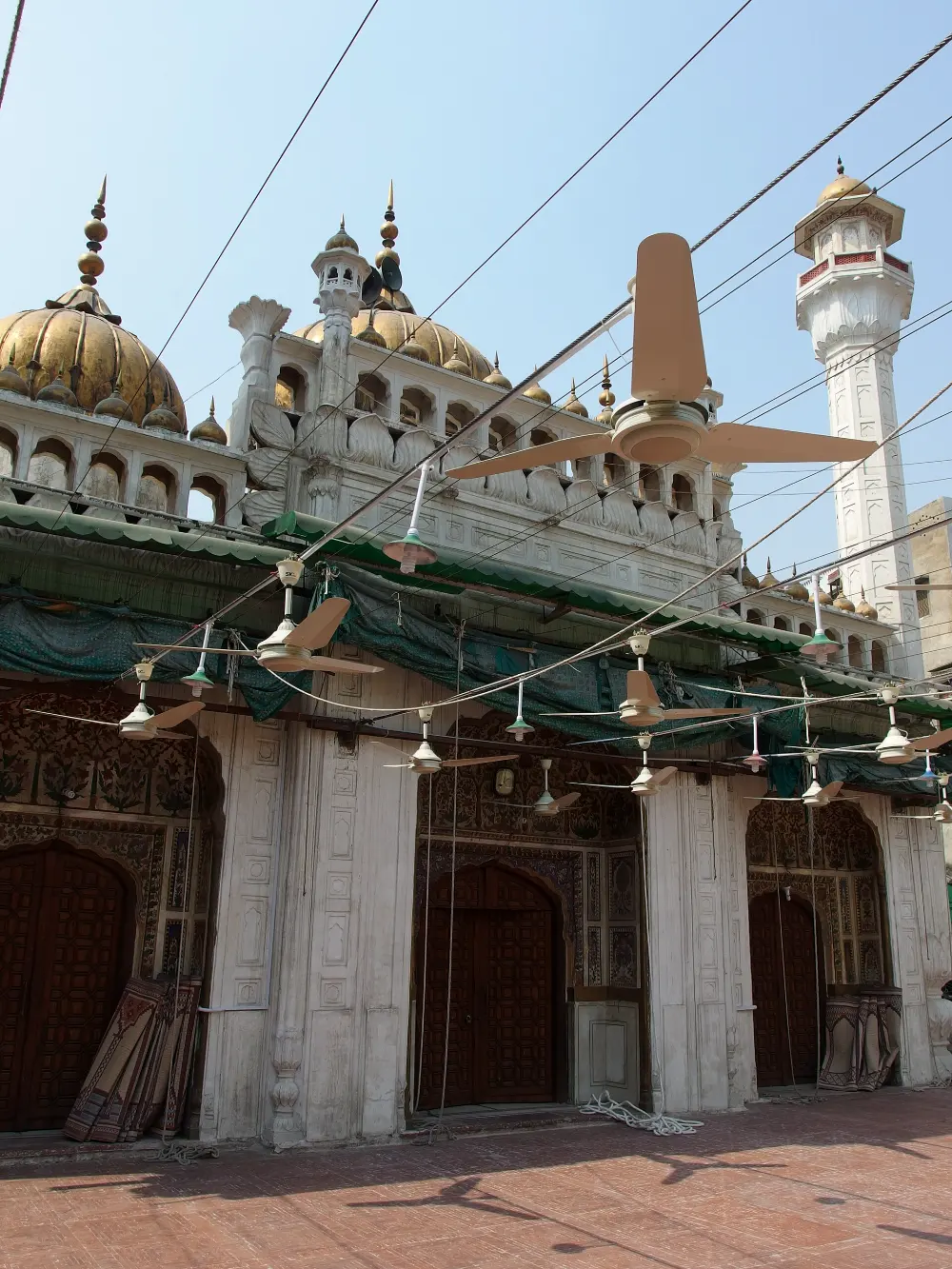
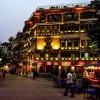
The Sunehri Masjid in nearby Kashmiri Bazaar. Photo Credit: Guilhem Vellut, CC BY 2.0.
Visitor Information
- Location: Shah Alam Road, inside the Walled City of Lahore
- Timings: Shops open roughly 10 am to 8 pm; some close on Sundays, and Friday afternoons are quieter
- Ticket: Free
- Time needed: 1 to 2 hours with Malik Ayaz and the Sunehri Masjid
- Best time: Weekday mornings, October to March
- Safety: Very crowded lanes; keep your phone and wallet secure
- Families and women: Busy but safe in daytime; wear comfortable shoes
- Photography: Ask before photographing shopkeepers or students
- Accessibility: Narrow, uneven lanes with motorbikes; hard for wheelchairs
Last checked: November 2026. Timings and prices can change, especially in Ramadan and on public holidays.
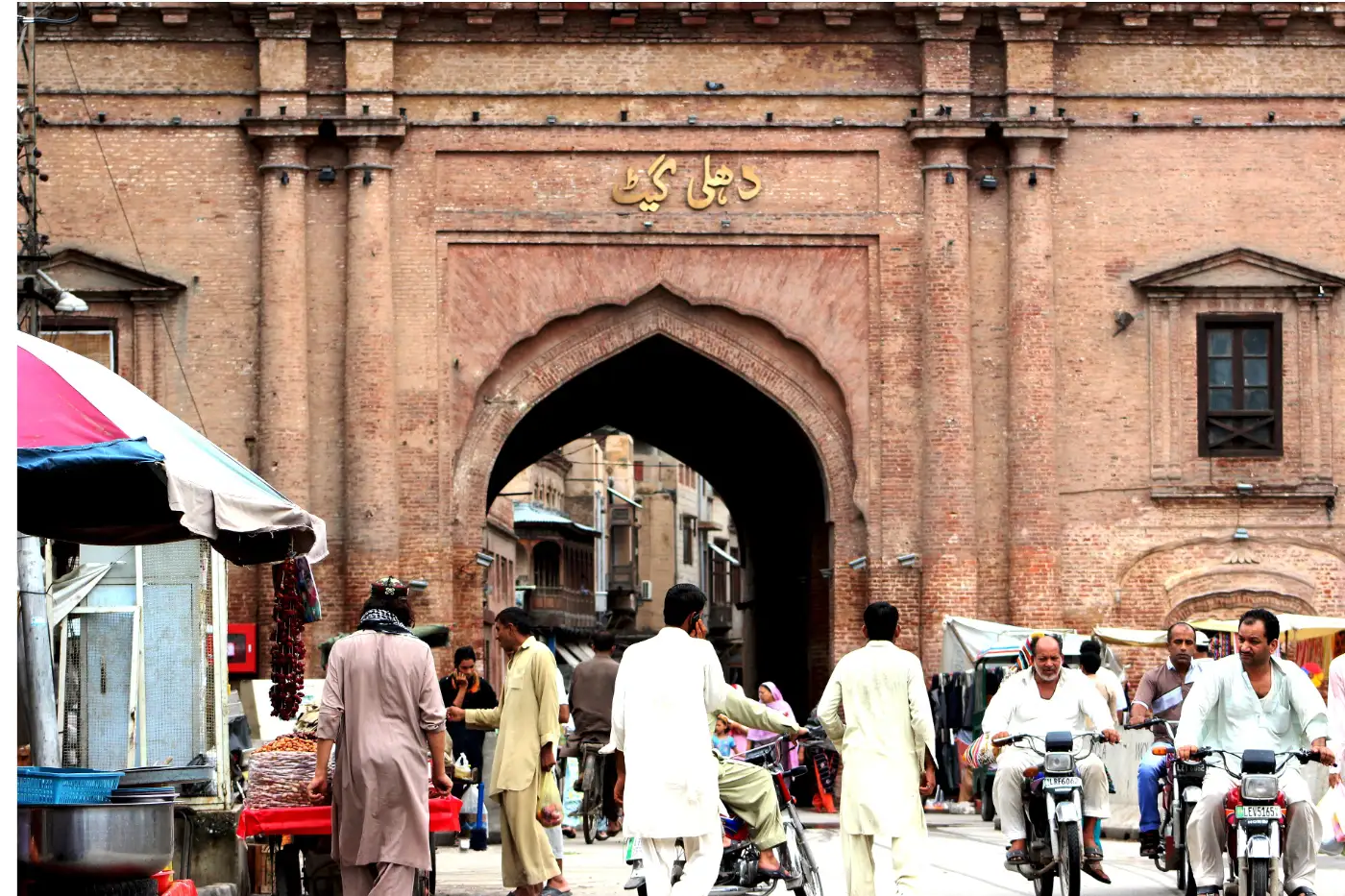
Delhi Gate, one of the entrances to the Walled City. Photo Credit: Asaad Ghafoor, CC BY-SA 4.0.
How to Get There
Take a rickshaw or Careem to Shah Alami Chowk or Rang Mahal Chowk on Shah Alam Road. Cars struggle in the lanes, so walking is best once you arrive. You can also walk in from Delhi Gate through the bazaars in about 15 minutes.
Places to Visit Nearby
- Sunehri Masjid: The gilded mosque in Kashmiri Bazaar. See our Sunehri Masjid guide.
- Masjid Wazir Khan: The tile-covered Mughal mosque near Delhi Gate. Read the Masjid Wazir Khan guide.
- Delhi Gate: The grand entrance to the old city. See the Delhi Gate guide.
- Shahi Hammam: The Mughal bathhouse inside Delhi Gate. Read about the Shahi Hammam.
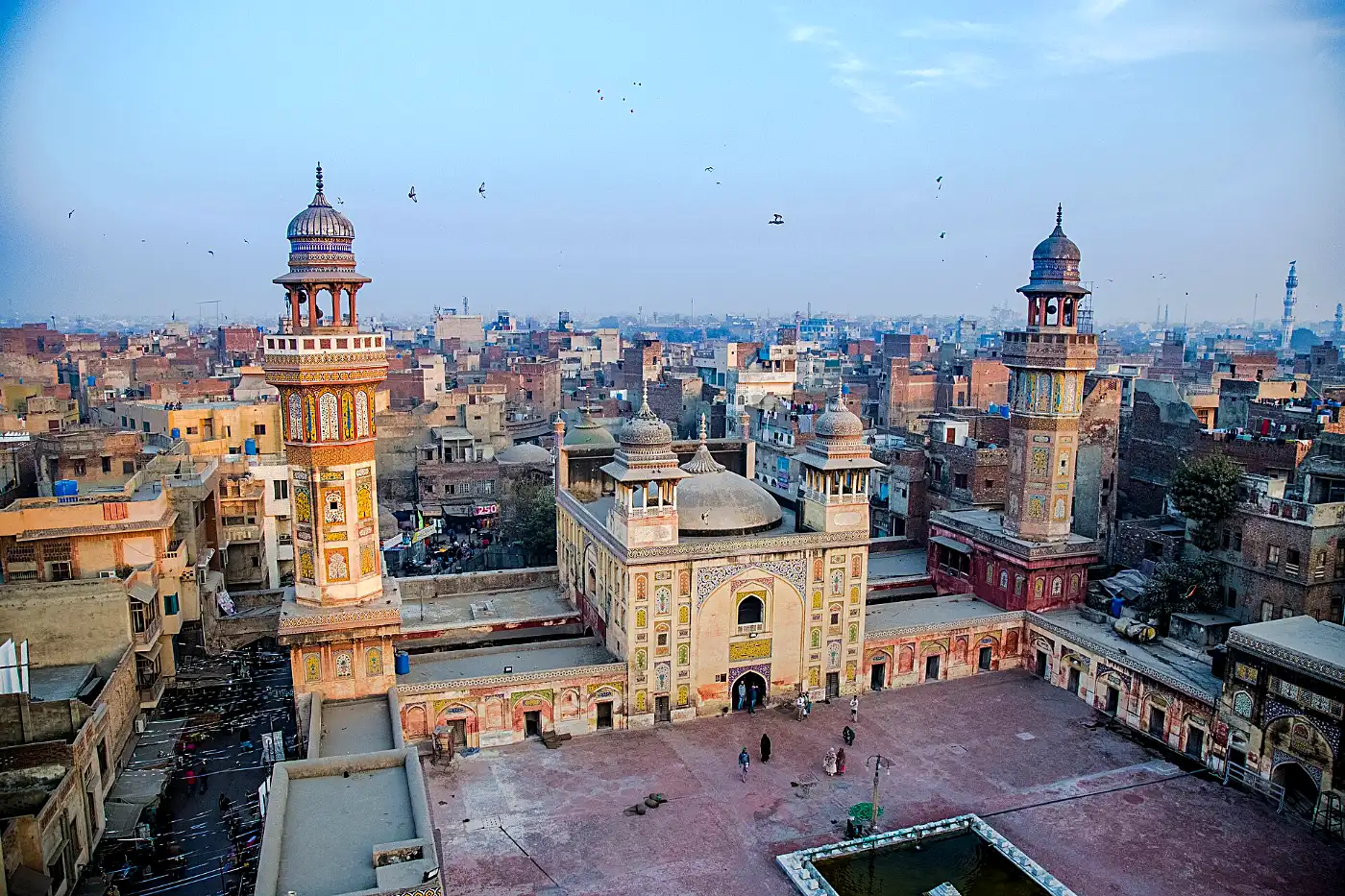
Masjid Wazir Khan above the old city. Photo Credit: Umair Khan, CC BY 2.0.
Frequently Asked Questions
Where is Rang Mahal in Lahore?
It is in the Walled City, on Shah Alam Road between Shah Alami and Kashmiri Bazaar.
Why is it called Rang Mahal?
The name means Palace of Colours and comes from the haveli of Saadullah Khan, Shah Jahan’s grand wazir.
When was Rang Mahal School founded?
It began as the Lahore Mission School on 19 December 1849 and moved to Rang Mahal in 1852.
Is the Tomb of Malik Ayaz in Rang Mahal?
Yes. The small tomb of Malik Ayaz, the 11th-century governor of Lahore, is in the lanes of Rang Mahal.
Conclusion
Rang Mahal is not a single monument but a slice of old Lahore. In one short walk you pass a Mughal minister’s lost palace, a school that has taught for more than 170 years and the tomb of the man who rebuilt the city. So come with time to wander, and let the bazaar lead you on to the golden domes of Kashmiri Bazaar.
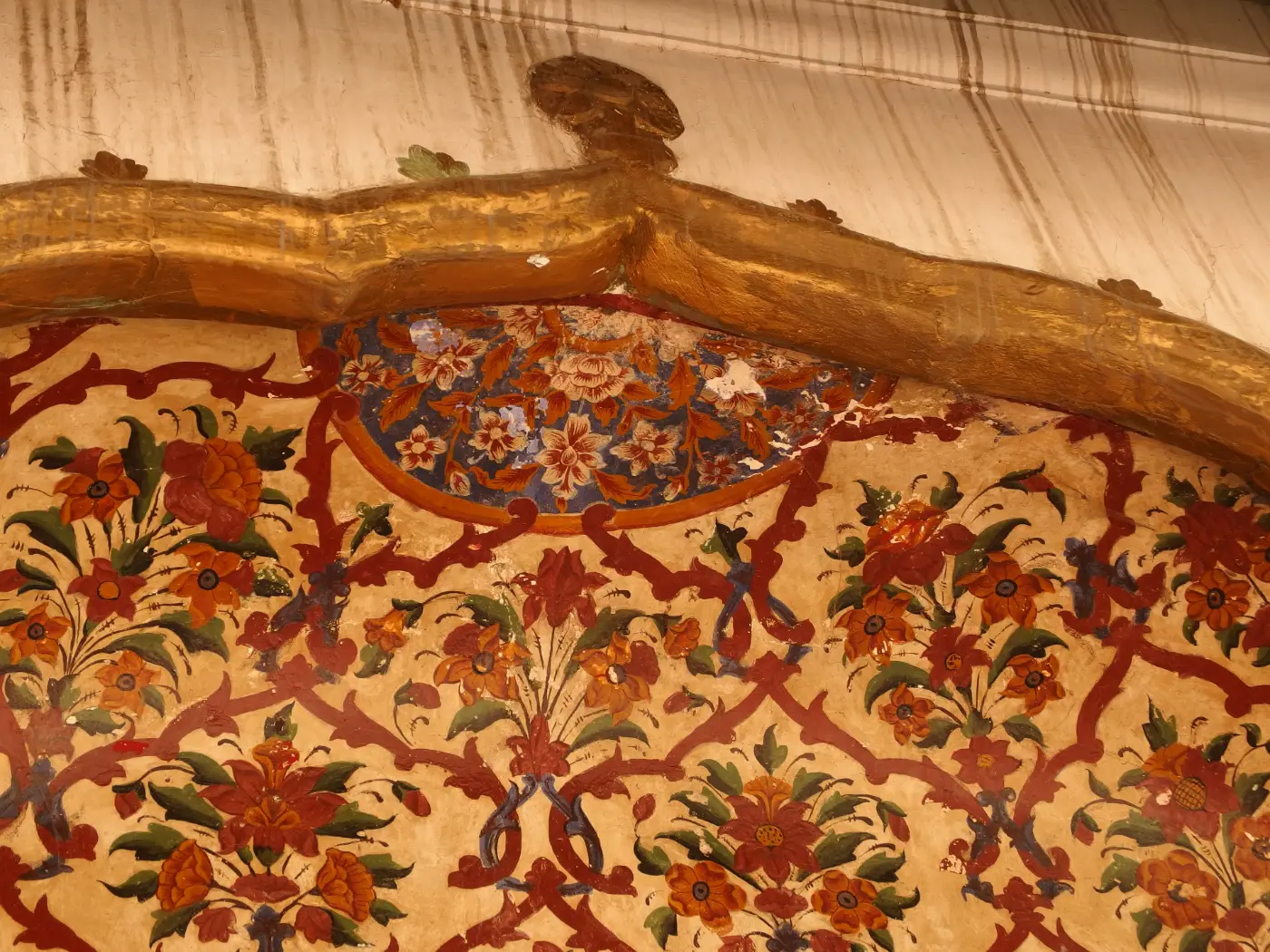
The Sunehri Masjid rising above the bazaar. Photo Credit: Guilhem Vellut, CC BY 2.0.
Cover photo: Tahir mq, CC BY-SA 4.0.